Namibia
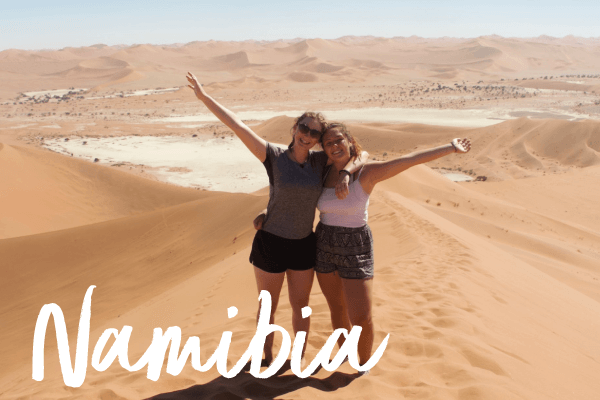
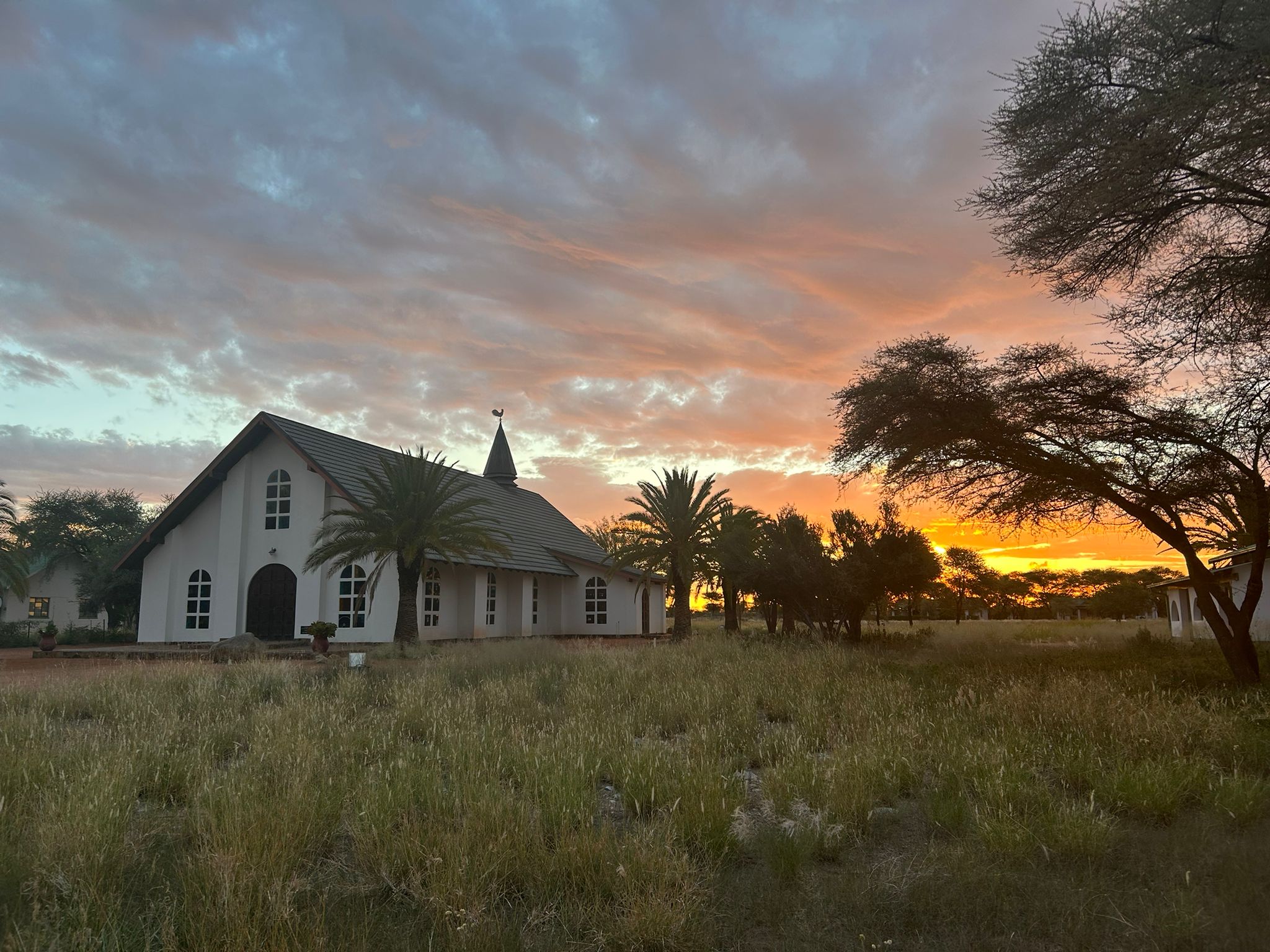
Embarking on a Gap Year journey through Namibia unveils a profound opportunity to delve into a land brimming with history and cultural richness. As the sun sets over the dunes of the Namib Desert, you cannot help but feel a deep reverence for this resilient land, a sentiment that sets the stage for a journey of self-discovery, cultural immersion, and unparalleled exploration.
The landscape ranges from the rugged, unpopulated expanses of the Skeleton Coast to the sub-tropical belt of the North. With a population of just over 2 million it is one of the most sparsely populated countries on Earth and one of the most developed countries in Africa with modern towns and excellent roads. It is also one of the few countries where game roams relatively freely and wild animals by the roadside are a common sight.
Namibian culture is diverse and there are many ethnic groups, from the historically persecuted San Bushmen, to the Hereros and Ovambos, each with their own separate traditions and languages. The majority of the white population is of German or Afrikaans descent, many of whom are farmers and who still own the bulk of the agricultural land. There are, therefore, fantastic opportunities to learn about many cultures and become immersed in different ways of life.
Placement Types
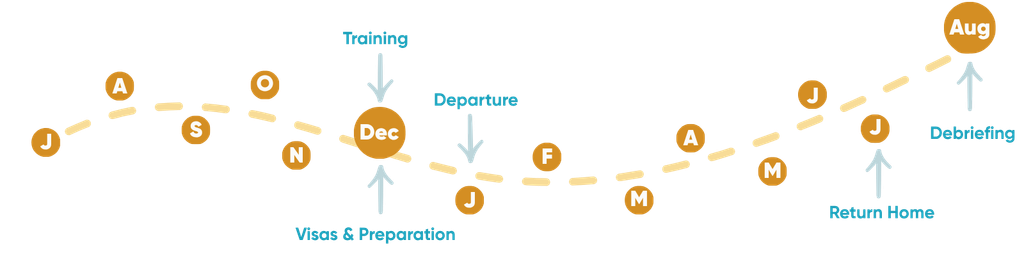
Immersive Placement
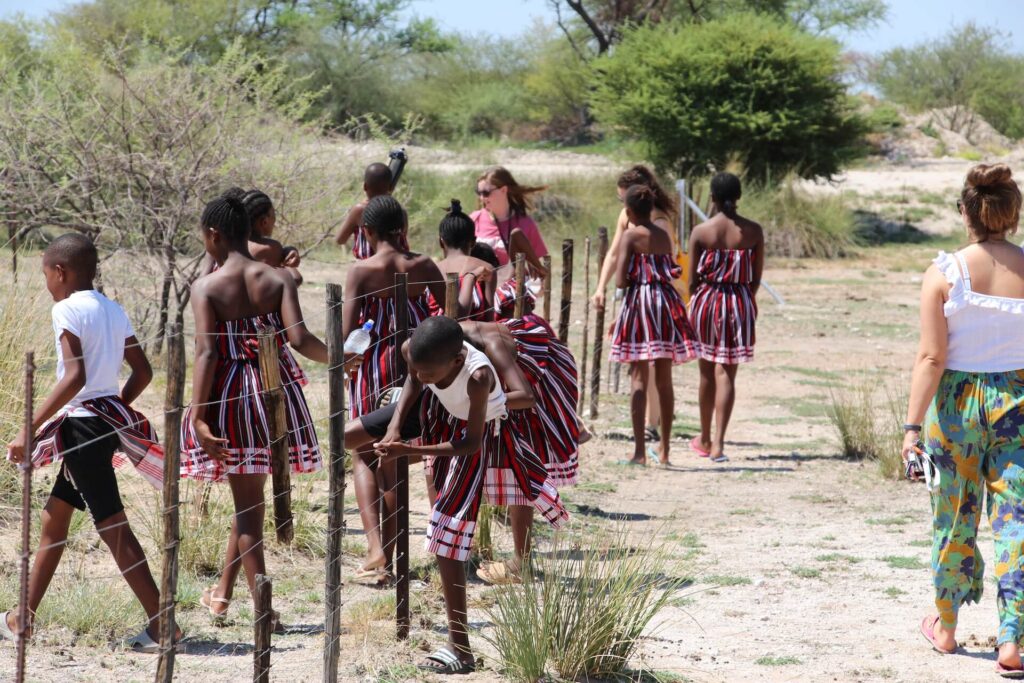
Spend 10–12 months living and volunteering in Namibia and give yourself the time to truly become part of your host community.
Living in a rural setting and becoming part of everyday school life gives you the opportunity to build strong relationships, develop your skills and confidence and experience the changing rhythms of life in Namibia.
Focused Placement
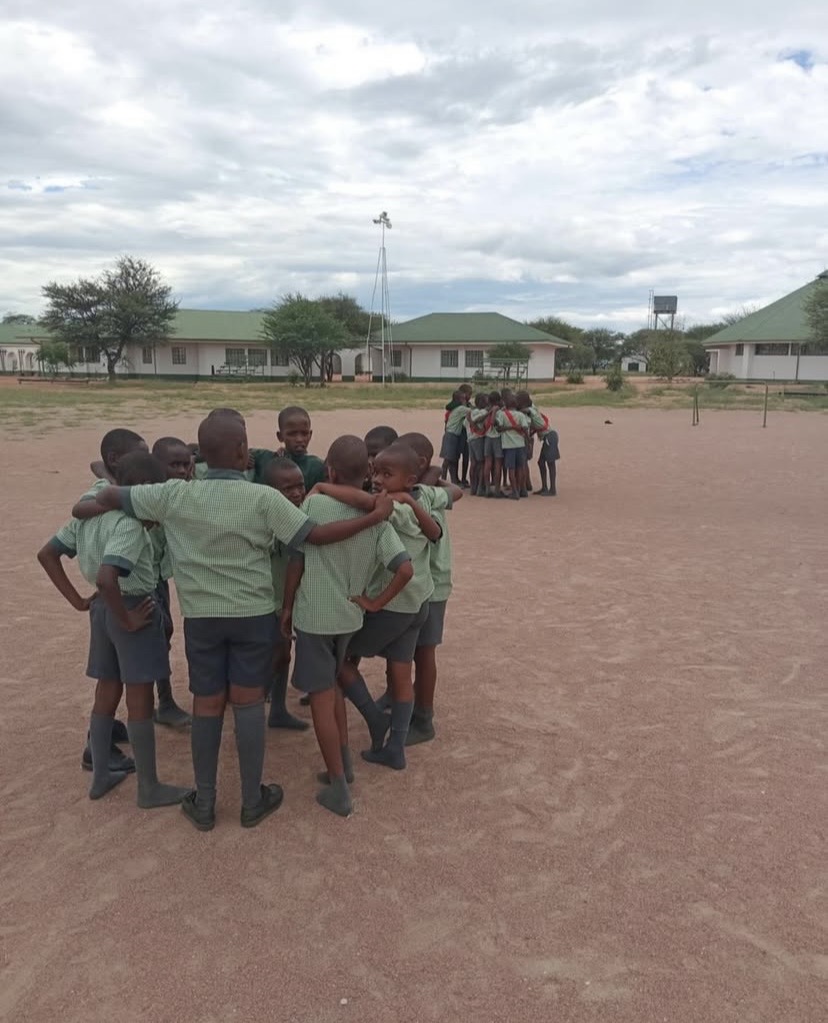
Spend 6–8 months living and volunteering in Namibia. With time to settle into your school and community, you’ll build meaningful relationships, develop new skills and experience everyday life in a completely different culture.
What can you do?
Primary & Nursery Teaching
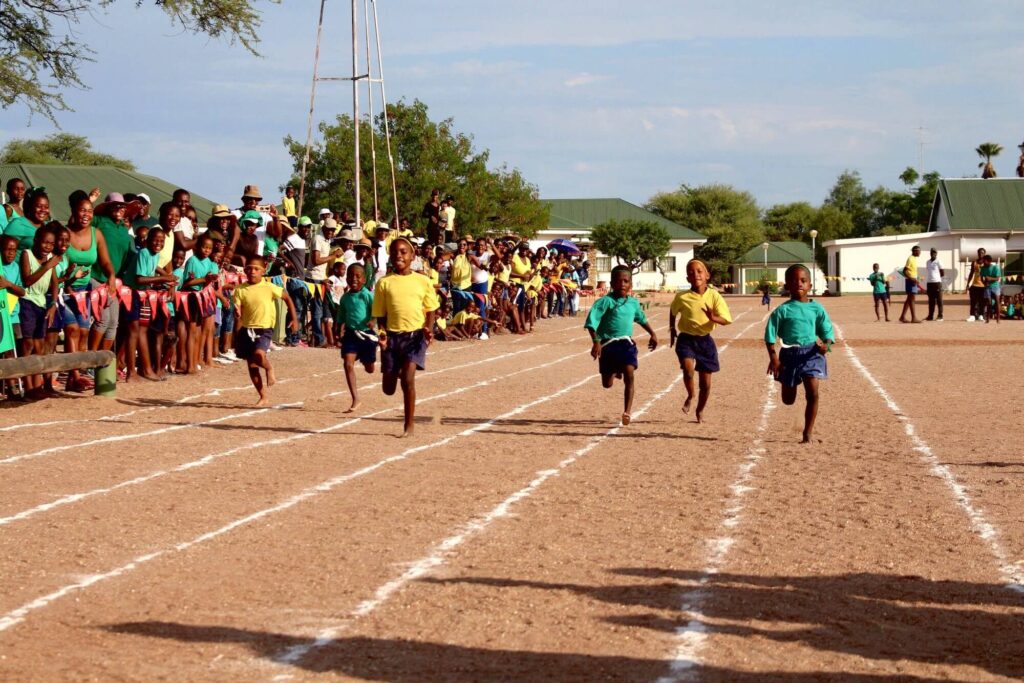
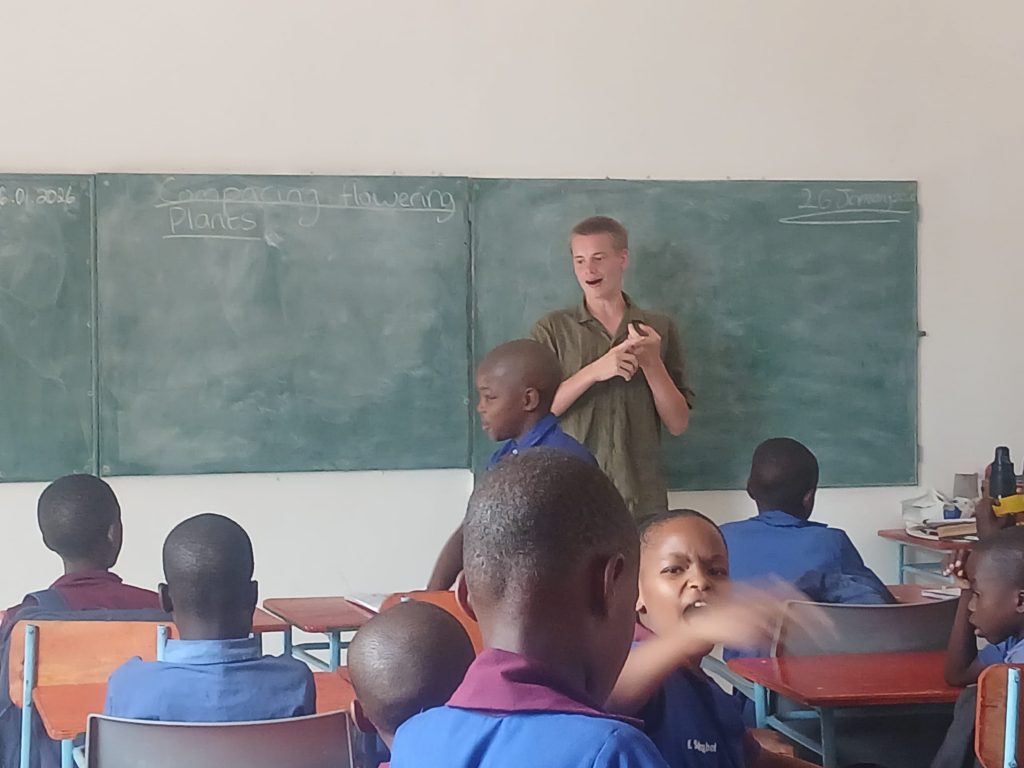
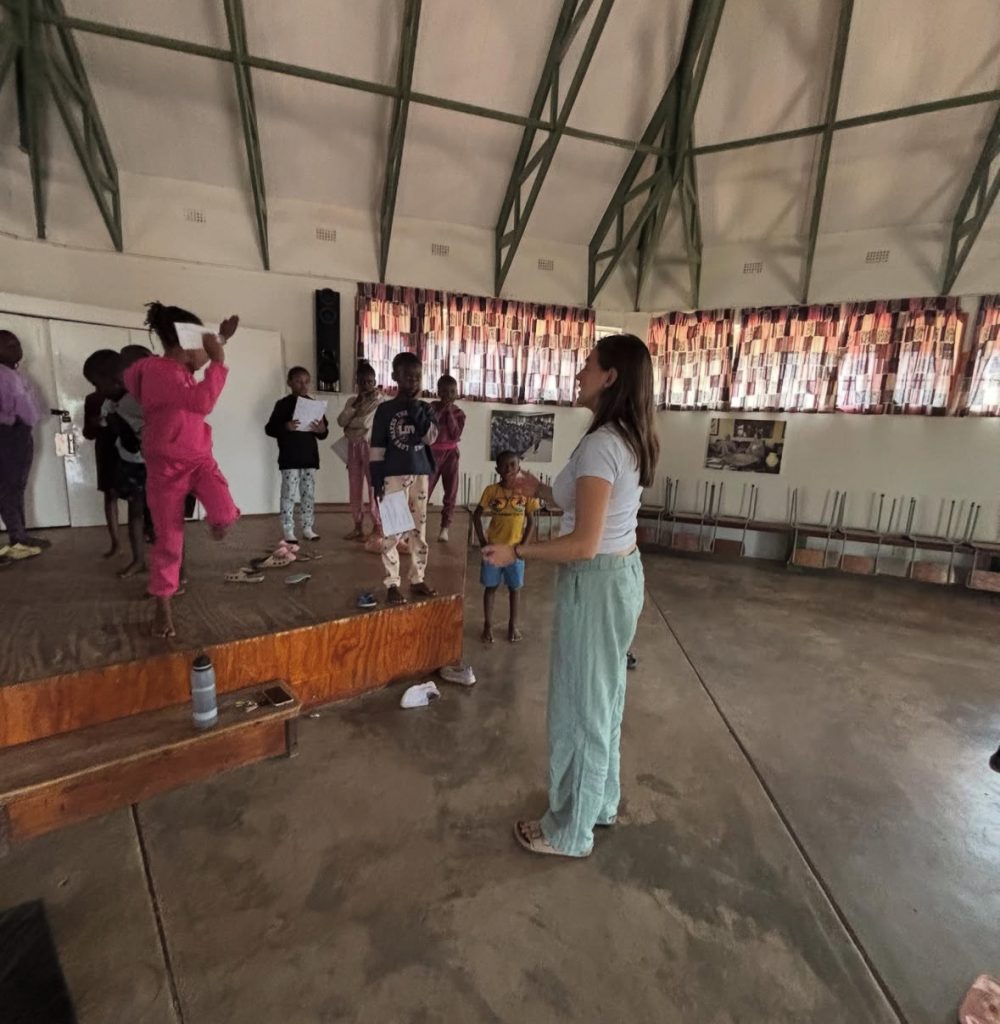
As a Volunteer, you’ll become part of everyday life at your school, supporting children from nursery through to primary age.
With younger children, you could help deliver fun and educational activities that build confidence and encourage learning. At Primary level, you may teach English alongside other subjects that suit your interests, strengths and knowledge.
There are also opportunities to get involved beyond the classroom, becoming part of the wider life of your school and community.
What does life as a Volunteer look like?
FOOD
As a Volunteer, you’ll mostly be self-catering, shopping locally and cooking for yourself. You’ll also have opportunities to eat with hosts, enjoy a traditional braai and try local favourites such as kapana – freshly grilled meat, often served with spices and salsa. Sharing food is a great way to connect with your community and experience everyday life in Namibia.
Living
Get ready to swap busy city life for wide-open spaces.
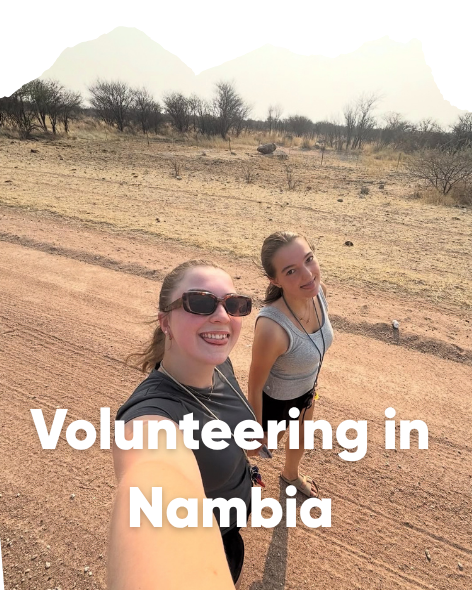
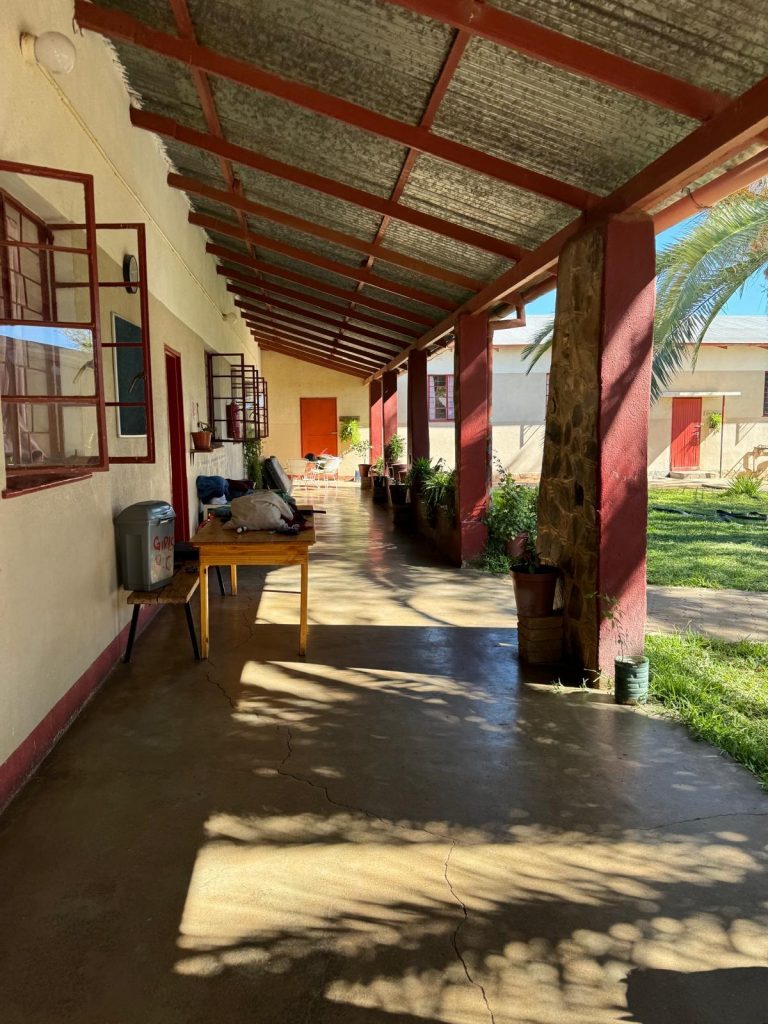
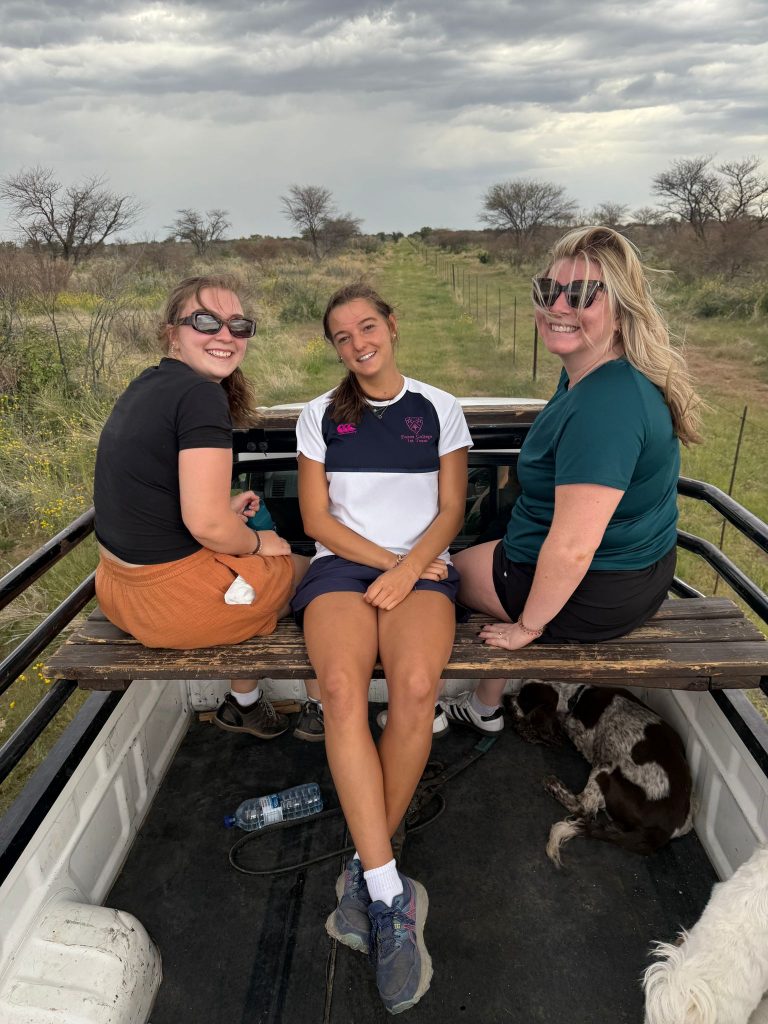
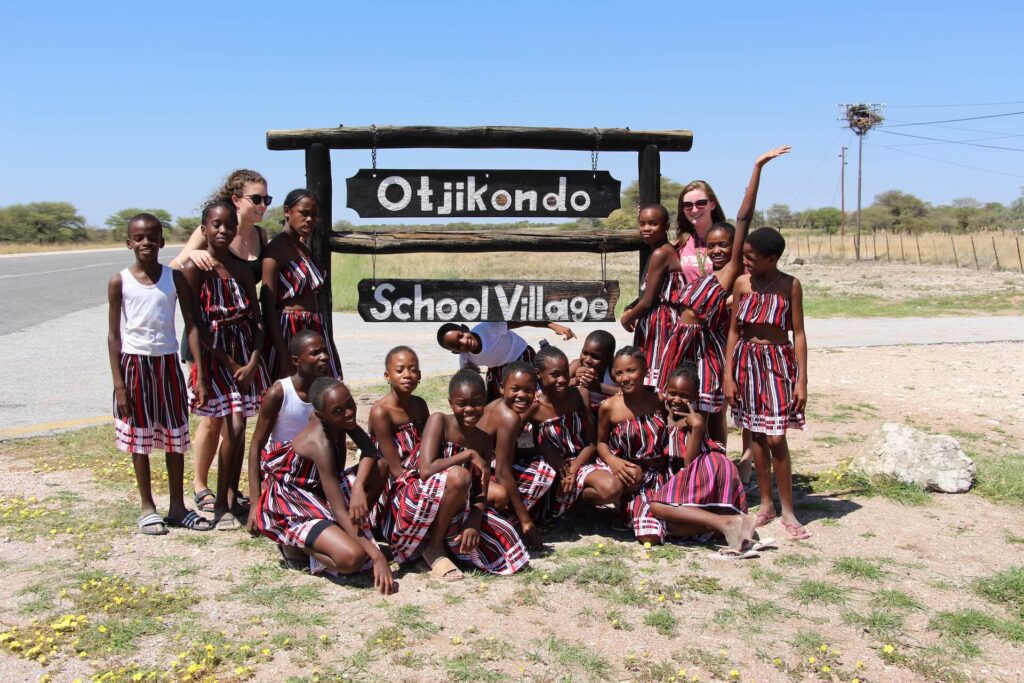
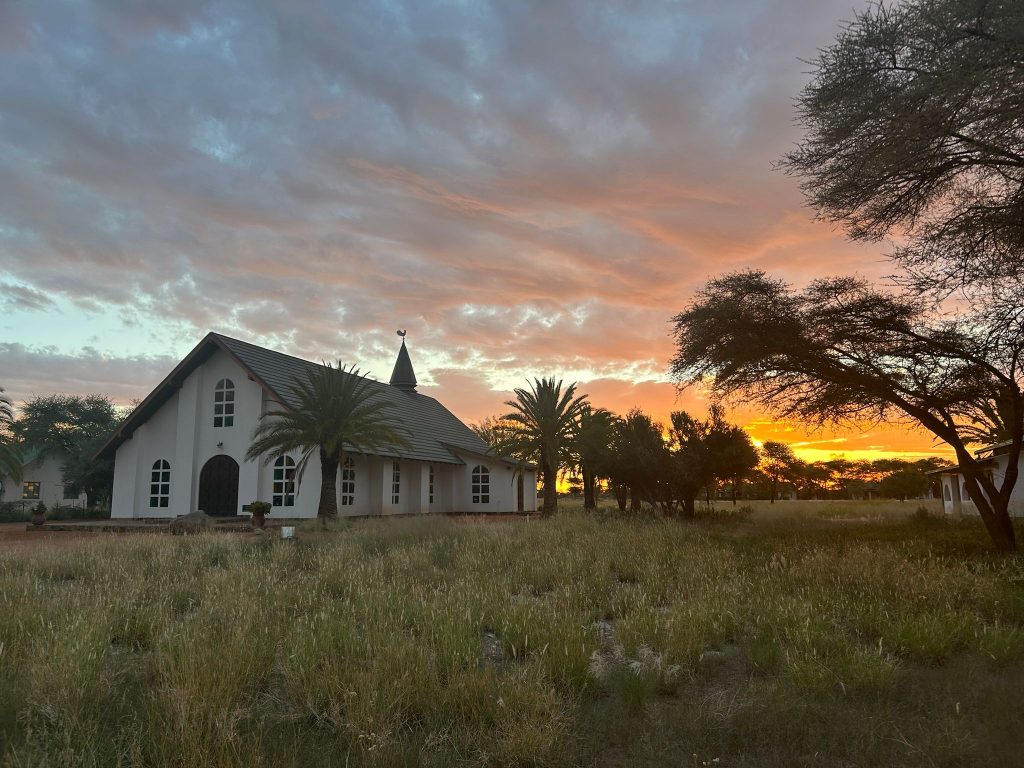
Project Trust Volunteers are based in north-west Namibia, living independently within small rural communities centred around their school and surrounding farms.
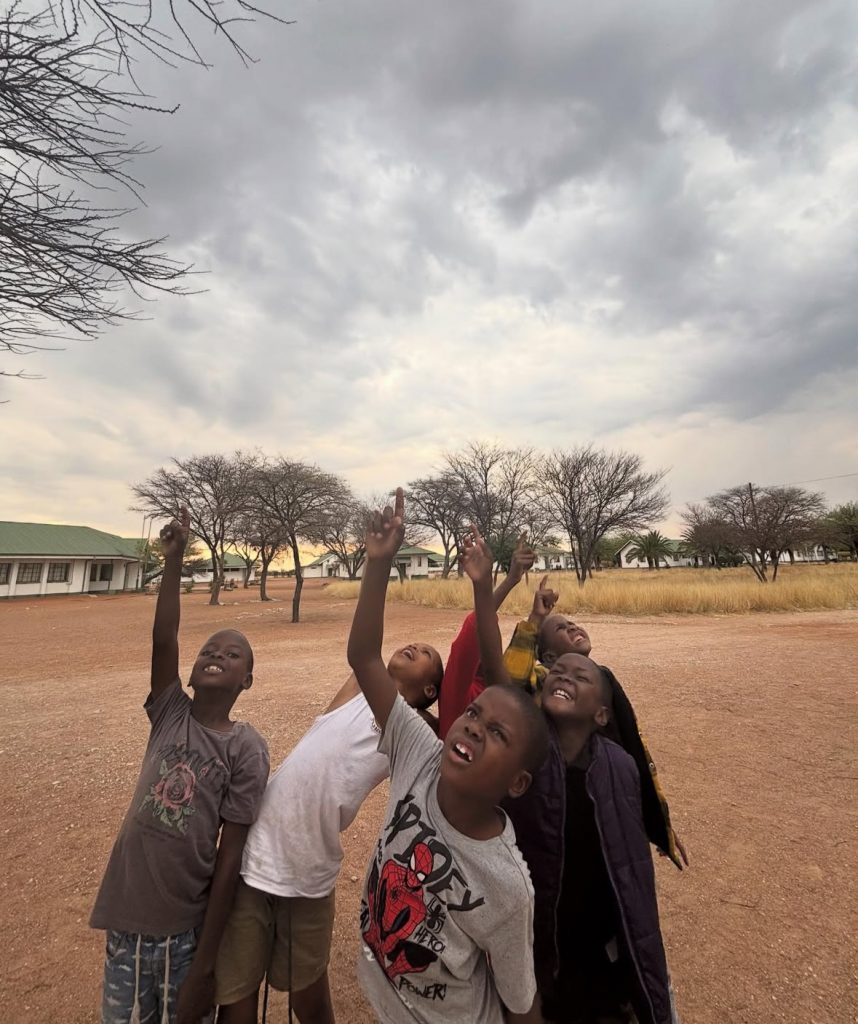
This rural setting gives you the chance to really become part of community life, building relationships with teachers, farm workers and local families.
TRAVEL
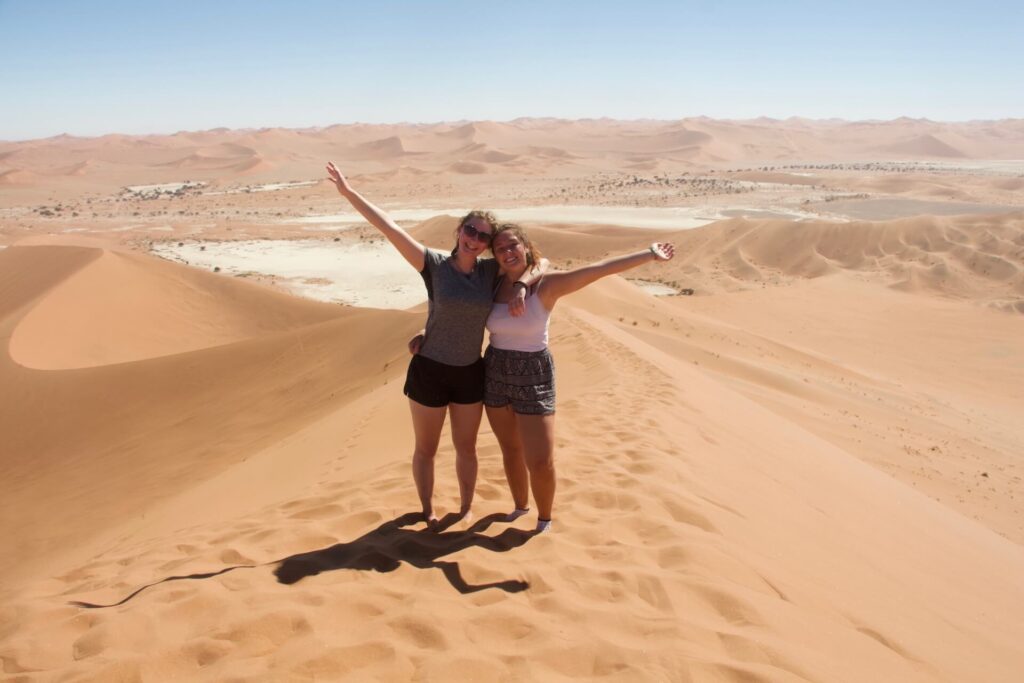
Namibia is made for exploring. Watch the sunrise over the towering dunes of the Namib Desert, spot wildlife in Etosha National Park, or explore the coastal town of Swakopmund.
With dramatic deserts, canyons, wildlife and an incredible coastline, you won’t be short of adventures during your time off.
Have questions about Volunteering in Namibia?
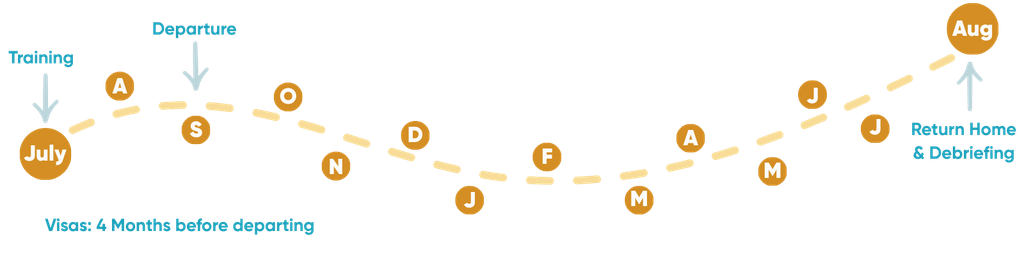
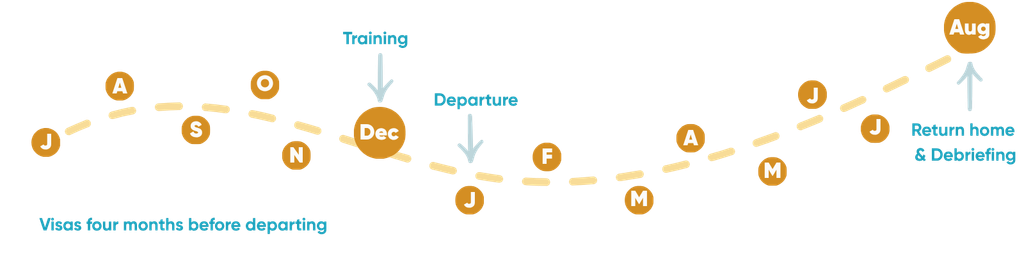
A Timeline of your Placement
Ready to start your Project Trust Journey?
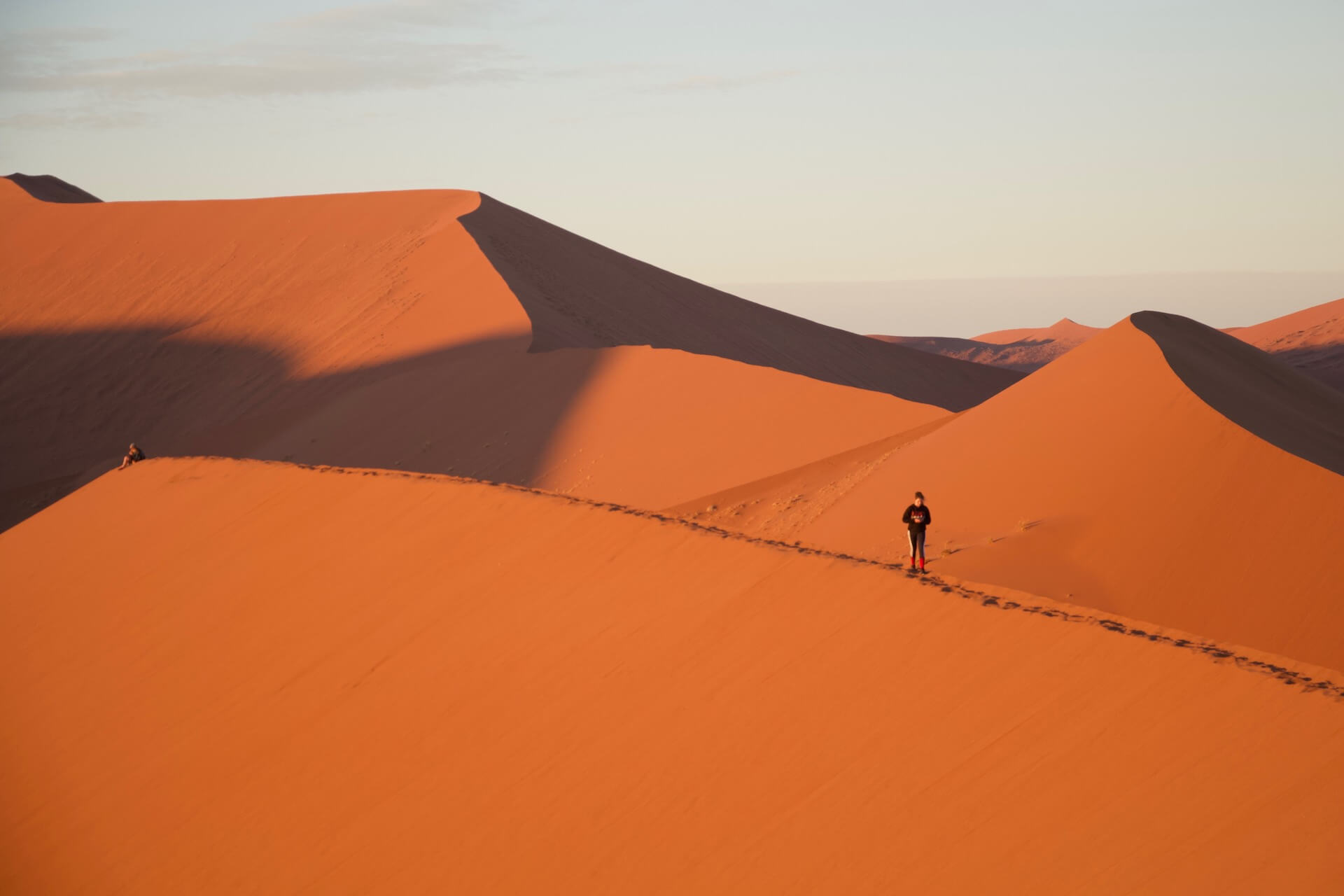
Landscape:
Desert dunes · Wildlife · Rugged coastline · Canyons · Wide-open wilderness.
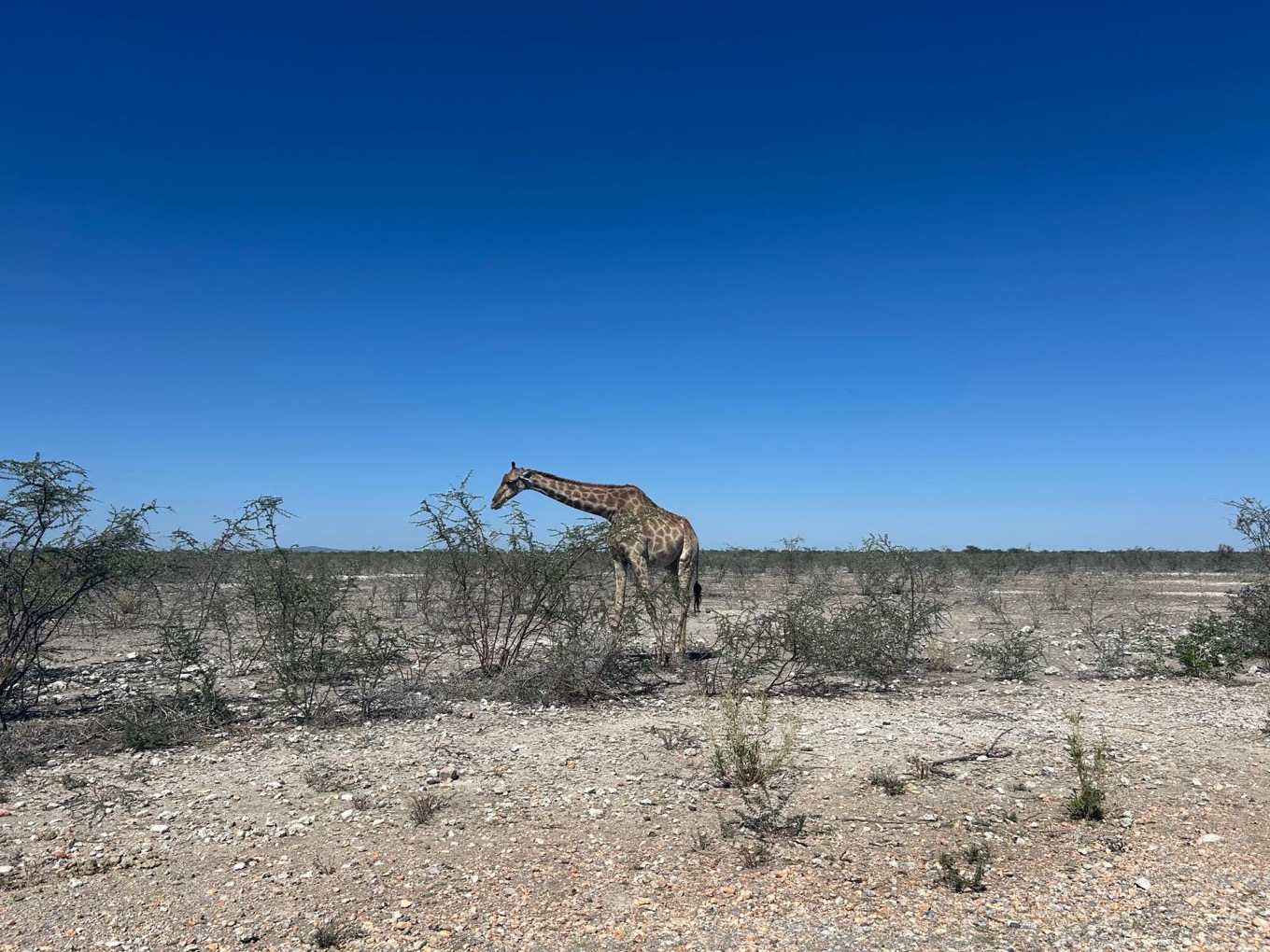
Wildlife:
Namibia is home to an incredible variety of wildlife, including one of the world’s largest populations of free-roaming cheetahs.
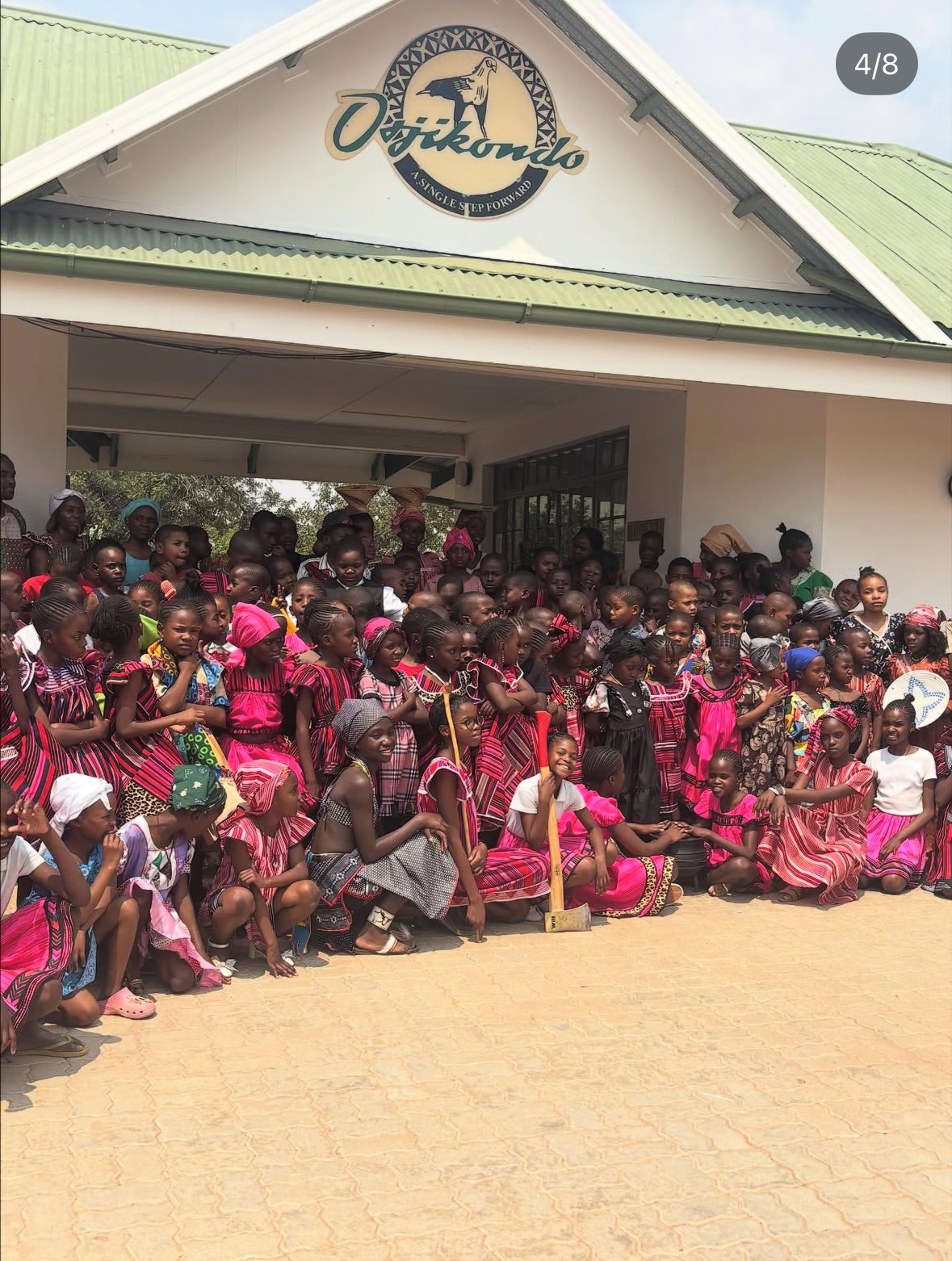
Where will I live?
Project Trust Volunteers are based in small rural communities in north-west Namibia.
.
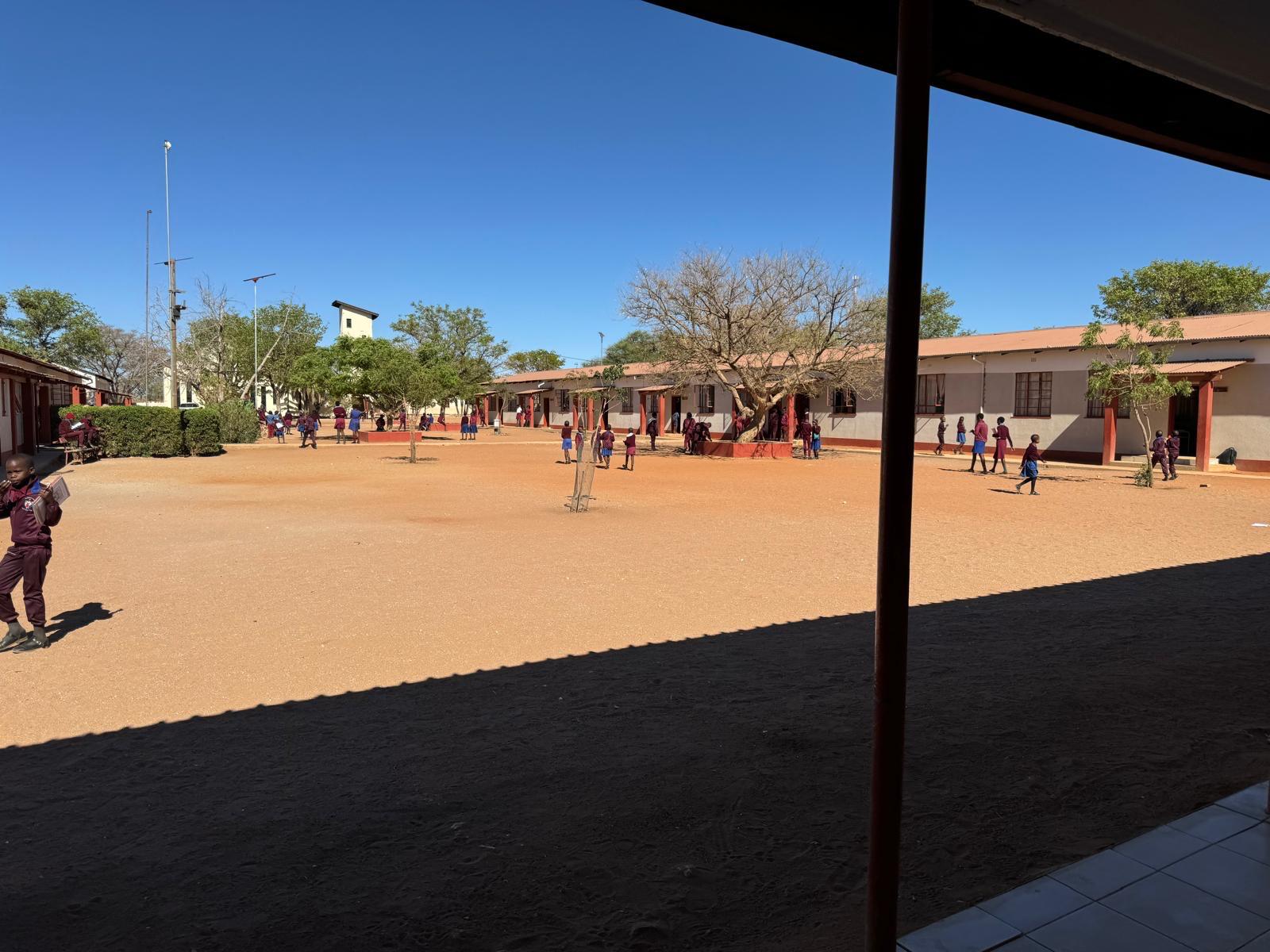
Accommodation:
Volunteers live independently, with accommodation based on or close to their school.
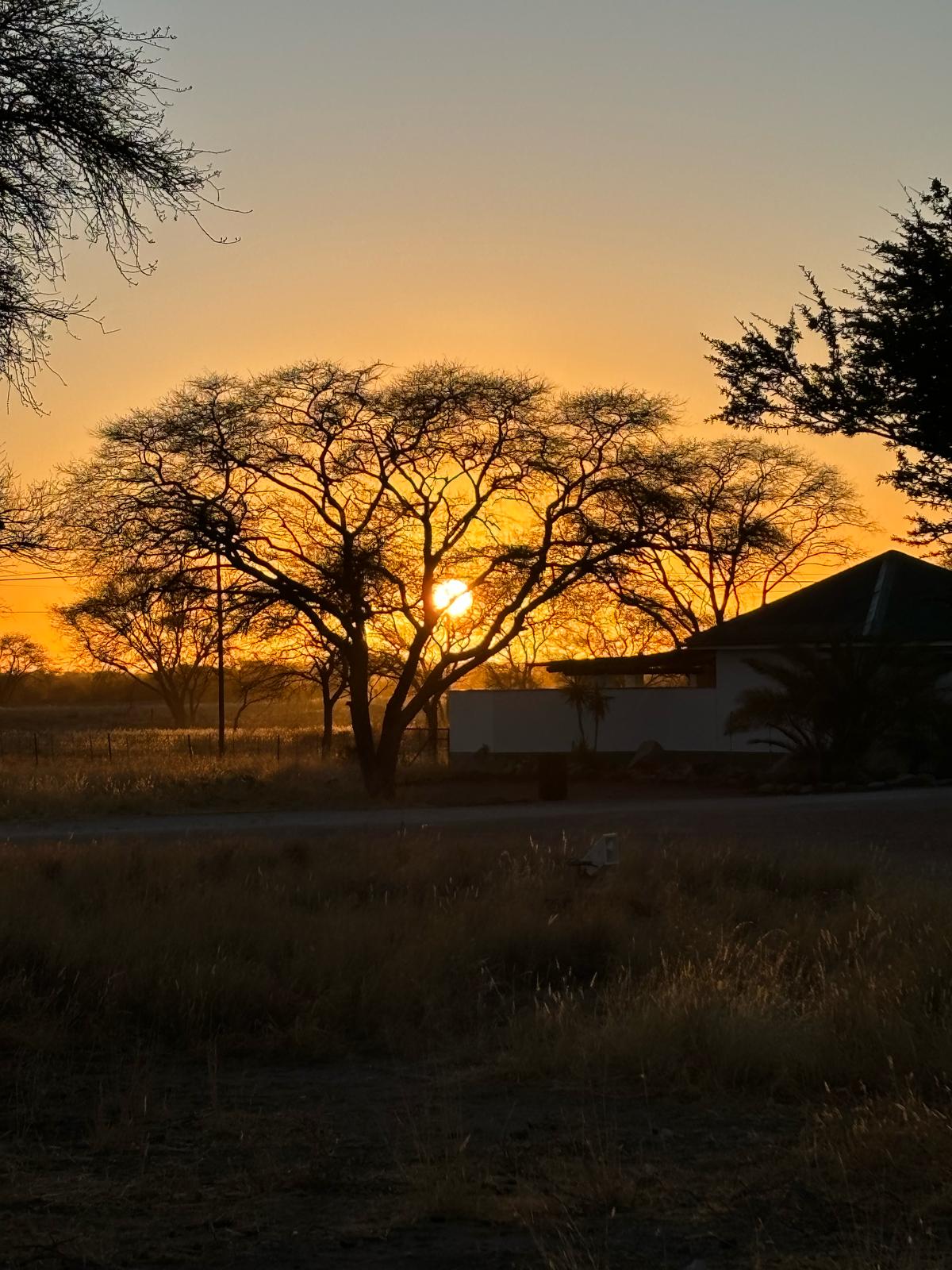
Sunshine:
Namibia enjoys around 300 days of sunshine a year.
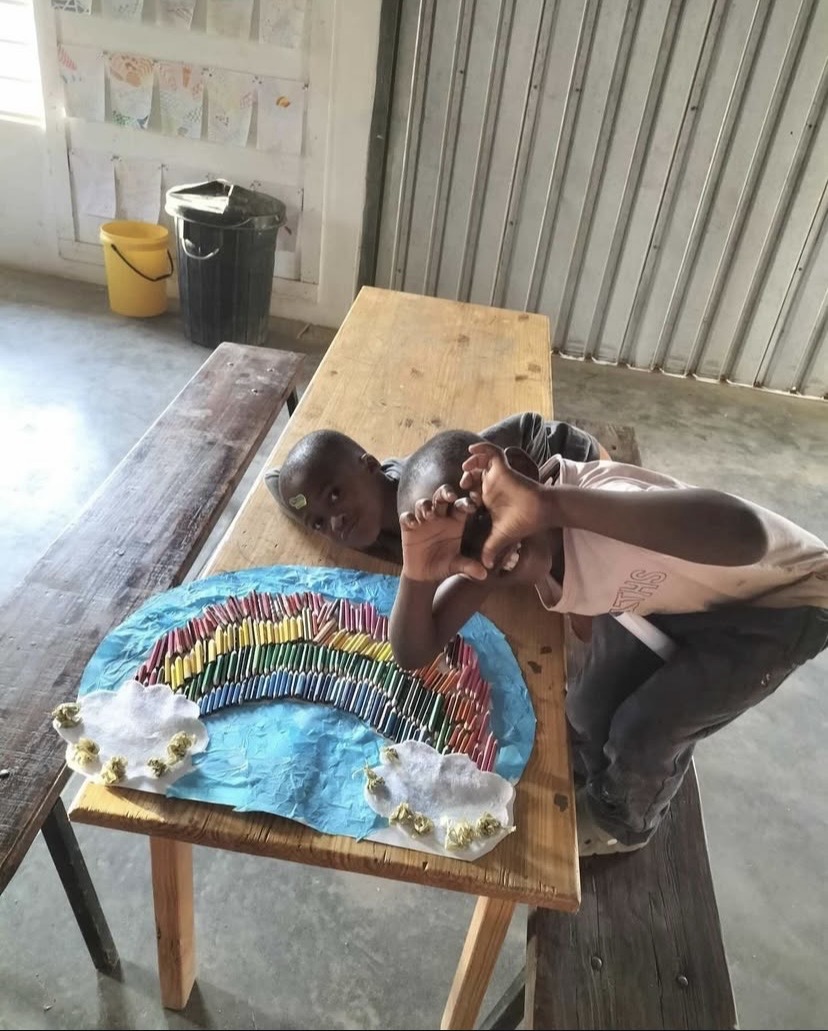
Language:
English is the official language, alongside a diverse range of languages spoken across the country.
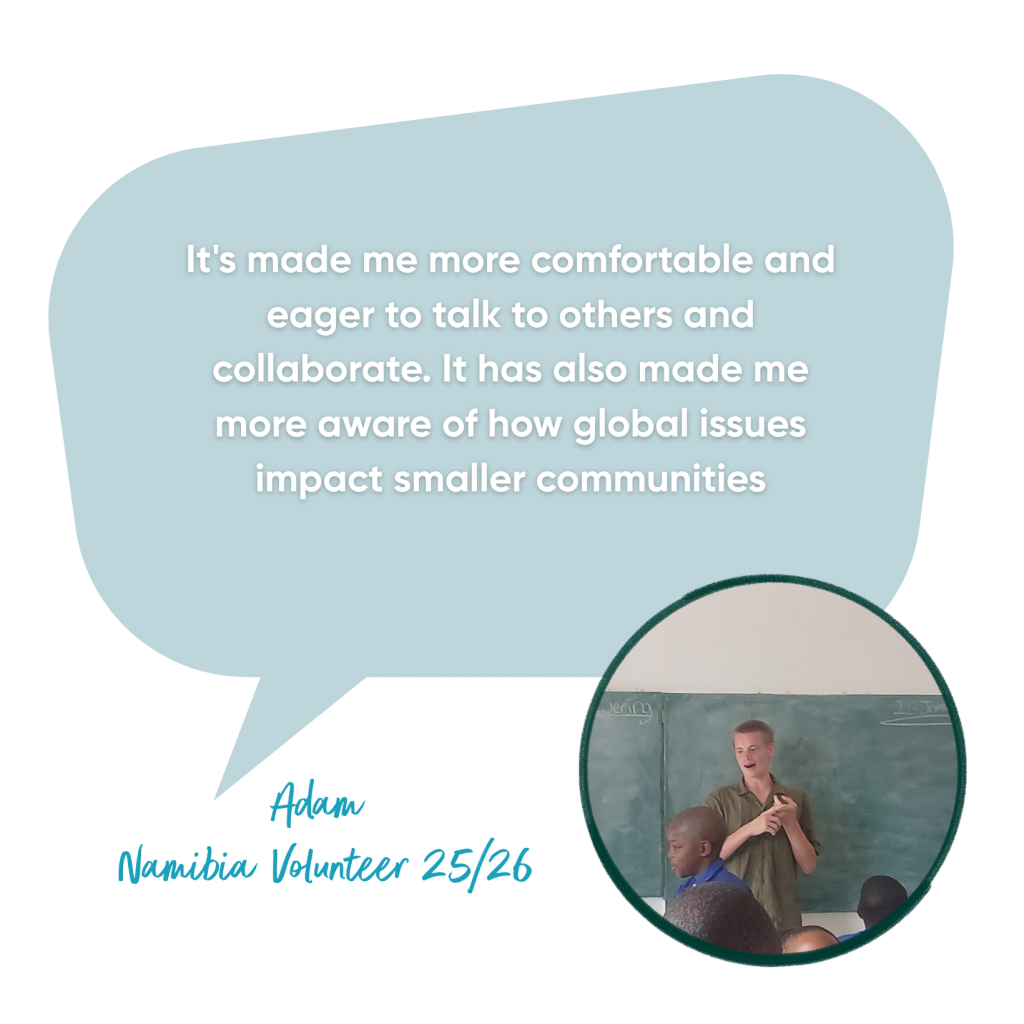
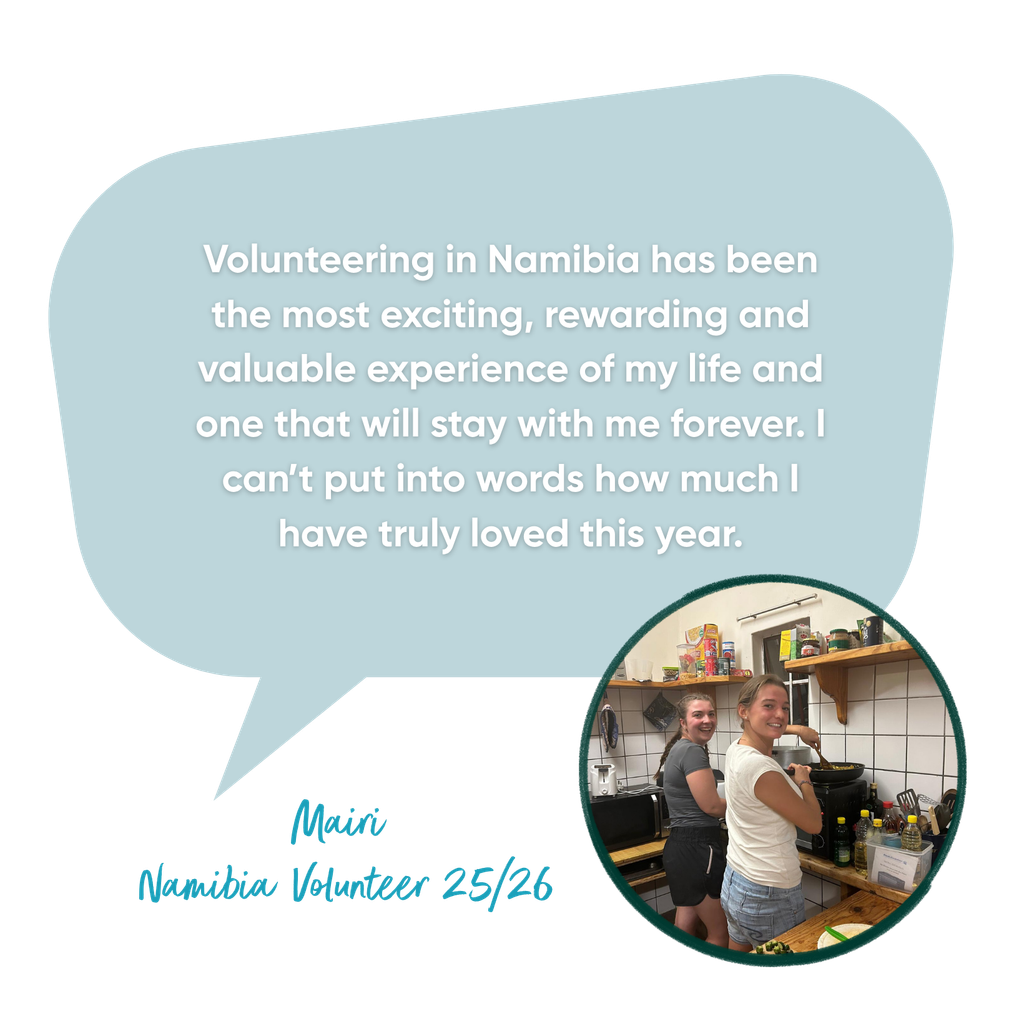
Hear from our past Volunteers….
Latest news & stories from our Volunteers
Browse Other Volunteer destinations