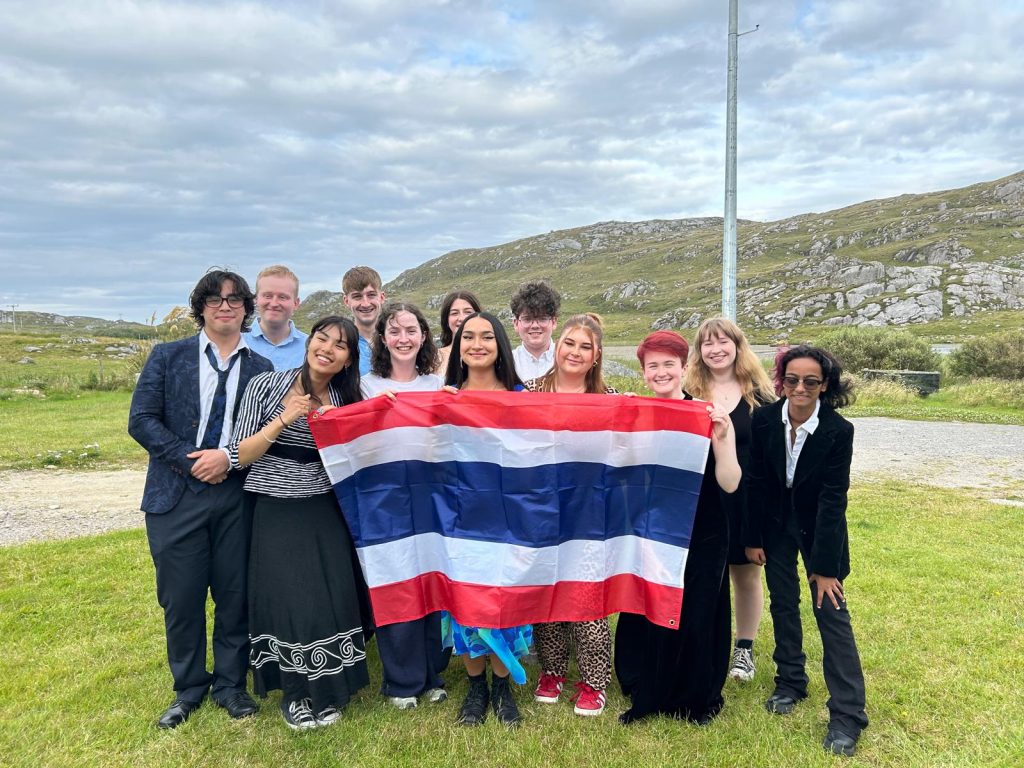
We are excited to share that our Race Across the World challenge is in full swing.
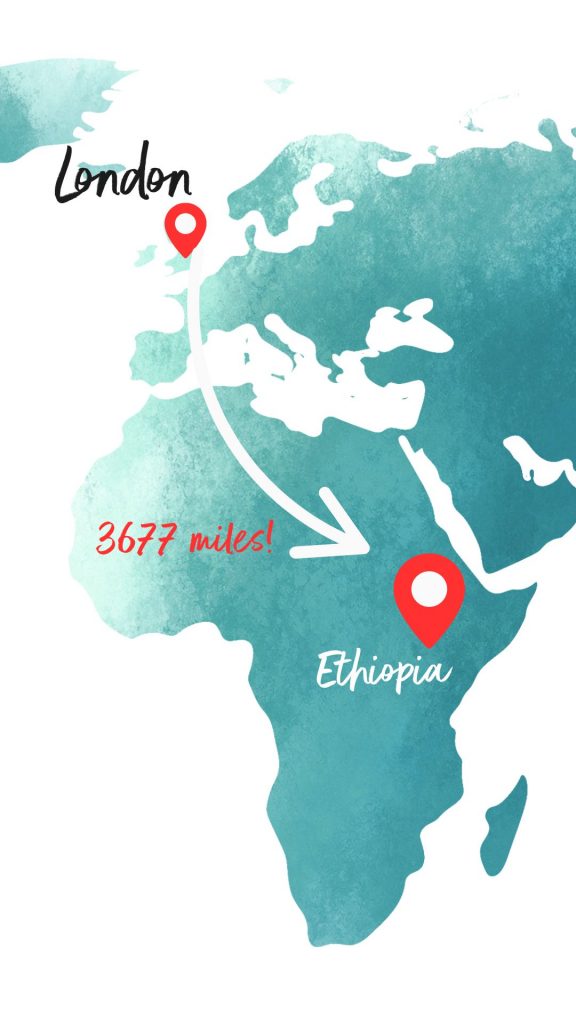
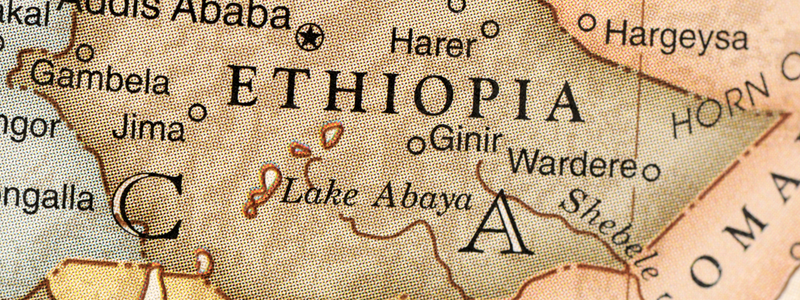
Over 60 of our currently fundraising Volunteers are racing in teams to cover 3,677virtual miles – the distance from London Heathrow to Ethiopia, where Project Trust’s very first project began back in 1967.
These incredible young people are running, walking, cycling, swimming, and more to raise the funds they need to make their international placements a reality.
Plus, they’re not going it alone. Over 50 Project Trust Alumni have offered a helping hand, joining in to bag the miles, share encouragement, and show what it means to stand behind the next generation of Volunteers.
This is the first time Project Trust has launched a campaign specifically to support Volunteers’ fundraising efforts – a reflection of just how tough it has become for young people to raise what they need.
Become a Final Sprint Supporter
As we prepare for the final stretch of our Race Across the World campaign, we are asking Alumni to become Final Sprint Supporters and help our Volunteers reach the finish line.
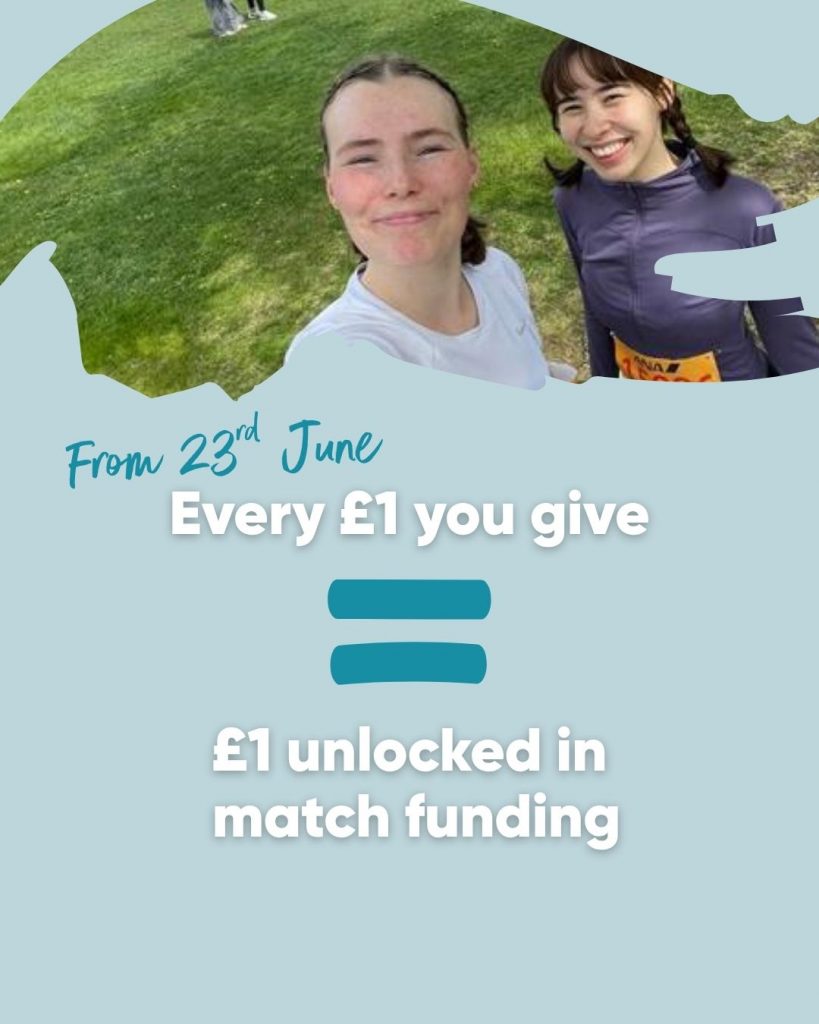
From 23rd to 29th June, every donation will be doubled through our Match Fund Campaign. By becoming a Final Sprint Supporter, you’re pledging your support for the final week of our campaign, when every donation will be matched.
Your gift will directly help Volunteers overcome financial barriers and reach their placements this September.
Make your pledge today and double your impact.
Follow our Instagram to track the Volunteer’s progress!
For Callum, football has always been more than just a game, it’s been a compass, guiding him through the twists and turns of life. Now volunteering in Ghana with Project Trust, his story is one of resilience, rediscovery, and the profound impact a year of volunteering can have on rebuilding confidence and restoring lost passions.
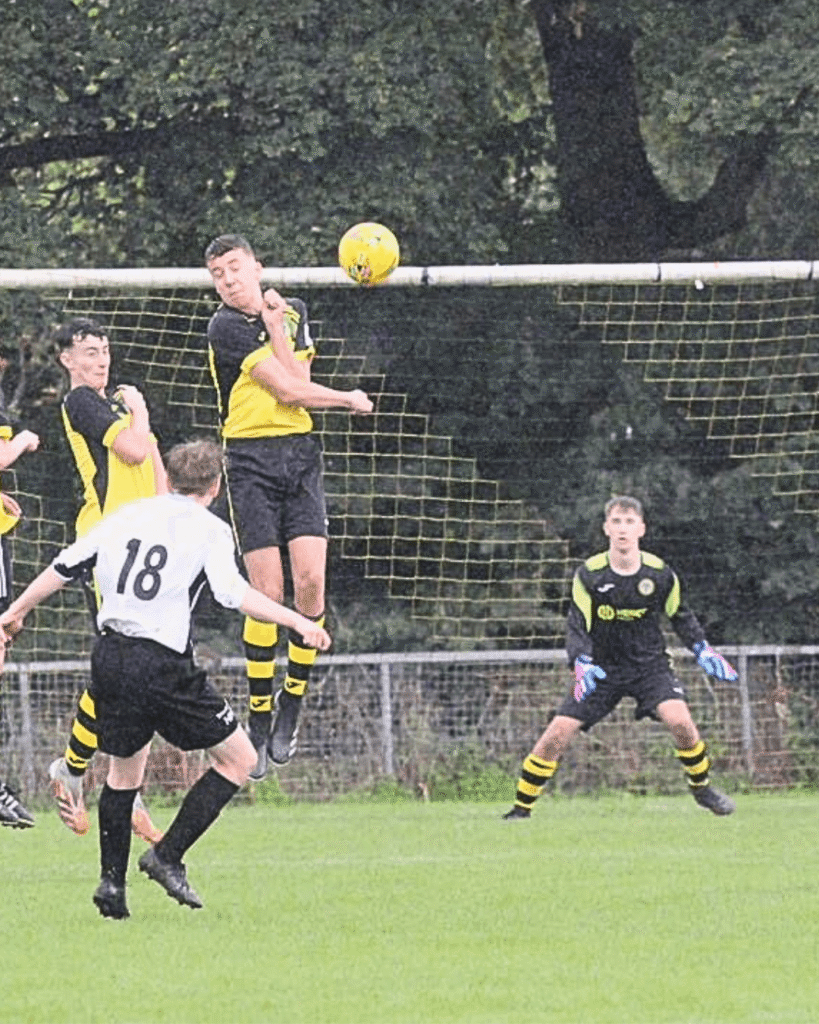
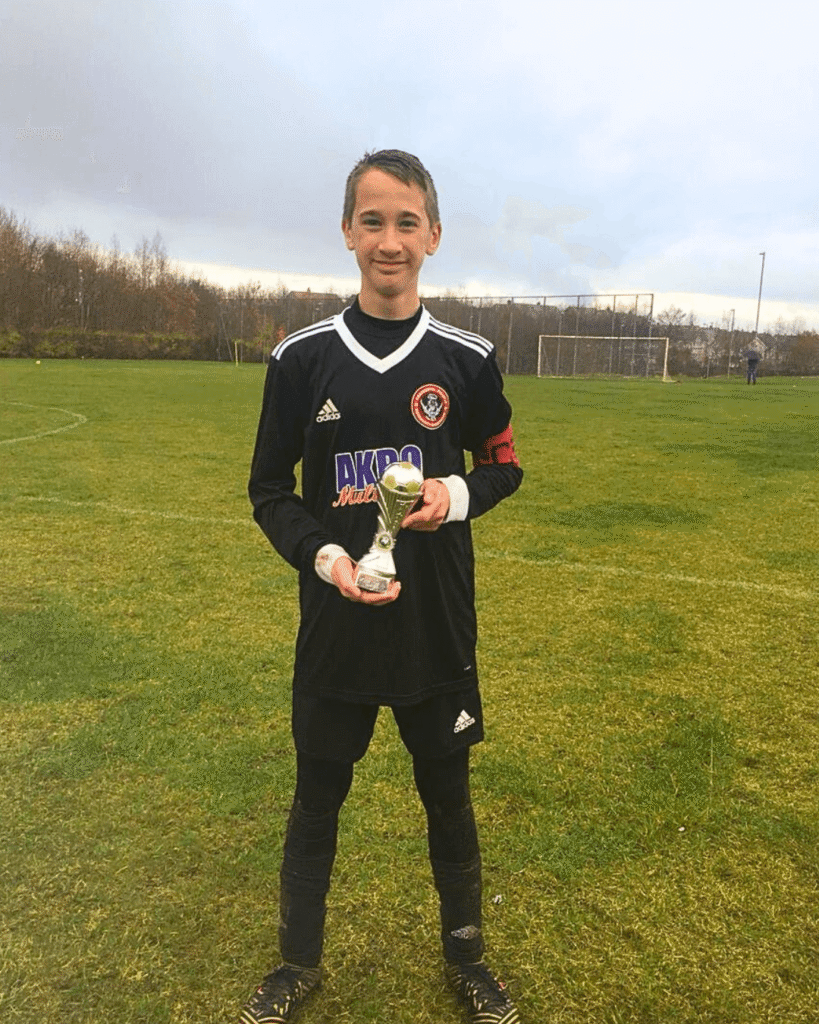
Callum’s love for football was born in the back garden, playing with his two older brothers. After moving to Scotland in 2010, he joined a club to learn the basics, and by age six, he was proudly standing between the posts as a goalkeeper. For seven years, he dedicated himself to his first team, where football was both a passion and a source of stability.
A pivotal moment came when he was scouted by a more competitive team after impressing a coach during a school match. Callum made the leap, encouraged by supportive coaches and his proven skills on the pitch. This transition marked his first lesson in stepping out of his comfort zone, a theme that would echo throughout his journey.
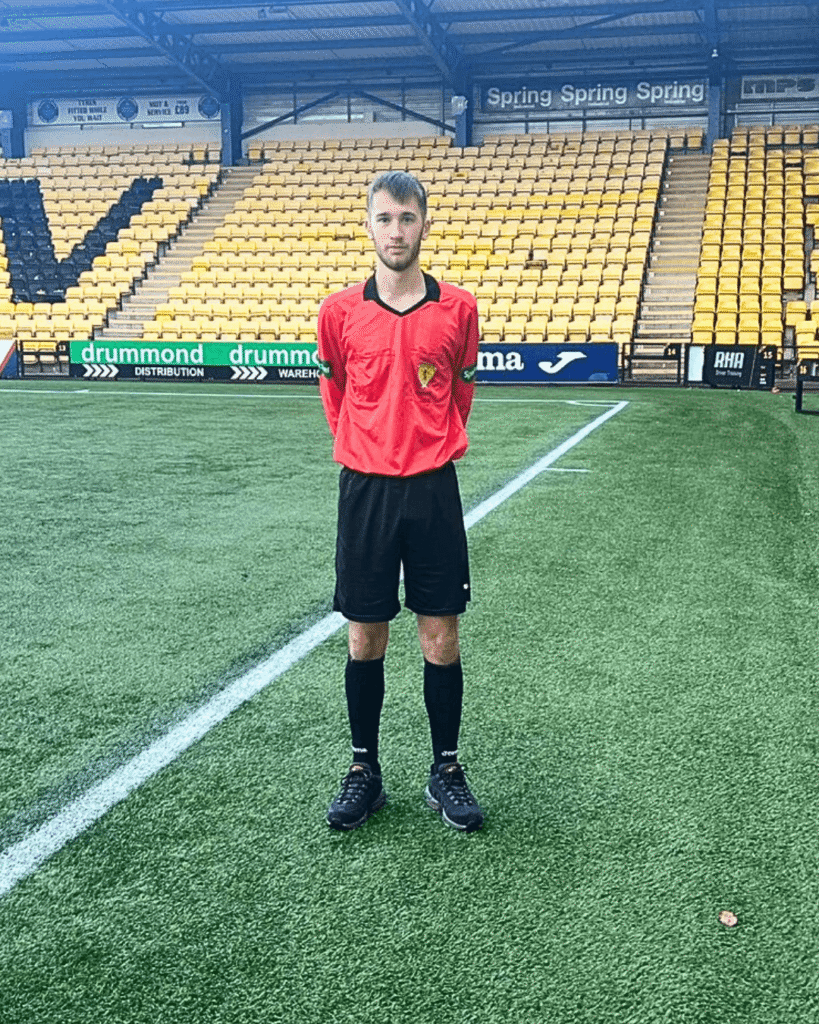
In 2021, Callum faced a period of instability, moving between two teams in just six months. The uncertainty led him to question his future in football. However, a teammate introduced him to refereeing, and in October 2022, Callum officiated his first match. Instantly, he was hooked. Refereeing not only kept him connected to the sport he loved but also provided a newfound sense of purpose and ability to earn a wage from what he loved.
Yet, football had more trials in store. In 2023, after struggling with limited playtime in a new under-20s team, Callum faced an even greater setback, he dislocated his shoulder just 10 minutes into the match. The injury left him feeling helpless, unable to play or referee, the very activities that had kept his passion for the sport alive. Callum was told that if he didn’t have surgery to stabilise his shoulder he would never play football again.
The road to recovery was both physical and mental. Surgery was inevitable, and Callum approached it with determination, knowing it was the key to reclaiming his passion. Though the recovery sidelined him from refereeing temporarily, his resilience never wavered.
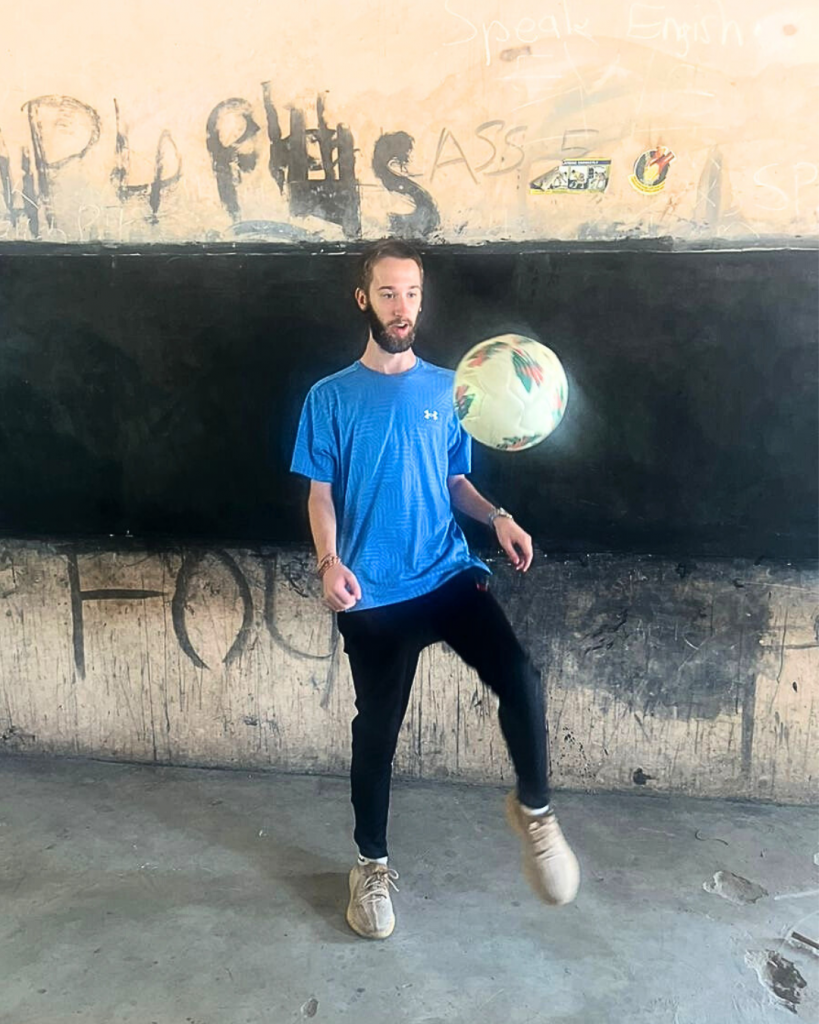
Arriving in Ghana marked a turning point. Eager to reconnect with football, Callum quickly found a new home with the Kickers, a local team that welcomed him with open arms. Back on the pitch, he rediscovered not just his skills but also his strength and confidence in the sport. A fun fact about his new team, Kickers FC, is that one of their former players, Terry Yegbe, was born in their town Akatsi, represented the Kickers in his youth, and is now playing internationally for Ghana.
The friendships he’s formed and the mentorship from his Coach Alex, fondly known as ‘The Don’ have been instrumental in his journey.
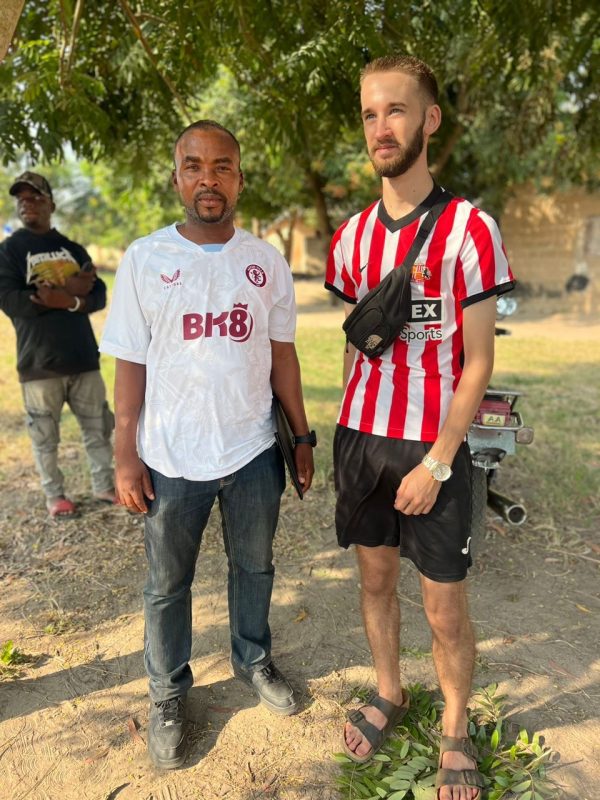
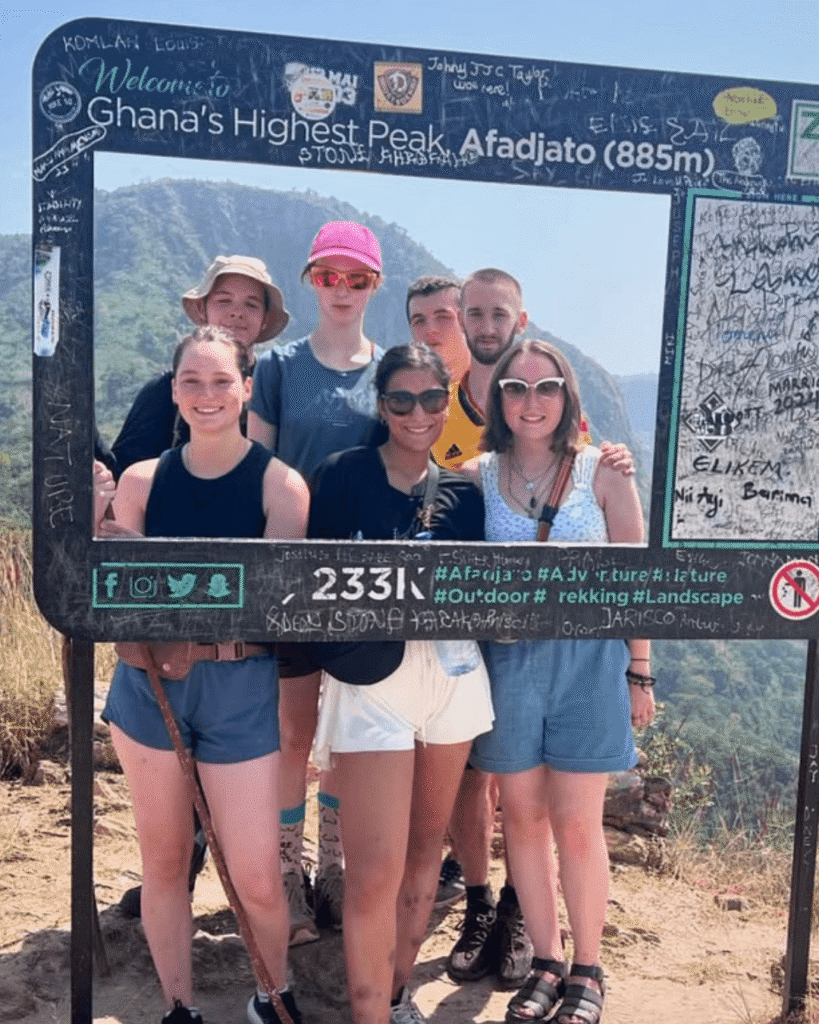
Below: (Left) Callum with his country group
(Right) and with Coach Alex on the left.
Callum’s story is more than just a tale of sports and setbacks. It’s a testament to the transformative power of volunteering with Project Trust. Through his year in Ghana so far, he’s not only rebuilt his relationship with football but also rediscovered parts of himself he thought were lost. His journey shows that sometimes, stepping away from the familiar and immersing yourself in a new environment can be the most profound path to personal growth and empowerment.
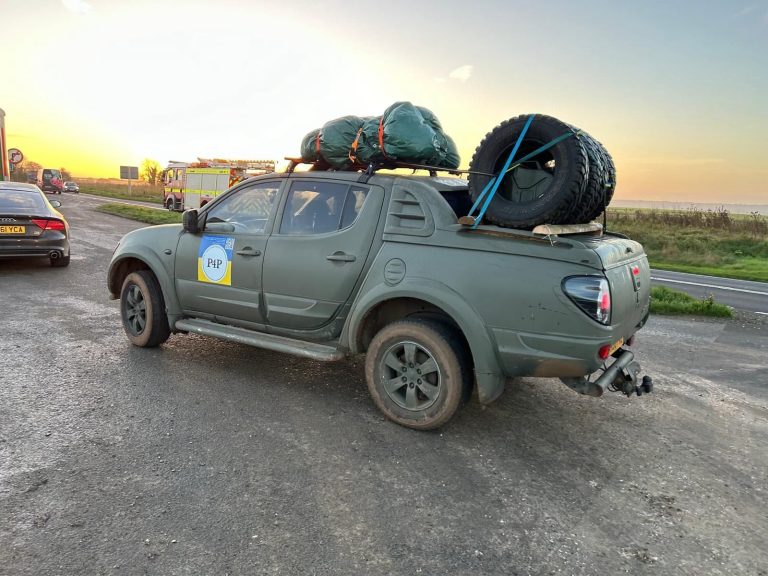
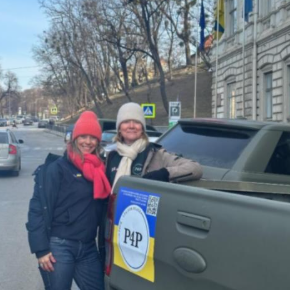
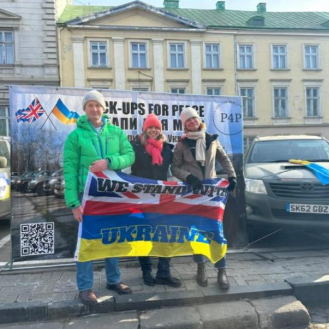
Becs and I met nearly forty years ago when we volunteered together in Saos, Kenya. Like many Project Trust volunteers, we forged a strong bond and have remained close friends ever since. A few weeks ago, in mid-January, Becs phoned me and asked whether I would be interested in being a co-driver to deliver humanitarian aid and a donated 4×4 vehicle to Ukraine. Becs and her husband Tris had already completed this trip four times over the past two years, so despite initial nerves, I felt in good hands and agreed to help.
We would be part of a 38-vehicle convoy under the P4P charity https://www.pickupsforpeace.co.uk/, who have already delivered over 570 second-hand vehicles and aid over the past few years. The vehicles were to be predominantly used for medical evacuation for wounded soldiers on the front line; delivering medical supplies; and helping with mine clearance.
On Wednesday 19th February, we left the UK via the Eurotunnel in our Ford Ranger filled with medical supplies – surgical masks, syringe packs, bandages, face shields, iodine incise drapes, and other miscellaneous bits and pieces. The journey took us approximately 1,400 miles across Europe through France, Germany and Poland, where we crossed the border into Ukraine. Our final destination was the beautiful city of Lviv, which was about two hours from the border and required a full police escort: 38 vehicles, flashing lights, nose to tail, no stopping (even for red lights!) – an exhilarating experience, and Becs drove brilliantly.
After three days of travelling, we arrived in Lviv and handed over our vehicles and supplies to our Ukrainian friends. There was a lovely moment speaking to the Ukrainian soldiers and the Governor of Lviv, as well as meeting some MPs from the UK who were on their way to Kyiv. We then spent two nights in Lviv, which allowed some of us to visit a local hospital where some of the team were helping with prosthetic limbs; a potato farm that provided starch for a variety of uses in both food and health; a drone research centre; as well as a chance to see the beautiful city of Lviv – think Prague without the tourism.
Our return trip involved coaches and minibuses, and most of the team flew back to the UK via Kraków. I did take the opportunity to visit Auschwitz; Becs had already visited after being part of a previous convoy.
As I reflect on my trip, it’s clear that living here in the UK makes it very easy for world events to be out of sight and out of mind. Being in Ukraine helped to focus my thoughts, and I have been reflecting on what I experienced. There were moments of sorrow and sadness: listening to a priest read out the names of soldiers at a memorial service, looking at flags with the name, birth and death dates of soldiers, hugging a father grieving for his son. As well as moments of hope: watching an old lady light a candle in a Catholic church, climbing to the top of the Town Hall tower and seeing the city spread out in the sunshine, reading messages written on paper angels made by local schoolchildren. And moments of appreciation: standing in sub-zero temperatures being thanked by soldiers and townsfolk for our continuing support; standing arm in arm with a woman whose husband is currently fighting; buying a record from a local stallholder who, when he heard of what we had done, wanted a photo and gave a huge hug.
My overarching impression is that although there is sadness, there is also hope, an appreciation of friendship and support, and immense pride. I would urge anyone who is interested in helping this charity https://www.pickupsforpeace.co.uk/ to either take part and/or donate a 4×4 vehicle and/or donate funds – there are lots of convoys being planned in the coming months, so it’s never too late.
My journey to Ethiopia followed the rules of ‘Race across the World’: I had no credit card, there were no smartphones, and I got to Ethiopia (though not to Addis Ababa) without flying.
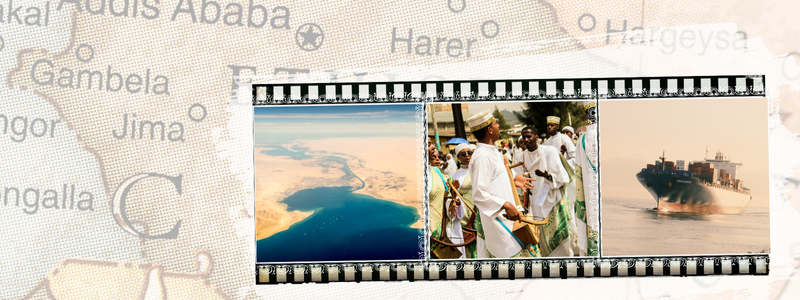
Project sent me there to teach in the Abba Hanna Jimma School, run under the auspices of Prince Iskinder Desta, Haile Sellassie’s oldest grandson, who I think had been at school with Captain Bristol, as he was when I was recruited. I was given passage on the Lion of Judah, an Ethiopian cargo ship, and boarded it in the East India Docks in London in July 1967. I was one of only two passengers and we had our meals with the Dutch officers. The first part of the voyage was full of interest, with stops in Rotterdam, Antwerp and Genoa, but then, instead of going through the Suez Canal, which was still closed after the Six-Day War, we embarked on a four-week journey around the Cape of Good Hope, with only one stop of three hours to refuel in Dakar, Senegal. For the most part, it was extremely boring. We only saw land as we passed South Africa, and were visited by a variety of sea-birds including a wandering albatross. In desperation, I asked the Captain for a job and he gave me the task of typing out the ship’s manifest on a jumbo typewriter. I had my eighteenth birthday on the 25th August, which I celebrated by presenting the officers with a bottle of port to drink after dinner. I remember that it cost me seven shillings and six pence – properly duty free!
Soon afterwards, we arrived in Assab, now in Eritrea, but then in Ethiopia. Eritrea had been annexed by Ethiopia in 1962, giving Ethiopia a coast-line and allowing it to develop a navy. Prince Iskinder Desta had been appointed the head of the navy, and his rank went up as the navy acquired new ships. When I knew him, he was a Commodore. Staff at the Navy base in Assab had been primed to look after me, and I was taken, on the evening I arrived, to a beach party to celebrate Ethiopian New Year. The Ethiopian calendar is some seven years behind the Gregorian, so it was the beginning of 1960.
A few days later, I was put on a plane to Addis Ababa. I had never flown before and it was a magical experience, in a small plane flying low over the Danakil Desert and then up into the mountains, to arrive in Addis, some eight thousand feet above sea-level, and still in the rainy season, so it was cold and wet. Later, in the dry season, I reflected that in 24 hours in Addis, you experienced the same range of temperatures as in a whole year at home. By night it was chilly enough to need a coat, but in the afternoon it was a little warmer than a British summer’s day.
My fellow Project Volunteer, Michael Coke, arrived by plane, shortly before term started and we were found a house within five minutes walk of the school, which we shared with Tim Beatty, whose father, Captain Beatty, was employed by the Ethiopian Navy to train their personnel in a camp in the hills above Massawa, far to the North of Addis.
My only means of communicating with home was by letter, and when I arrived there were several waiting for me in the post restante at the main Post Office in Addis. It took about ten days for letters to arrive, so nearly three weeks for an exchange of correspondence. Only once, during my time in Ethiopia, did I speak to my family on the phone. It was a laborious and costly experience. I booked a three minute call shortly before Christmas, and was put through at the main Post Office, with the pips going very soon after I began to speak!
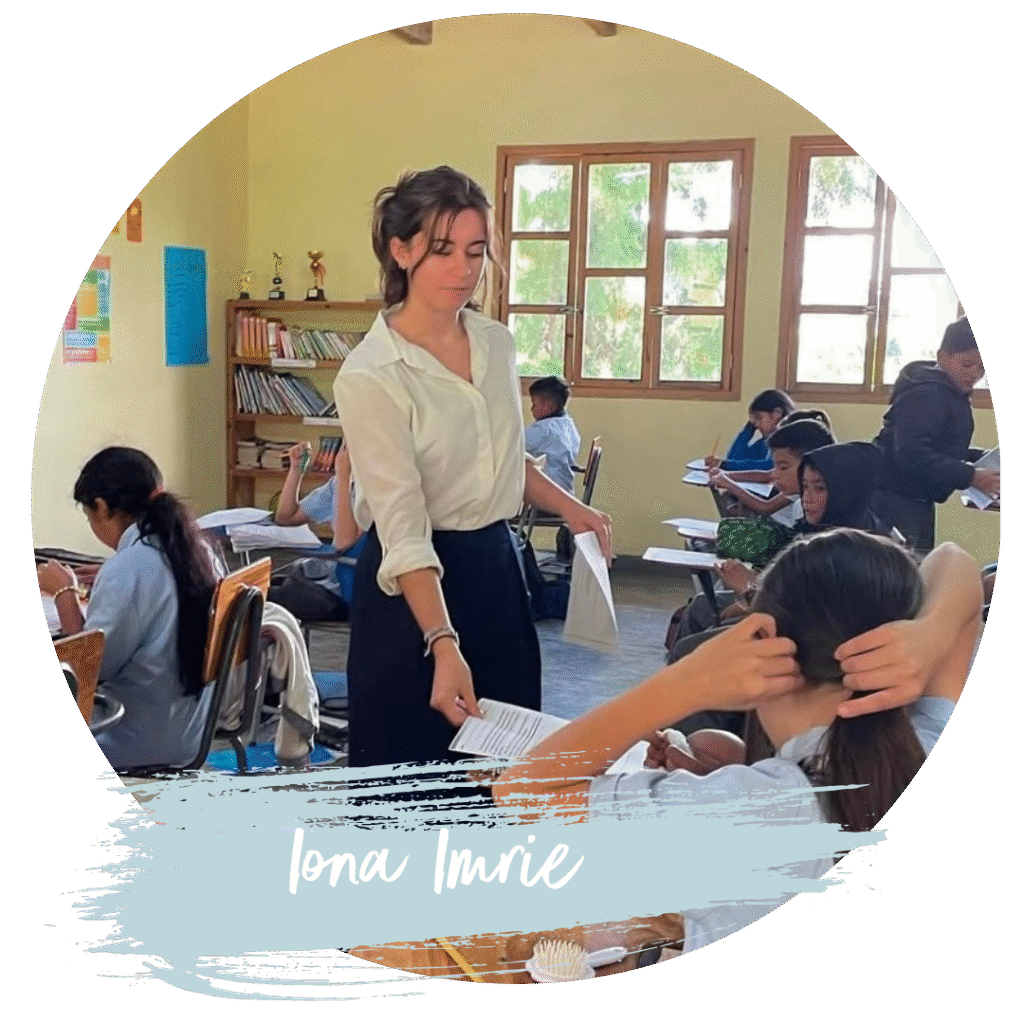
International Volunteer Day is a special celebration for us at Project Trust as it’s at the very heart of everything we do. This year, we’re proud to highlight Iona, one of our inspiring Volunteers in Honduras. Iona has immersed herself in a new culture and been thoroughly impacted by her new community. We asked her to share what volunteering with Project Trust means to her.
“Volunteering with Project Trust is an incredible opportunity that allows young people from across the UK to make a meaningful impact in communities around the world. To volunteer with Project Trust means immersing yourself fully in a new cultural experience that fosters global awareness, personal resilience, and independence.
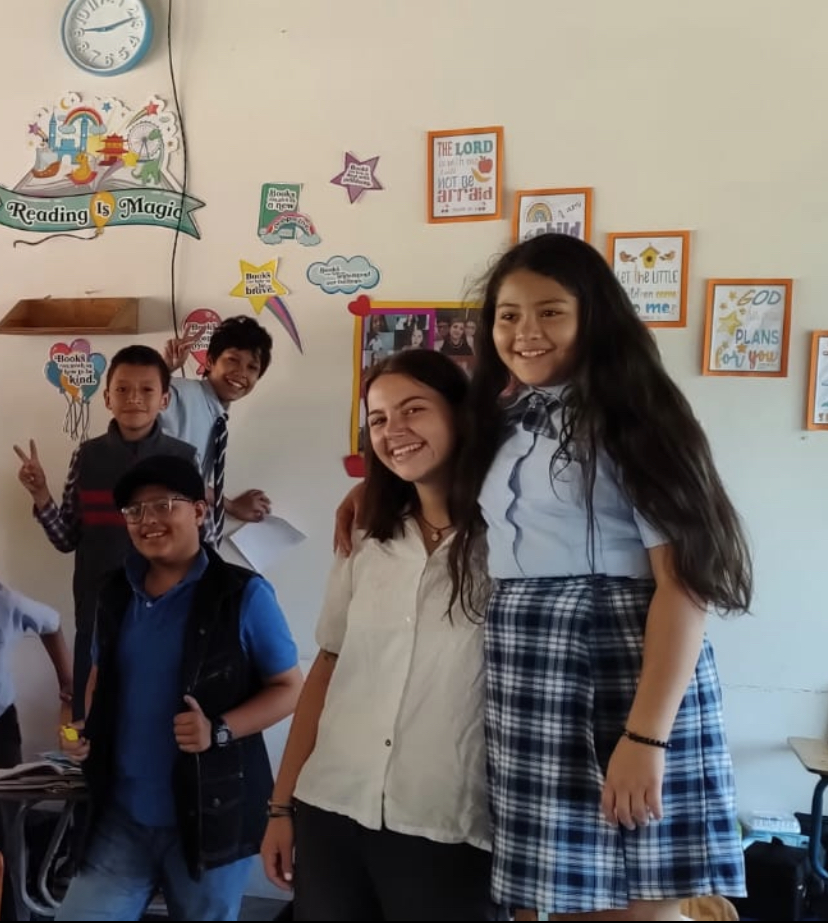
One of the most amazing aspects of my placement so far has been experiencing the diverse cultures. I am based in Yamaranguila, Honduras, working with a bilingual school organisation called Abundant Life Christian Schools. This experience has encouraged me to participate in local cultural celebrations, such as Fiesta Típica, Semana Morazánica, and National Teachers’ Day.
In these new environments, we have the chance to learn about a different way of life, helping us expand beyond our own cultural perspectives and develop a more inclusive worldview. As Volunteers, we form deep, lasting bonds with our communities. My experience is not only benefitting my local community through my work but is also a significant benefit to me as a Volunteer. I am gaining valuable life lessons in humility, empathy, and adaptability.
This experience with Project Trust is providing an invaluable opportunity for self-discovery. In just four months, I have faced challenges that have pushed me out of my comfort zone, such as overcoming language barriers and adjusting to a completely new culture. This experience is about forming new friendships with people from all over the world, whether they are fellow Honduras Volunteers, colleagues at the school, or Honduran locals. It’s about building connections with your community that will last for years to come.
Volunteering with Project Trust is one of the most important things I have ever done and probably ever will do. I know that this year away from home will change me profoundly, whether by shifting my worldviews, altering my opinions, or shaping who I am as a person. Through my teaching, I hope to make a positive impact on the community around me and leave a lasting mark. “
Written by Iona Catherine Imrie, Honduras Volunteer.
Iona’s experience captures the heart of volunteering, embracing challenges, building connections, and making a lasting impact. We look forward to seeing how she continues to grow and inspire others.
If you’d like to learn more about volunteering in Honduras take a look here.
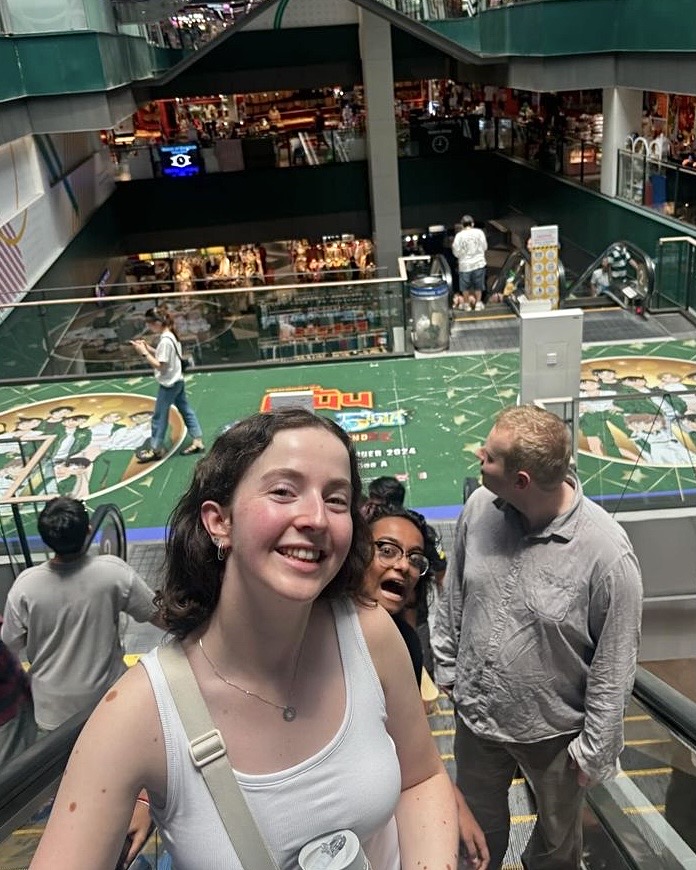
Oscar has been Volunteering with Project Trust in Thailand for 2024/25. Here he documents his feelings and experiences of leaving home for the first time.
“On the 12th of September, I woke up at my mum’s house for the very last time. My head was a whirlwind of excitement and “what-ifs.”
I tried to take it all in – one last look at the room where so much of my life had unfolded. My train to London was leaving Edinburgh Waverley at 7 a.m., and Alex, my best mate, had stayed over so he could give us a lift to the station. While Alex went to get the car, I faced the difficult goodbye with my brother, his girlfriend, and my sister. Somehow, I held it together, but even now, thinking about it makes my chest tighten. As I walked down the stairs of my mum’s flat for the last time, it all came flooding back – the sense of home I had always felt here. If those walls could talk, they’d have plenty of stories to tell, from the chaotic house parties I thought I’d gotten away with to the birthdays that filled the flat with laughter. But it was more than just those big moments. It was the comfort of coming home after a long day, the smell from the bottom of the stairs leading to my mum’s kitchen, and the way I could just be there without thinking about anything else.
When I got into Alex’s car, the silence felt heavy. If you know either of us, that’s a clear sign something’s up. We drove past streets I’d walked down countless times, but everything felt different this time. As my mum pulled my suitcase out of Alex’s car, I said my goodbyes to him. It was easier knowing he’d come to visit, but it was still hard to say goodbye. I really miss him already – no one gets me like he does; he’s definitely set the bar high for what a friend should be.
The train to London went by quickly. When we arrived, we headed to the hotel, dropped off our bags, and spent the rest of the day wandering around the city. It felt oddly familiar – London was a place my mum and I had spent a lot of time in over the years. Walking around, talking like usual, it almost felt like any other trip. But something was different this time. This wasn’t just a casual visit; London was only a stop on the way to something much bigger – Bangkok. The weight of that sat quietly in the back of my mind all day. We had dinner, but by the time we got back to the hotel, the nerves had really set in. As I lay in bed that night, the excitement I’d been feeling all day was mixed with anxiety. I was about to leave everything I knew behind, and the reality of it all was sinking in. Tomorrow wasn’t just another travel day; it was the start of something completely new. My mind wouldn’t stop racing, thinking about what was to come. Eventually, I fell asleep, but it wasn’t easy with the butterflies in my stomach.
Then I woke up, ready to catch the Tube to the airport and meet the other volunteers I was traveling with. Lindsay, my mum’s friend, who I call my second mum, came with us to the airport. Having her there reassured me, not just because my mum and I both have a terrible sense of direction, but also because I felt better knowing someone would be there for my mum. I knew saying goodbye would be hard for both of us, and having Lindsay with her made it a little easier. That was probably the hardest goodbye, not because it was worse than saying goodbye to my dad or siblings, but because it was the final one. My mum, like me, isn’t great at hiding tears, and seeing her like that made it even tougher.
Afterward, I met the other volunteers, and we headed through security. As usual, the airport was packed, but we managed to make it through. Naturally, we headed straight for a Wetherspoons breakfast like true Brits. After breakfast, we waited at the gate and then boarded the plane for Kuala Lumpur. The food was surprisingly delicious, but the turbulence was something else. It was so bumpy that it felt like the plane was mirroring how I was feeling inside – nervous, unsure, and full of ups and downs. We flew through several thunderstorms, and the turbulence was so bad that I didn’t sleep a wink.
So, when we finally landed in Kuala Lumpur, I was beyond relieved. Our connecting flight to Bangkok was much shorter, only about two hours, and before I knew it, we had arrived. At the airport, we met our country rep, Aydan, who had been a volunteer himself, so he knew exactly how we were feeling.
We arrived at the hotel, which was absolutely stunning, but in that moment, I was completely overwhelmed. The exhaustion from the long journey and the flood of emotions from all the goodbyes hit me hard. I decided to take a nap, hoping to clear my head and recharge. When I woke up, I felt a bit more grounded and joined the group for a beautiful dinner. The food was incredible, and I started to feel a sense of excitement creeping back in.
After dinner, we headed up to the bar on the rooftop of the hotel. The view was breath-taking, Bangkok’s skyline stretched out beneath us, a mixture of lights and sounds that felt almost surreal. As we clinked our glasses together, it started to sink in: we’d done it. We had raised all the money, packed up our lives, and left home. Standing there, surrounded by new friends, I felt a mix of pride and disbelief. We’d made it through the emotional rollercoaster of leaving, the nerve-wracking travel, and now, here we were, at the start of something so much bigger than any of us. It was a night of celebration, not just for making it to Bangkok, but for all the hard work and courage it took to get here.
The next day, we headed to a shopping centre to get SIM cards, which turned into our first real challenge with the language barrier. Thankfully, Google Translate came to the rescue. We split into two groups, and it still took our group of six nearly three hours to get everyone sorted. By the time we were done, we were absolutely starving, so we found a spot for lunch. I offered to cover the bill to make things easier, and everyone could transfer me later. When the bill came, we couldn’t stop laughing—it was only £16 for six meals and drinks! I felt like such a tight arse asking for the money back, but we had a good laugh about it.
The next morning, we headed off to Tha Ruae. I wish I could say everything’s been perfect, but it’s been a tough start. Since arriving, I’ve been pretty ill—two colds, constant toothaches that resulted in two teeth being pulled, a round of food poisoning, and the inevitable homesickness. Right now, I’m in Chiang Mai, and it’s such a beautiful city, so I’m hoping my luck turns around. Despite the challenges, I’ve already fallen in love with Thailand—the warmth of the people, the richness of the culture, and of course, the food. There’s something about this place that makes even the hard days worth it.
Our living conditions have been a bit of an adjustment, too. We don’t have a fridge or a proper shower, so it’s cold bucket washes and creative ways to store food. It’s not always comfortable, but it’s teaching me to appreciate the little things. Every day brings new challenges, but I’m learning to handle them.
As tough as it’s been at times, I’ve learned so much about myself and what I’m capable of. Thailand, with all its beauty and its challenges, has a way of pushing you, but it also rewards you. Even with all the ups and downs, I wouldn’t trade this experience for anything. I’m growing stronger, and I’m ready for whatever comes next. “
Ready to take on the challenge of leaving home to Volunteer internationally? Find out more about where you can go here.
As we close one chapter of our Volunteer year and eagerly begin the next, we’re reminded of the profound impact that volunteering with Project Trust can have, not just on the Volunteers themselves, but also on their families. Eddy and Caroline Pearce, parents of Martha, who volunteered in Ghana during 2023/24, offer a heartfelt reflection from a parent’s perspective, highlighting the transformative journey their daughter embarked upon and the lasting influence it had on their family.
“Martha Recently returned from 11 months teaching in Ghana with Project Trust. Her life has given me two emotional highlights. Her birth 19 years ago and then just a few weeks ago, when I was happy that she was sad.
It was her final week in Ghana, saying her goodbyes to the people, places, habits and emotions which had made it a home. Once left, it would never be the same. The bricks, mortar, tin roof, dusty yard, shady trees, and so many friends will still be there if (when!) she returns.
Her sadness lay in the thought of losing that intangible magic which makes a place home. True sadness can only exist once we have known true joy, and loss is so often a place from which growth begins. What Martha left behind in Ghana is not lost. It is a web of memories, of moments, of joy, now embedded in her as she continues to grow.
Having seen her there allowed me to be happy when I knew she was so sad, and to love that she had found a place which was home to her, but not to us. The most primal parental instinct is to protect their child, yet the strongest need of a child is to grow and develop the skills and resilience required to survive without the parental protection. Somewhere, sometime, somehow us parents need to learn to let go.
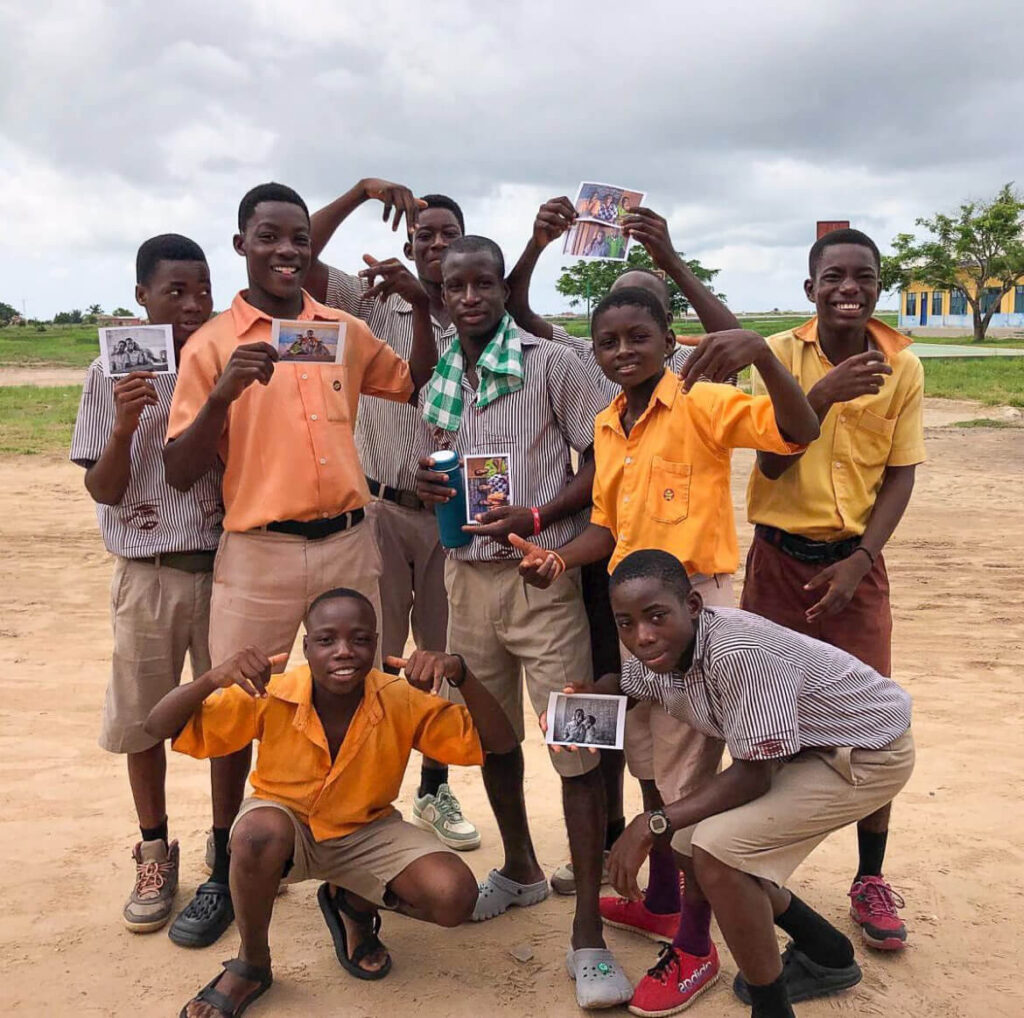
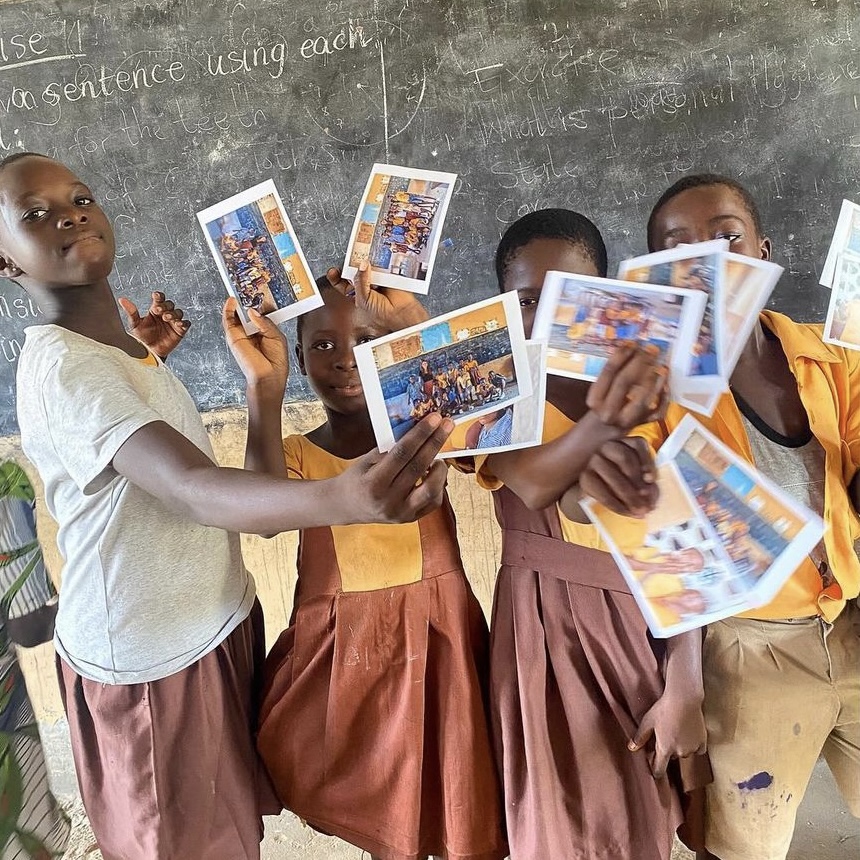
Whilst in Ghana, Eddy took portraits of the young people at the School. Martha then printed these out and one was given to each participant, many of whom had never had a printed photo of themselves.
Letting go is so hard, but indefinitely easier when there is a safety net. From day 1 we had the utmost trust in Project Trust to provide essential support but hadn’t anticipated how that solid foundation might nurture multiple safety nets. Lucy and Romilly, Martha’s project partners, have been soul mates beyond extraordinaire, and the wider group of Ghana PT Volunteers have been a fantastic and supportive network of friends, travel companions and social media commentators, keeping us connect to a home which isn’t ours. Our gratitude to that big gang, to those nets which enabled us to give the hardest gift and to let go, is endless!”
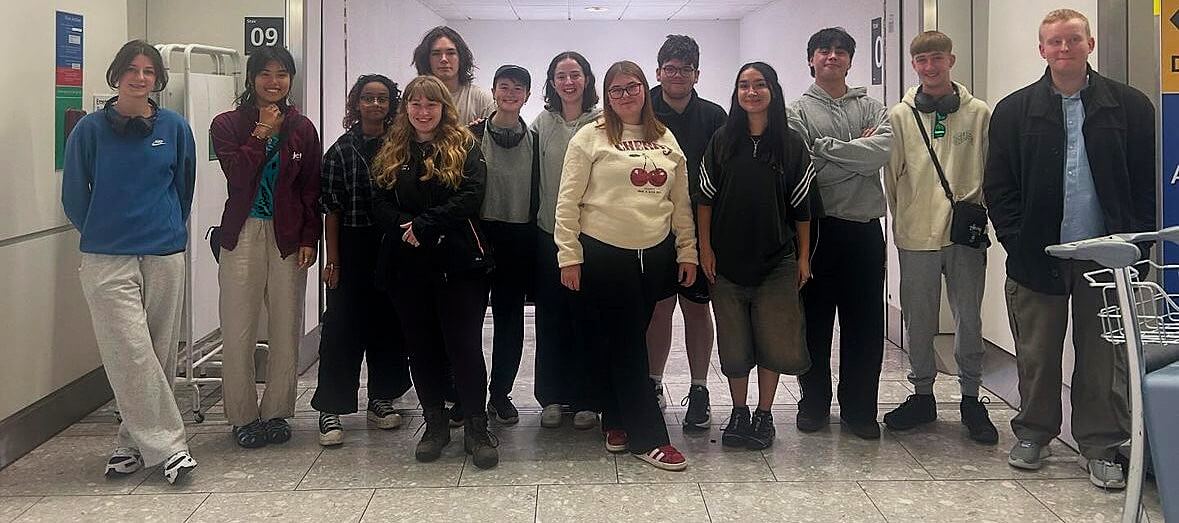
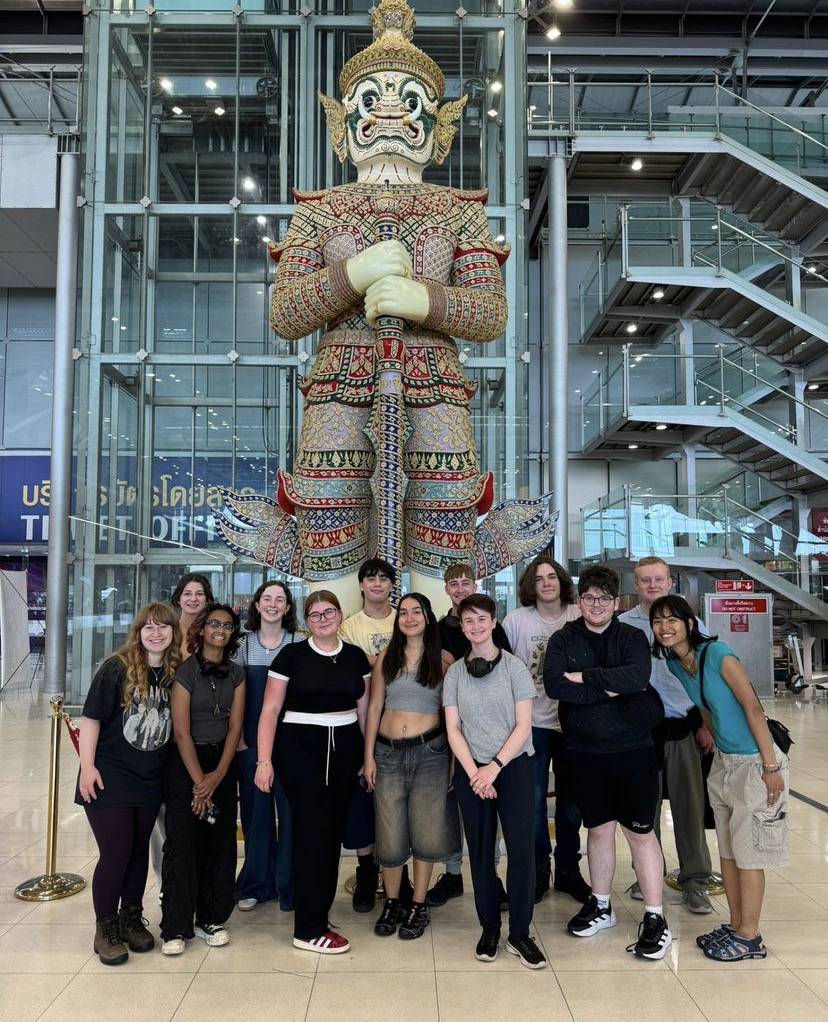
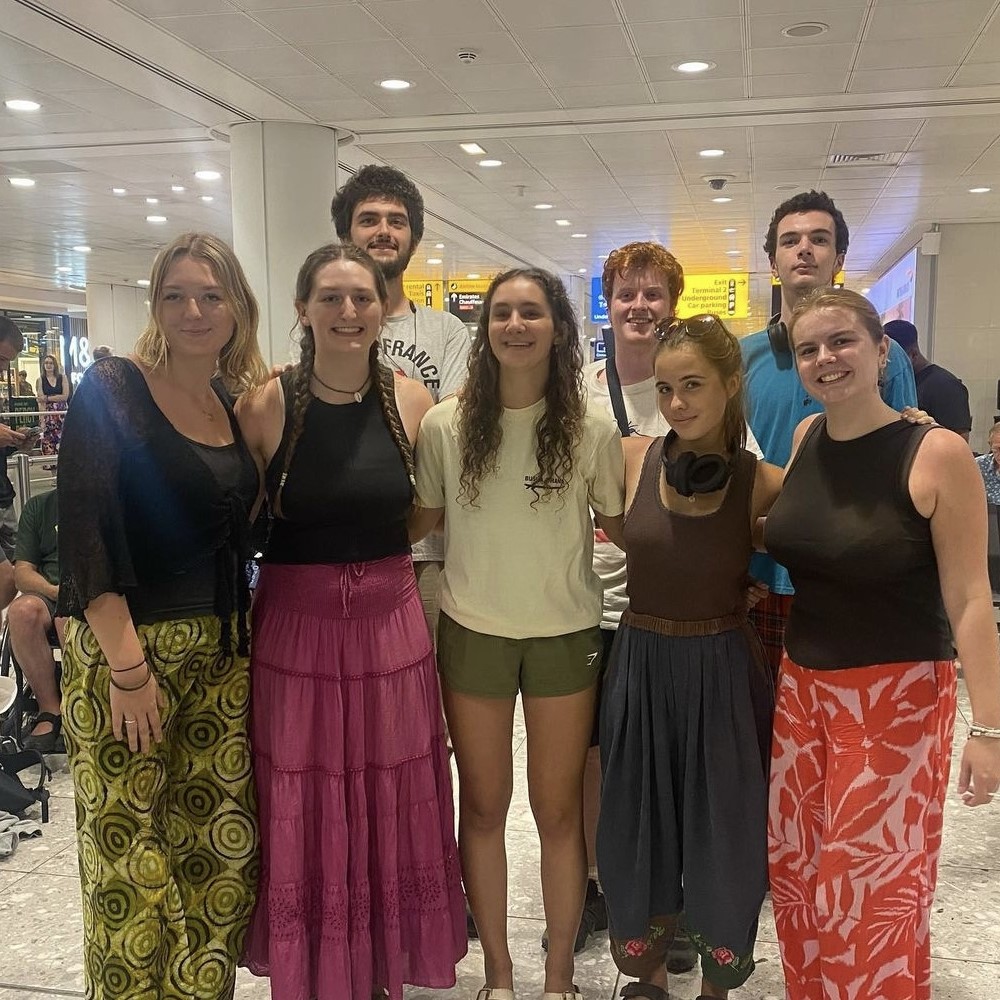
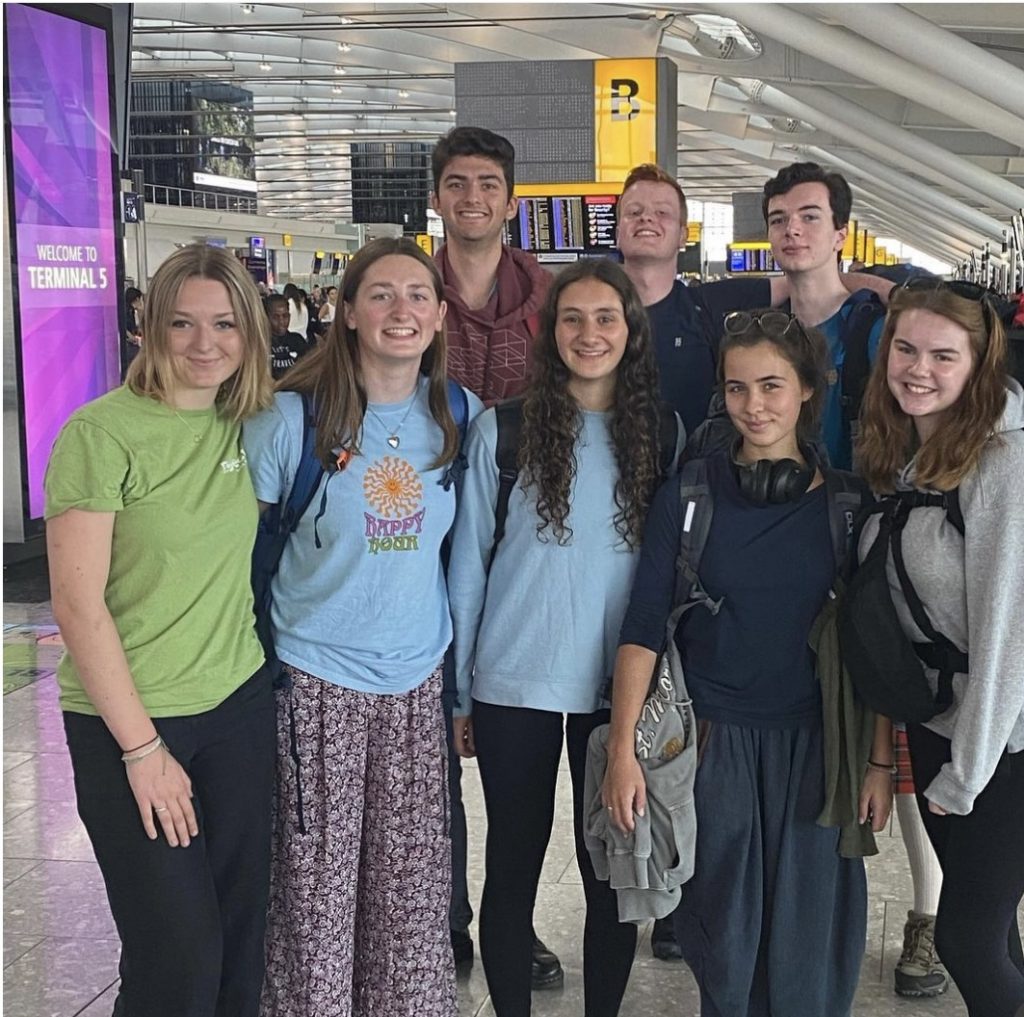
Ghana Volunteers at Heathrow upon their return to the UK in August 2024 (left) and at departure in 2023 (right).
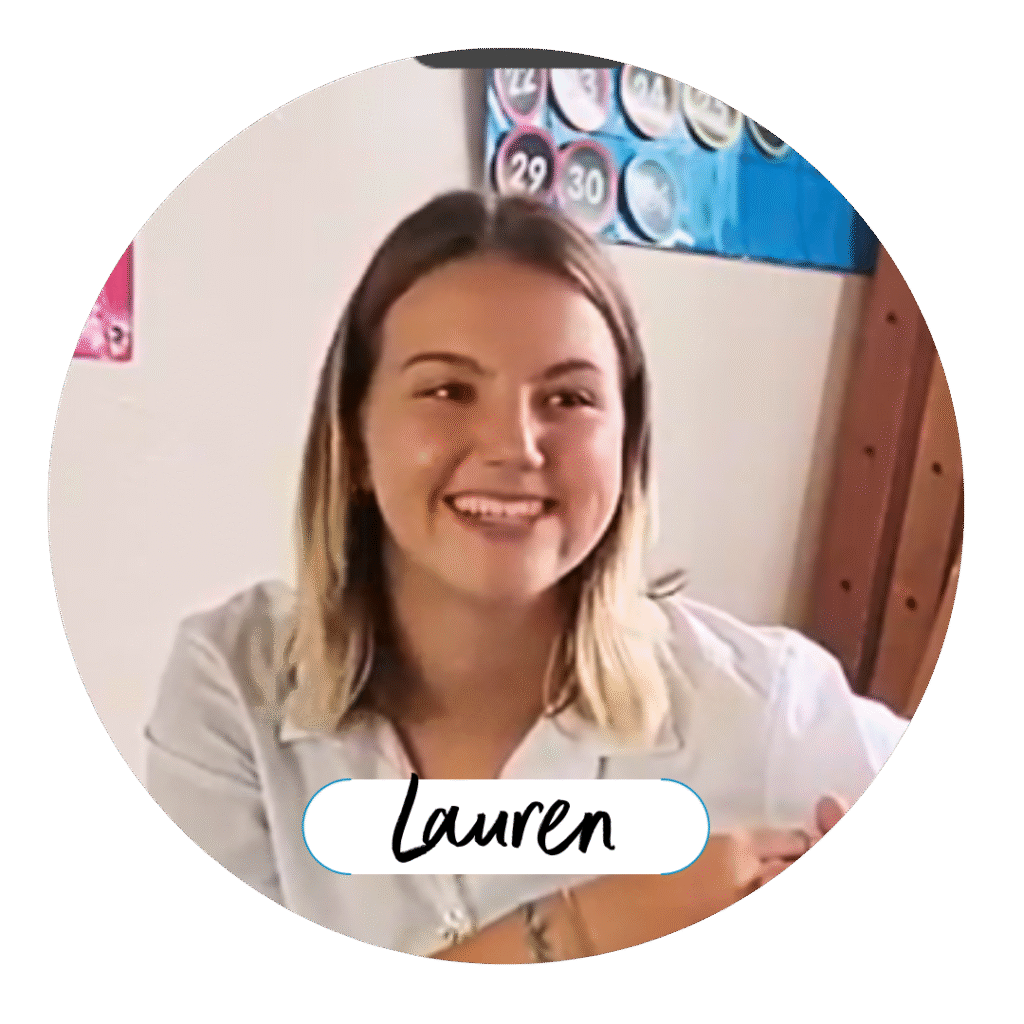
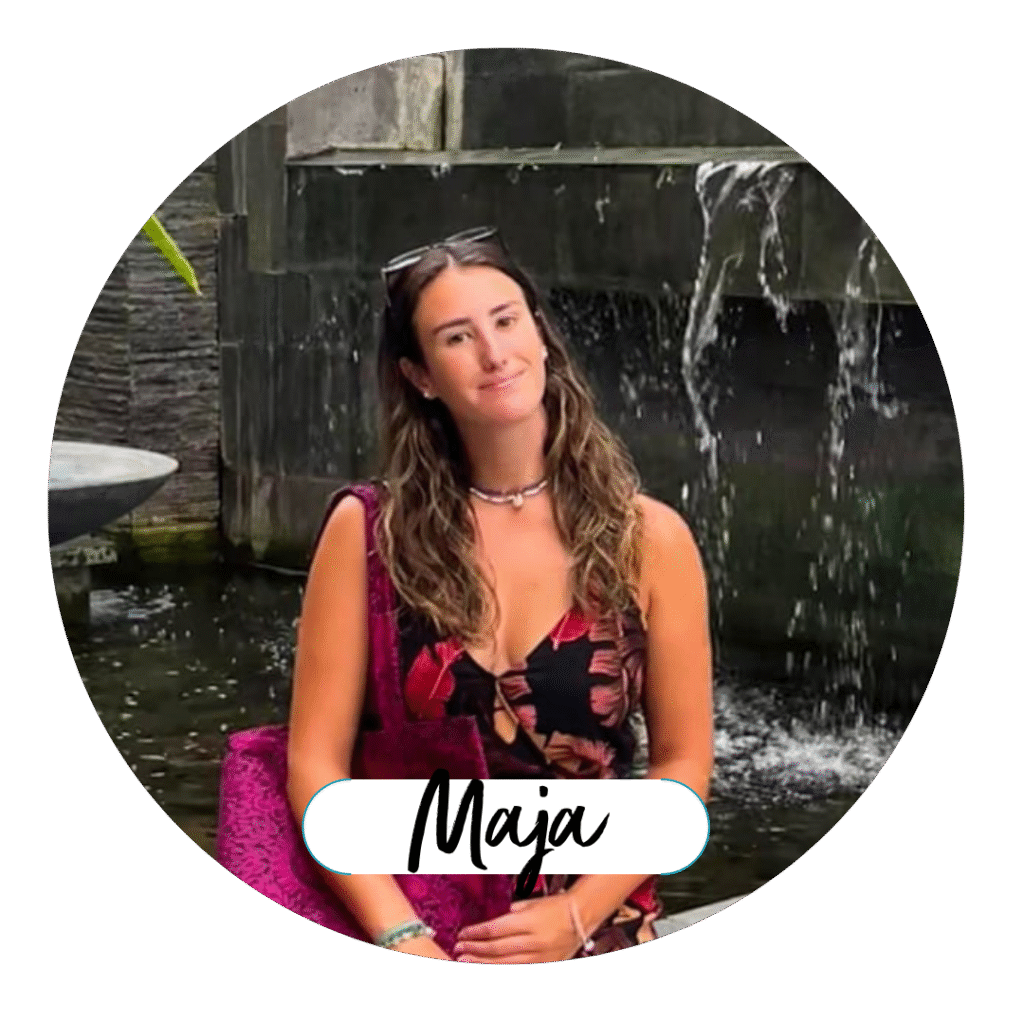
Lauren and Maja are two close friends from Manchester who both embarked on a life-changing adventure with Project Trust. Separated by thousands of miles, they dedicated a year of their lives to volunteering, one in Asia and the other in Central America. Despite the distance, their friendship has been a support as they have navigated new cultures, faced unique challenges, and made lasting impacts on the communities they have worked in. Join us as they share a little of how their bond has endured across continents.
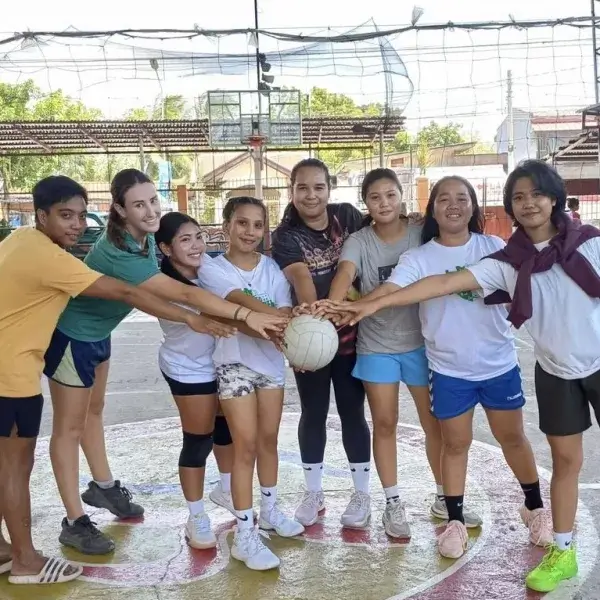
Lauren: I am in Gracias, Lempira, Honduras. I am teaching at a bi-lingual school in a really beautiful part of the country. Gracias is a decent sized town/city right next to Celaqué National Park (Highest point in Honduras!). I have had different roles during the year and at the moment I am teaching reading and spelling classes to 5th and 6th grade students. I have also been involved with the girls volleyball team and was the ping-pong coach last term.
Maja: I have been participating in a cultural immersion programme on Negros Island, Philippines and I’m about to be relocated to a project in Kep, Cambodia to teach English to students aged 3-17.
Did you know that each of you had applied for a year out with Project Trust, and what inspired you to apply?
Lauren: We were in an assembly in year 12 sitting next to each other in a talk from Project Trust. We were both interested in travelling and not enthused about going to University straight away. After the presentation we went up to talk to the speaker and went to another talk the next evening together and were both really set on applying.
Maja: We booked on the same Selection in summer 2019 and travelled up to it together. We both got selected- Loz for Honduras and me for Thailand. We did a big Ceilidh fundraiser together too! But then the plans couldn’t happen because of Covid. I went off to University and got wrapped up in it all and didn’t even think to consider Project Trust as an option as it was so many years away, so I just forgot about it. Then Loz got back in touch with Project Trust which inspired me to do the same and see what options were available and see it through!
How have you kept in touch through the process and has it been nice knowing someone familiar is also going through some of the same new experiences?
Lauren: We’ve kept in touch through online messages and calls. It’s been fun to hear about Maja’s time in a different country, especially because we both thought it wasn’t really going to happen after the pandemic. It’s nice because we had that shared experience on Selection together that we both loved so much. It’s good to talk about our experiences with someone else who understands how Project Trust works and what happens.
Maja: It was really nice to have that shared experience on Selection l and it felt strange going back for Training without Loz (I opted for the shorter programme). It was quite nostalgic and in lots of ways a very different experience doing it alone.
Has there been any situations where you have reached out to each other for support?
Maja: Since I left after Loz on the shorter 8 month programme I definitely reached out a lot in the few weeks leading up to my January departure since she had already experienced all of that in August. It was super helpful to have advice from someone who had experienced all the emotions and preparations involved in such a big change in environment.
Lauren: It’s nice to talk to each other about living in a country with a different culture to the UK for a long period of time because there are definitely some shared experiences. We also have in each other someone who is part of the Project Trust experience but also a part of life at home. I messaged Maja lots during training and sent her photos of Oban and Coll that brought back nice memories for us both!
How have your experiences differed?
Maja: I’ve had a very unique Project Trust experience as I started out in the Philippines and then was relocated to a project in Cambodia. It has felt a bit tough at times as it felt like I was restarting my experience all over again. In Cambodia it will be my first time teaching English with Project Trust, whereas Loz has been teaching for much longer, so I’m sure I will be asking for lots of guidance in that department!
How do you think this shared experience will affect you going forward?
Maja: I think we are both forever changed by our experiences and will reminisce together for many years to come. It’s comforting to have each other when we return to Manchester and to be able to support each other in the move back home and in our next steps as adults.
Lauren: I think it’s definitely going to be comforting going home too knowing that Maja has had a similar experience being away for a long time. It’s daunting at the moment the thought of going back to the UK after such a long time getting used to normal life in Honduras. I think Maja and I will always have Project Trust as something we’ve shared together. To have someone I can talk to who understands and will be in Manchester with me is going to be so nice. We are excited to spend time together and hear about each other’s experiences.
Want to find out more? Visit our Latin America or Asia pages for more information. If you are interested in Volunteering with us you can Apply Here.
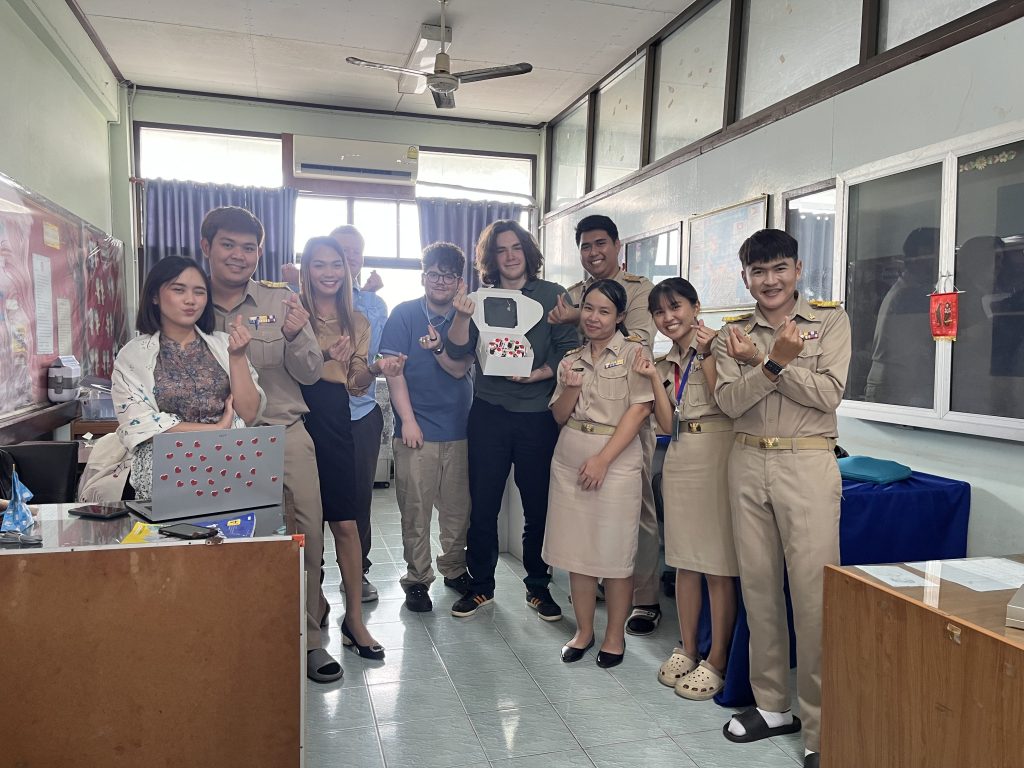
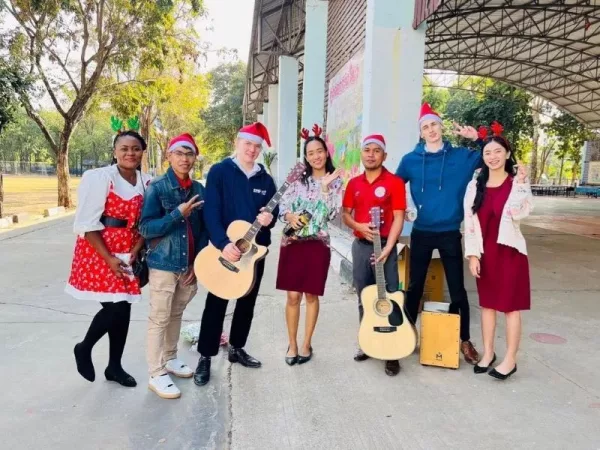
As a Volunteer in Thailand, I found myself immersed in a vibrant tapestry of culture, language, and traditions. Yet amidst the bustling streets and beautiful, scenic, landscapes, it was the universal love for music that harmonised my experiences from The Highlands of Scotland with my home away from home.
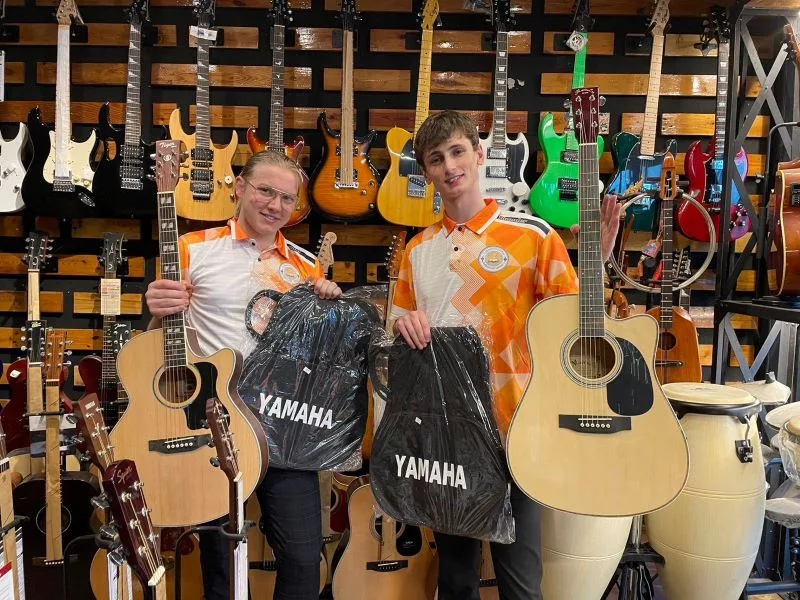
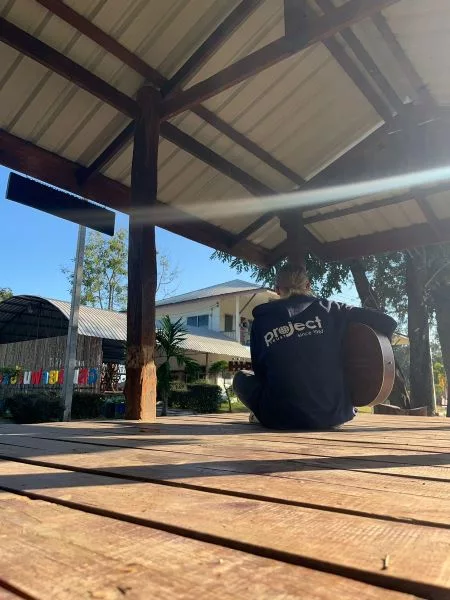
From traditional Ceilidh music (on the fiddle) or Scottish Folk Rock (on the guitar) or even just a bit of Burns poetry – these are all ways I have shared my passion and stories about my home with the amazing family I have found myself a part of in rural Thailand. Especially at celebrations and parties, I find myself playing music with friends and trading stories through songs until the early hours of the morning. I’ve enjoyed playing Flower of Scotland, Loch Lomond, Scotland the Brave and of course, Auld Lang Syne. I had the pleasure of bringing in the bells on New Year’s Eve with my friend T.Soo (the music teacher at school) and his family. We shared a particularly Scottish moment, and all sang along as I played Auld Lang Syne on the guitar.
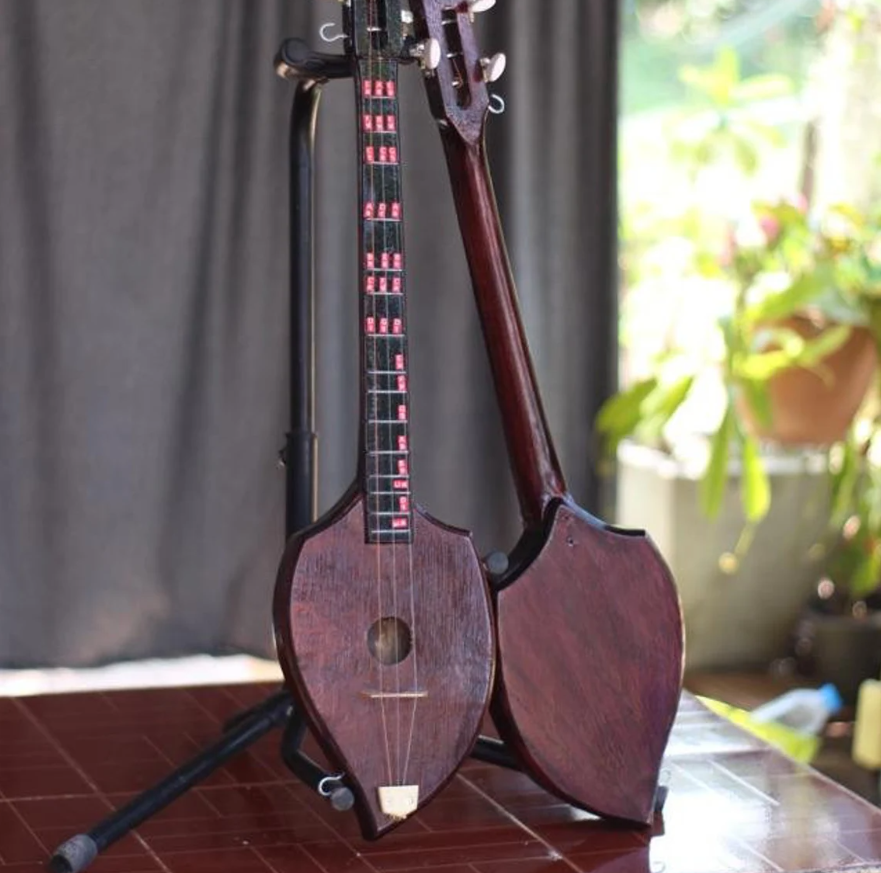
Having recently bought a violin from Chum Phae, I have been teaching friends the Scottish fiddle and in return they have taught me the Thai Phin. The Thai Phin is a traditional instrument in north eastern Thailand.
Amid preparing for the upcoming English exams at school, I have also been practicing playing the Thai Phin with my fellow teachers at Baan Faidinsor, which has been a great way to connect and share stories. My friends here in Thailand have noticed my passion for sharing music from home and as a result, I have been asked to perform at my friend T.Aum’s wedding later this month. This will be my first experience of a Thai wedding and while there will be lots of traditional elements, I will be bringing some Scottish stories to the event by playing the fiddle. I am very humbled to have this opportunity and it really reaffirms how music is an integral part of both Thai and Scottish culture.
Being able to teach students and fellow teachers about traditional Scottish music and learn traditional Thai music in return has been a wonderful new experience for me. I’m just so glad this exchange of storytelling is in a language I understand – notes, chords and songs.
Learn more about what it’s like to Volunteer in Thailand by visiting our country page here.
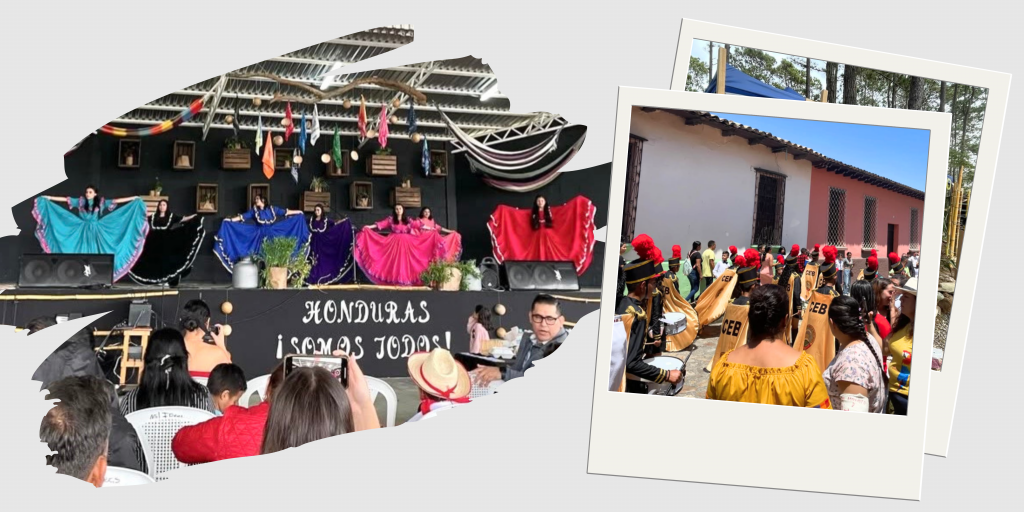
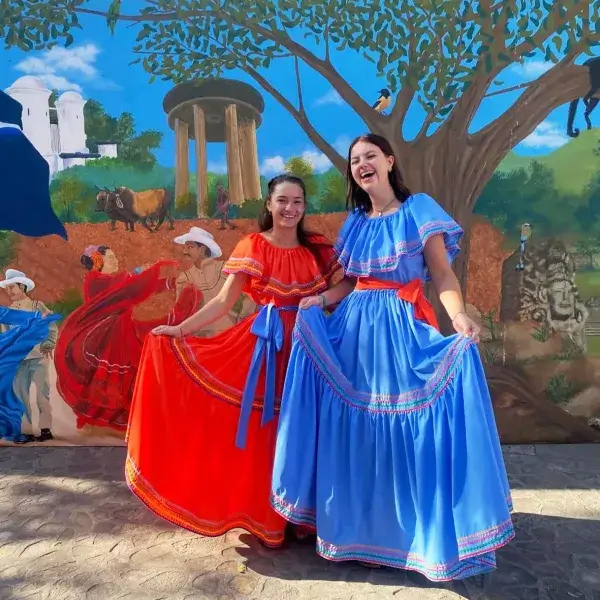
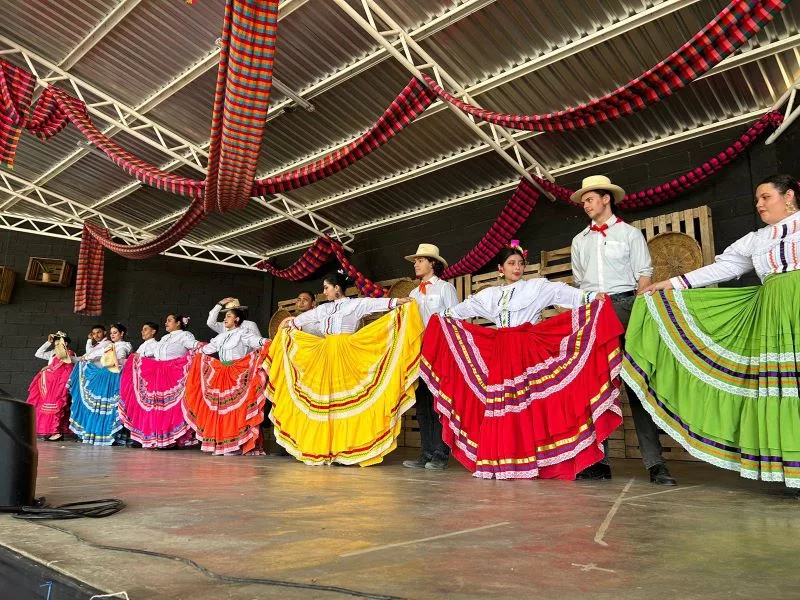
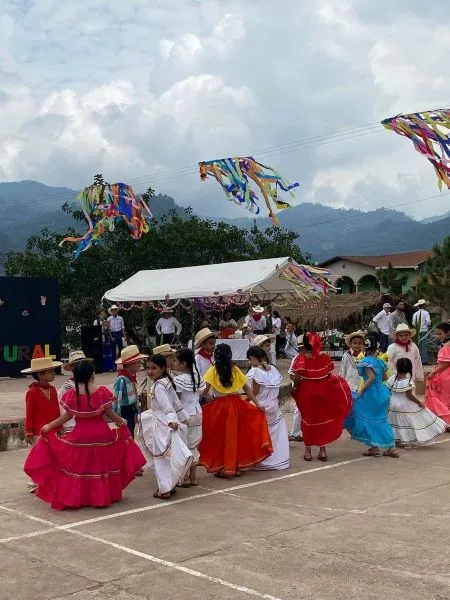
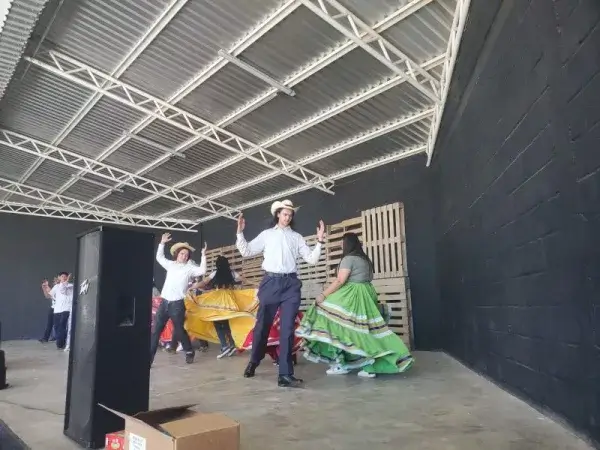
Fiesta Típica is a performance produced by Abundant Life Christian School which essentially acts as a fundraiser for the school. Families of the attending children come and enjoy traditional Honduran food and entertainment. Rory and I took this as an opportunity to throw ourselves into the local culture. We participated in the teacher’s dance, with each grade in the school practicing and performing their own dance. This ranged from the youngest, who brought the cute factor, to the oldest, whose coordination was genuinely impressive. We the teachers, however, were somewhere in the middle: not impressive but entertaining (though I’m still proud because we only had a total of four led practices).
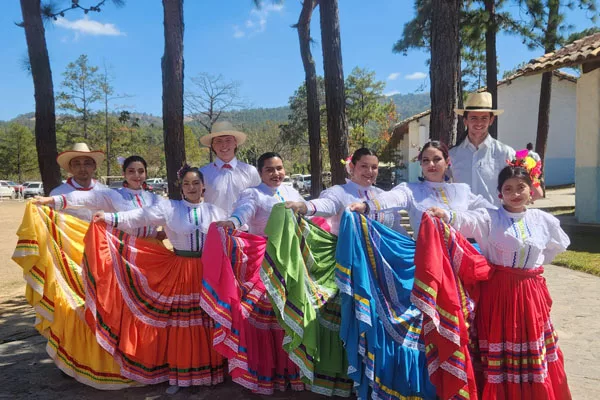
The outfits are very elegant. Women wear colourful dresses in beautiful shades of pink, yellow, orange, green and blue with eye shadow to match. For the men it’s a bit simpler, donning a smart shirt, traditional straw hat, and bandana.
The dance itself really emanates the culture. There’s a clear Spanish influence in the movements and look of it all, yet with an added elegance. It’s full of footwork and small movements (which I cannot claim to have mastered) that are representative of Hondurans’ desire to show a more graceful side of the country. It’s the kind of dance that you can perform in a place absent of lavish backdrops or designs as your eyes are drawn only to the mesmerising style and pride of each movement. This made it very fun to learn and I enjoyed being shown how to be more precise and confident in the smaller movements, compared to the wilder Scottish dances I’ve grown up with.
Fiesta Típicaisn’t just about sharing stories of a collective Honduras through dance, art, and song but also a way in which each region of Honduras gets to tell their individual story.
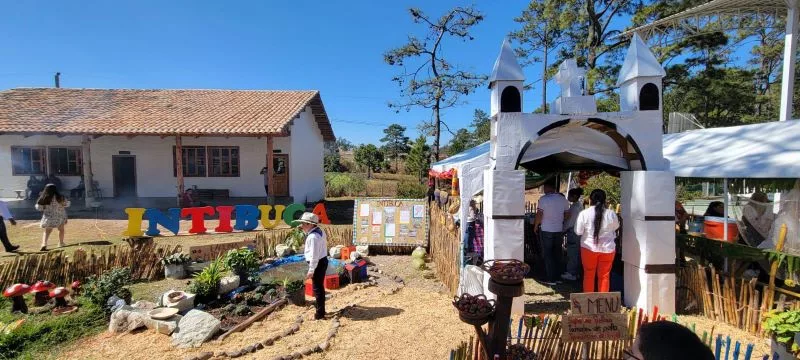
Parents of scholarship students were responsible for setting up different ‘stalls’ during the day. All the stalls had a theme and sold different things, such as Baleadas and Papusas, to reflect the local style of each region in Honduras. Each team went to great lengths to prepare their stalls and the area quickly became animated with stories from Intibucá, Santa Barbra, and Santa Rosa. To illustrate just how much effort went into these stalls, imagine me, sleeves rolled up getting hands-on with a pickaxe in order to help dig a moat to fill with water and fish, representing team Santa Rosa. There was also a costume beauty pageant with the most dazzling outfits of all secondary grades, decked out in jewellery and animal skins representative of different localities.
Being able to tell stories of Honduran culture through traditional dance and iconic dress will be something I will remember for the rest of my life. With great pride, I have been able to add it to the list of traditional dances I have learned alongside American Swing, Salsa, and of course my native Highland ceilidh. As a plus, the money earned on that day is currently being invested into new projectors for the school, with the goal to have one in every class. In a school of over 500 students, this will have a huge impact and Fiesta típica2024 can be named a major success.