• Our Christmas Campaign

    Our Christmas Campaign

    A huge thank you to everyone who entered our Christmas Raffle this year. Your generosity and support have helped us raise £26,966 and we couldn’t be more grateful!

    We’re especially thrilled to share that, thanks to the funds we raised, we are launching our first ever fully-funded placement in 2026. An incredible milestone made possible by our generous supporters and trust who match funded all Day 1 ticket sales.

    11–12 December
    You’ll receive your raffle tickets via email. Be sure to check your inbox (and your spam folder, just in case!).

    Tuesday 16 December
    We’ll be announcing the raffle winner and the runner-up prize recipient on our social media channels and right here on this page.

    Here’s a quick reminder of the incredible prizes we have on offer..

    Main Prize

    £1,000 towards flights to a destination of your choice*

    Your dream escape awaits, you might be the lucky winner who could turn this Christmas into the beginning of a trip of a lifetime.


    *Excludes any destination the FCDO advises against all or essential travel.
    This prize can cover multiple tickets for one or more travellers. Flights must be booked through Project Trust by 30/09/2026.

    Runner-Up Prize

    A two-night luxury getaway at the historic Hever Castle
    This exclusive prize is reserved for those who entered via our Early Bird link, a perfect chance to unwind in a truly magical setting, once the family home of Anne Boleyn .

    With Special Thanks

    A huge and heartful thanks goes to the following:

    Our Day 1 Match Fund Supporters:

    Souter Charitable Trust, The Jeremy Willson Charitable Trust, Ben St Joseph Trust, Robbie Robertson, The Anson Charitable Trust, The Janelaw Trust, The Allan & Nesta Ferguson Charitable Trust

    Our Big Give Pledge Supporters:

    Cray Trust, The Alchemy Foundation, Ivor Dunbar

    Our Champion Funder:

    The Reed Educational Trust Ltd


    Want to Become a Regular Supporter of Project Trust?

    Your ongoing support helps us continue creating meaningful, life-changing opportunities for young people around the world. If you’d like to make a lasting impact, here are ways to become a regular donor:

    • Set up a monthly donation through our website.
    • Sponsor a placement, helping ensure more young people can access global volunteering opportunities.
    • Encourage workplace giving or payroll giving through your employer.

    Every recurring gift—big or small—helps sustain our mission and future placements. Thank you for considering ongoing support.

  • From Classroom to Confidence: Jamie’s Year Volunteering in Thailand

    From Classroom to Confidence: Jamie’s Year Volunteering in Thailand

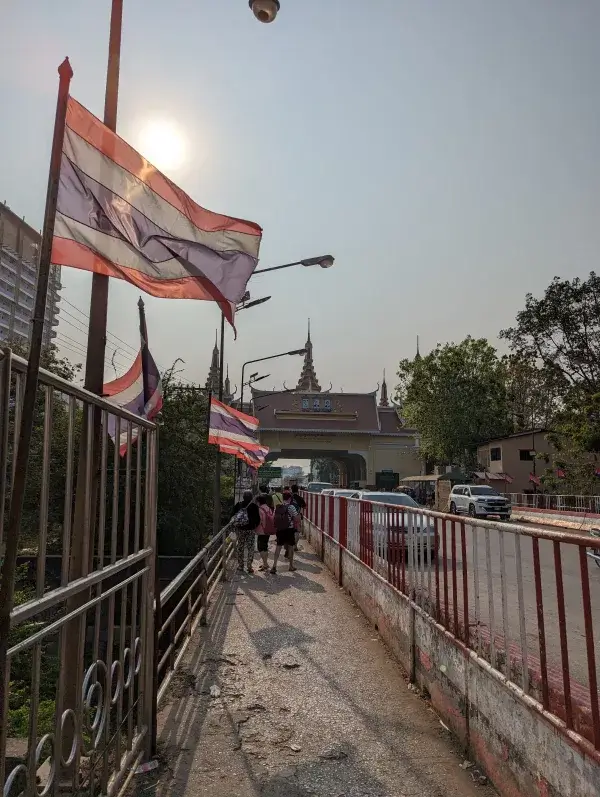
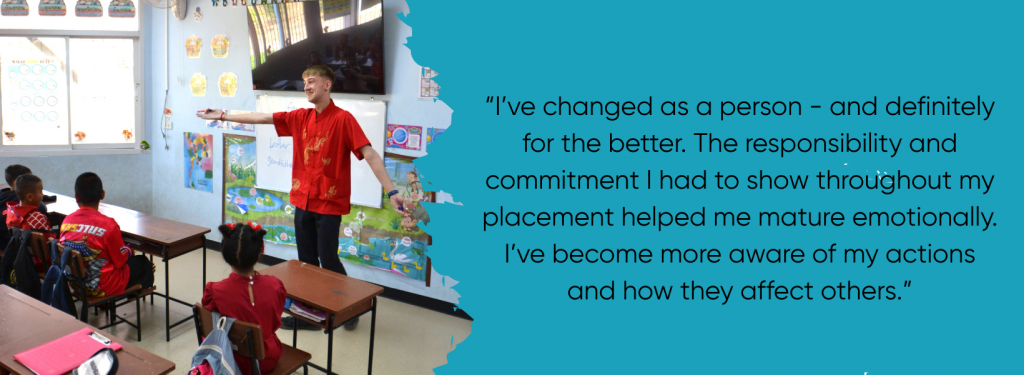
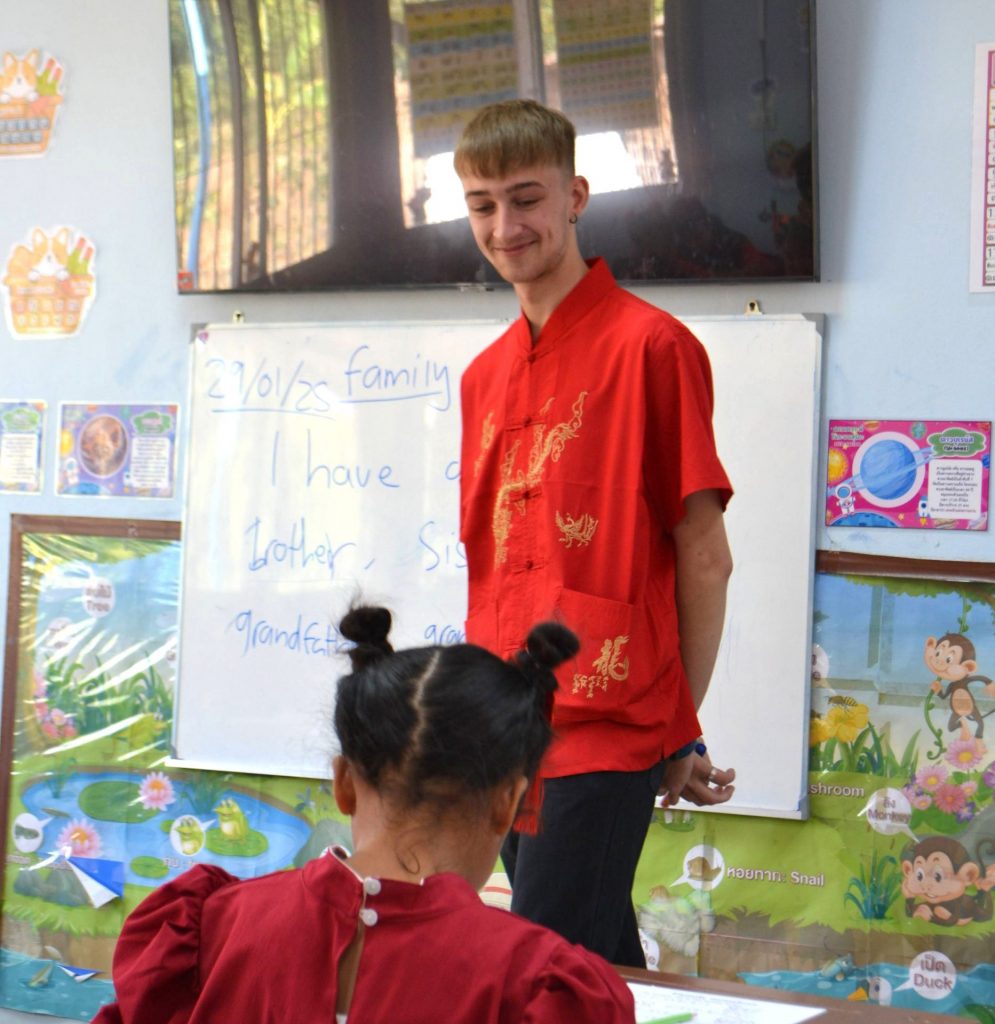
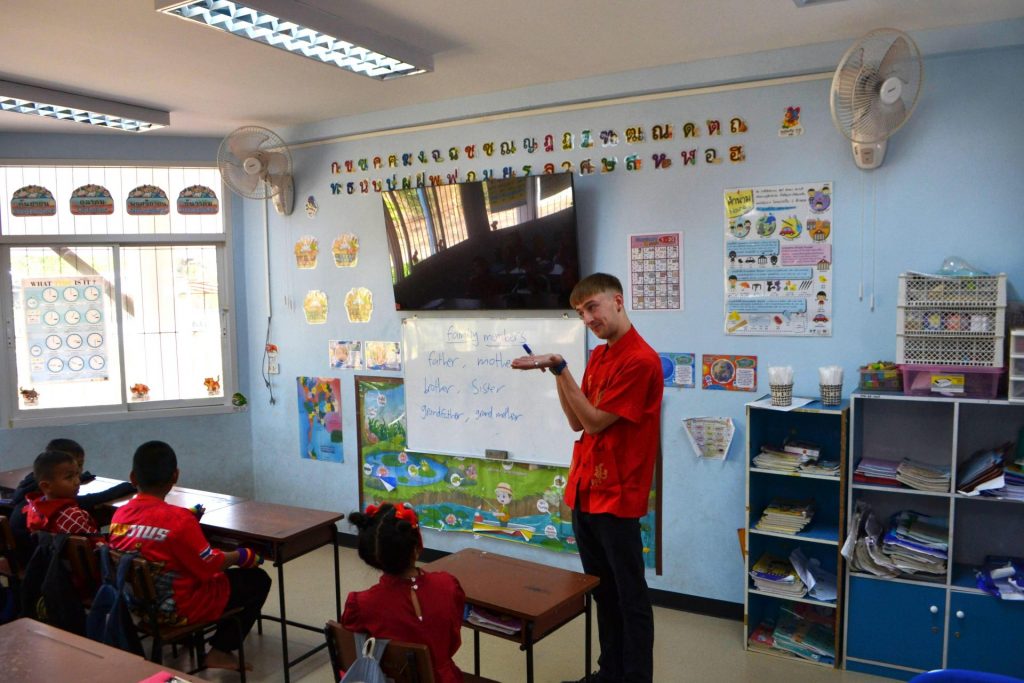
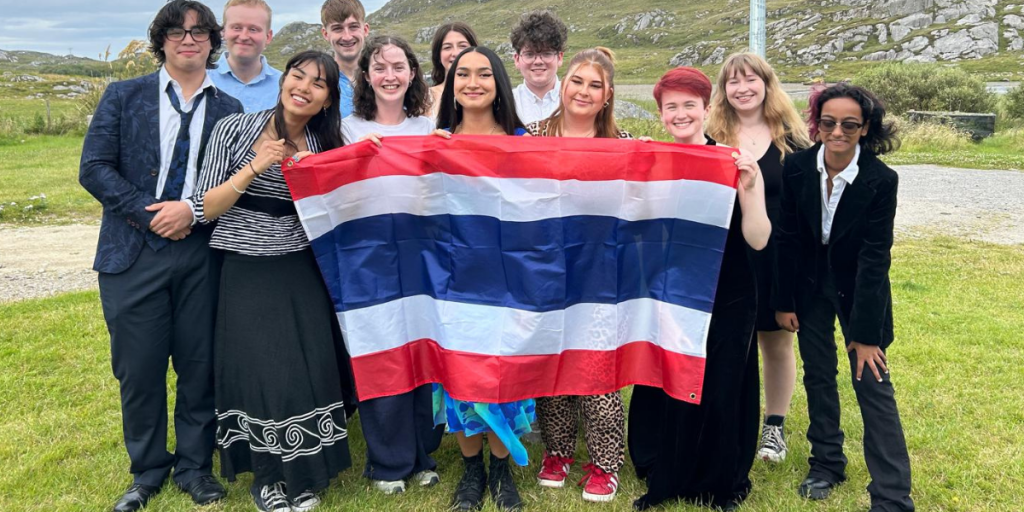
    When Jamie travelled to Thailand with Project Trust in 2024, he didn’t just set out to teach English, he set out to learn. A year on, he reflects on how his experience has shaped him, what he learned from his students and community, and how it’s influenced what comes next.

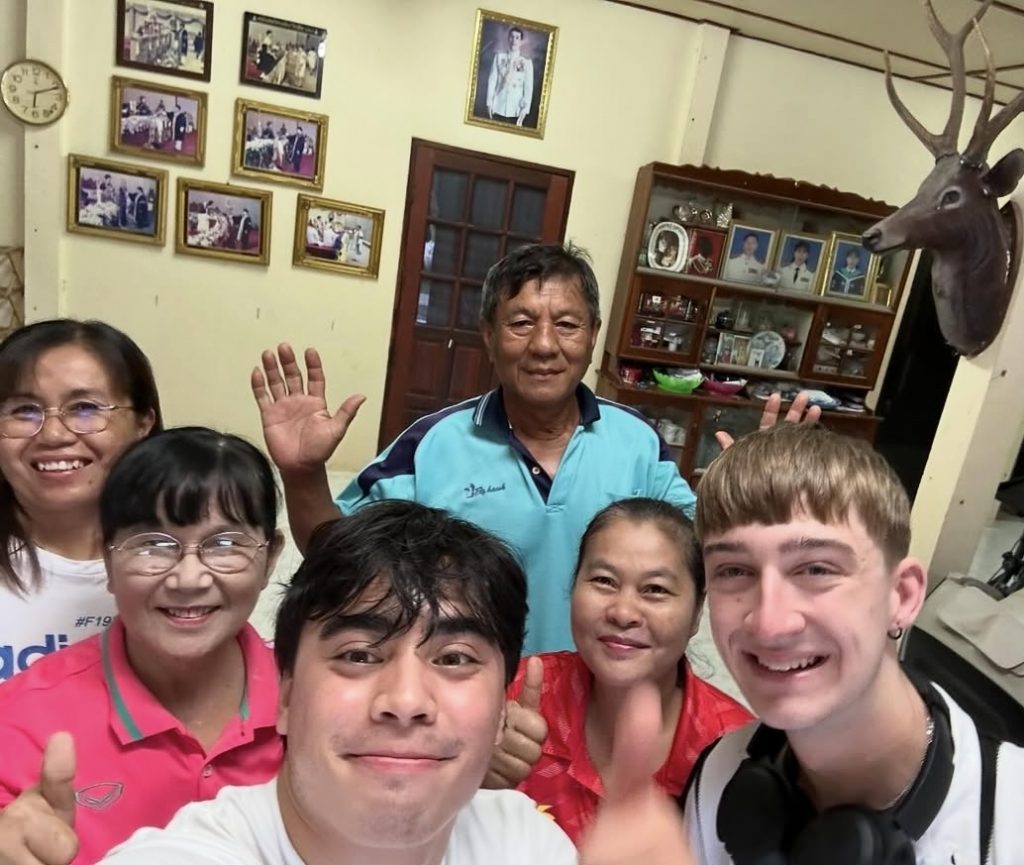
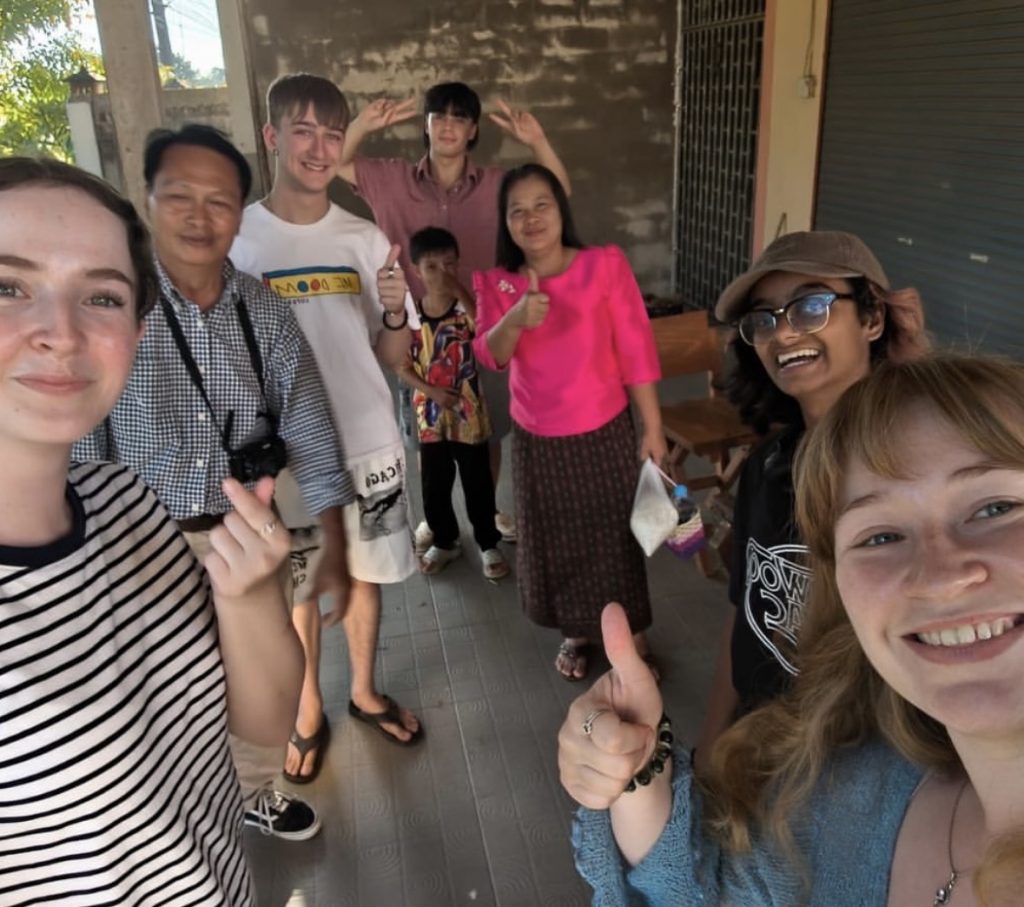
    Living and working in a small Thai village opened Jamie’s eyes to new perspectives and ways of life.

    “I’ve met people with completely different world views,” he explains. “Having conversations that challenge how I think about things has been so valuable. Coming to a different country and being thrown into an unfamiliar environment really made me learn to adapt, respect, and embrace new ways of doing things.”

    For Jamie, the most meaningful part of his year was the connection he built with his students.

    “Seeing the progress the kids are making is incredibly inspiring,” he says. “Watching their English improve and knowing I have played a part in that gave me such encouragement. Building those connections has been really special.”

    Communication was a challenge at first, but one that taught him some of the most lasting lessons. “Very few people in my village spoke English,” Jamie recalls. “So I had to find other ways to express myself paying attention to my tone, emotion, even using technology to get my point across. My confidence grew so much. Being the only white person living in the village was a big thing to overcome.”

    Alongside practical teaching skills, Jamie says the cultural lessons he learned will stay with him for life.

    “Thai people are very dedicated, they work hard and take real pride in what they do. Everyone has their responsibilities, and they do them with such commitment. It’s something I really admire and hope to bring into my own work in the future.”

    From Thailand to Technology

    After returning from Thailand, Jamie decided to take a new direction.

    “I chose to go into an apprenticeship in IT rather than university because that style of learning suited me more,” he explains. “I was a bit worried about finding a placement as I didn’t do the best in my A Levels, but that fear disappeared quickly as I had several interviews within a few weeks of coming home.”

    In one of those interviews, Jamie discovered an unexpected connection.

    “The Chief Security Officer of the company I was interviewing for had also done a gap year in Thailand when she was younger,” he says. “That gave me a real boost of confidence in the interview and a few hours later I got the call saying I’d got the job. It was such a relief.

    Jamie’s new apprenticeship has already given him the chance to put his volunteering skills to use.

    “My year out definitely helped my confidence levels and my readiness to speak to people I wasn’t familiar with, ” he says. “It also did wonders for my communication skills – learning how to articulate my ideas clearly was essential in Thailand, and that’s carried through to my job now.”

    Looking back, Jamie believes his Project Trust experience was a key factor in securing his apprenticeship.

    “In my case, my gap year might have been the difference between getting the job and still looking,” he reflects. “My boss had done something similar to Project Trust so knew the kind of person you have to be to complete one. Even just having it on my CV helped get my foot in the door.”

    Jamie’s story shows how a Project Trust placement goes far beyond a year overseas — it builds resilience, adaptability, and the confidence to take on new challenges. From the classroom in Thailand to the start of a new career in IT, his experience is a reminder that the lessons learned through volunteering can open doors for years to come.

    Learn more about Volunteering in Thailand here.

  • Volunteering in Honduras: Dylan’s Experience with Project Trust

    Volunteering in Honduras: Dylan’s Experience with Project Trust

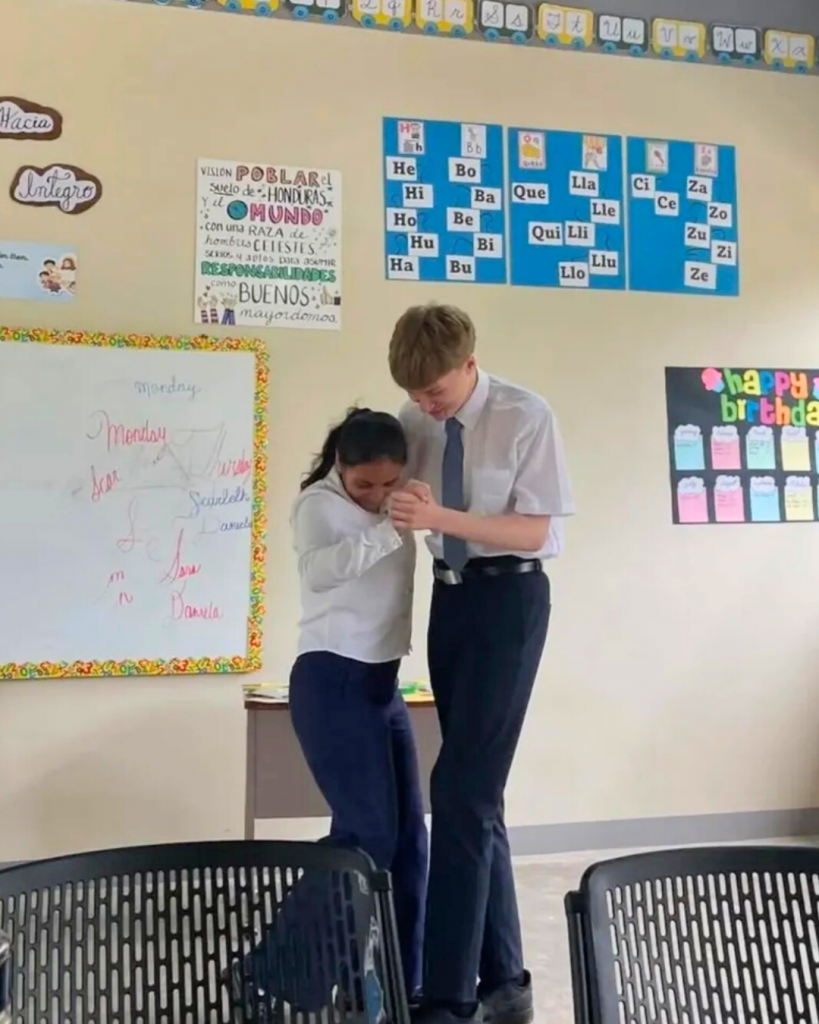
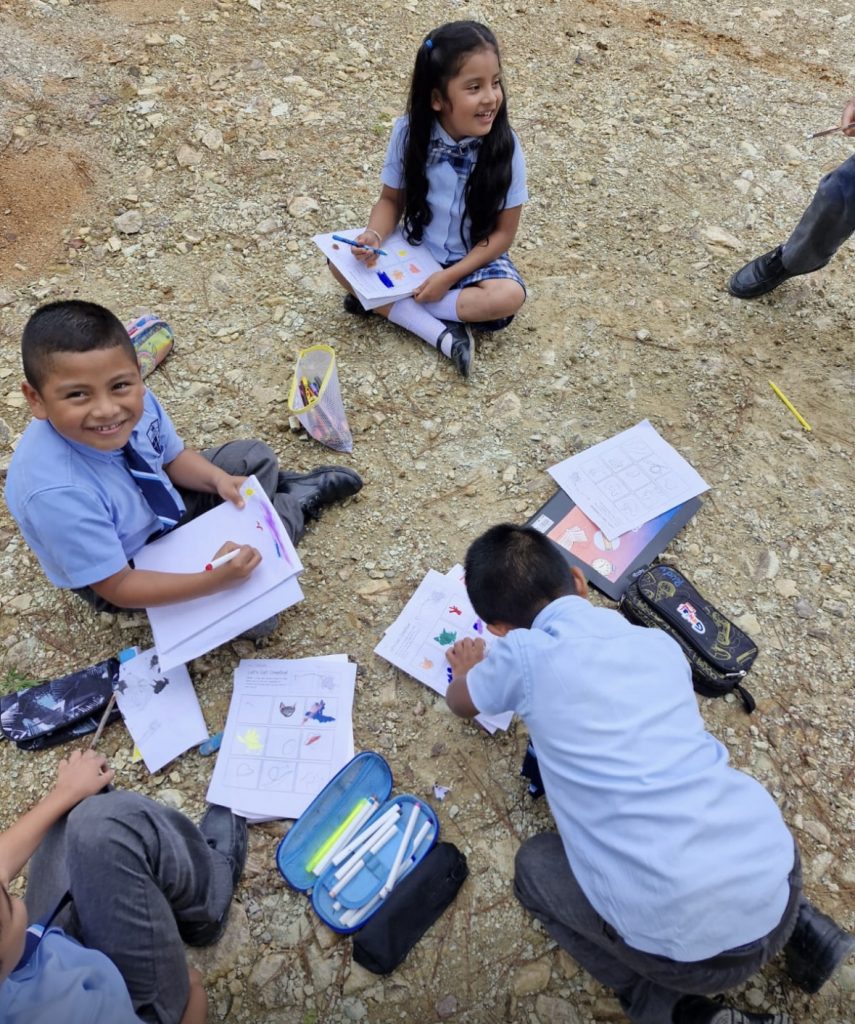
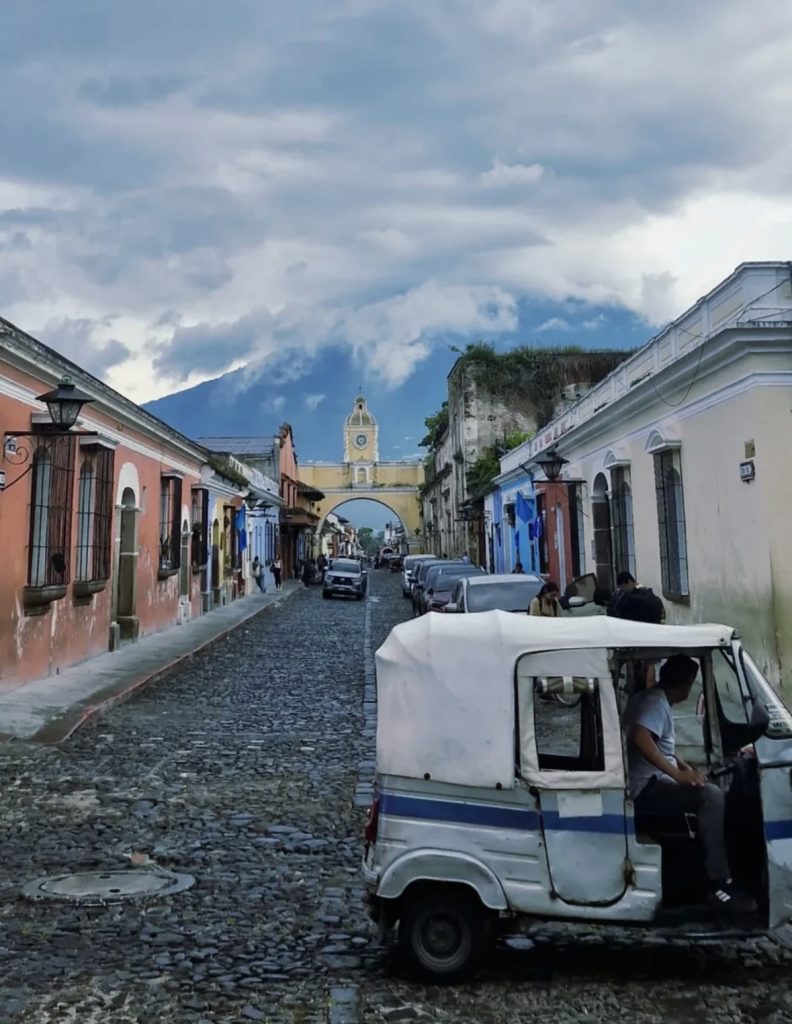
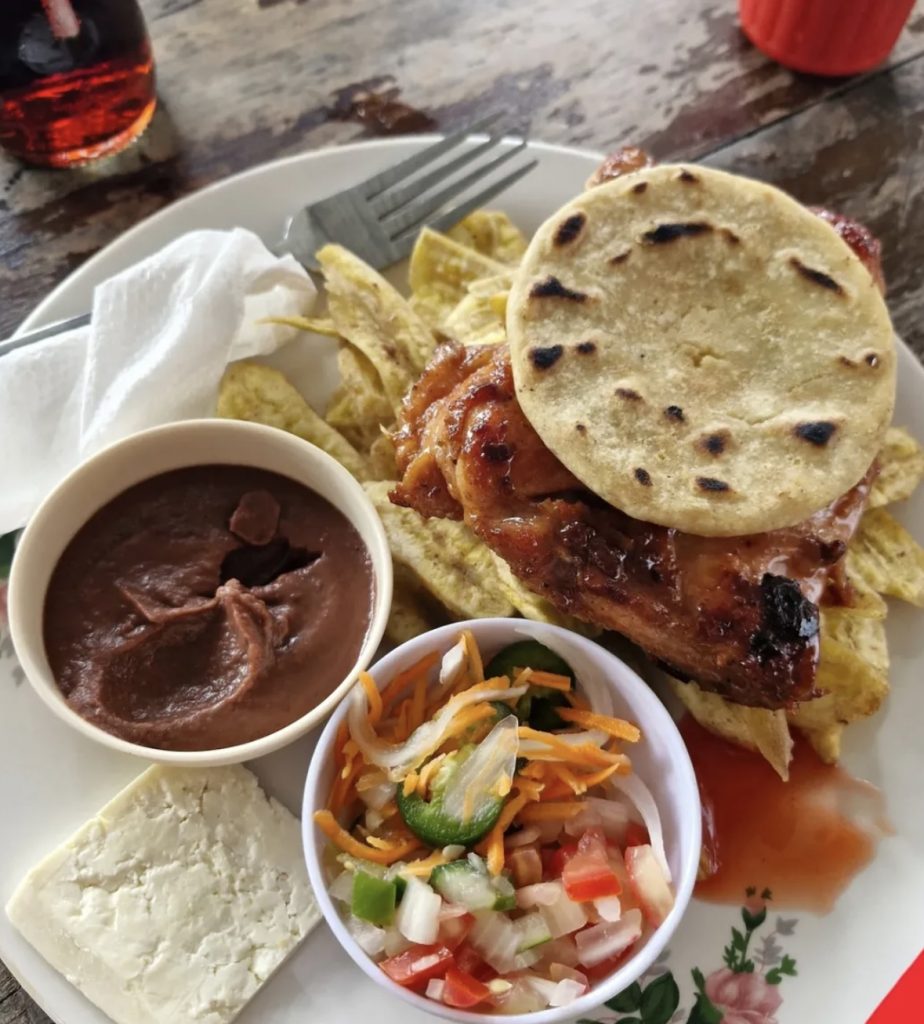
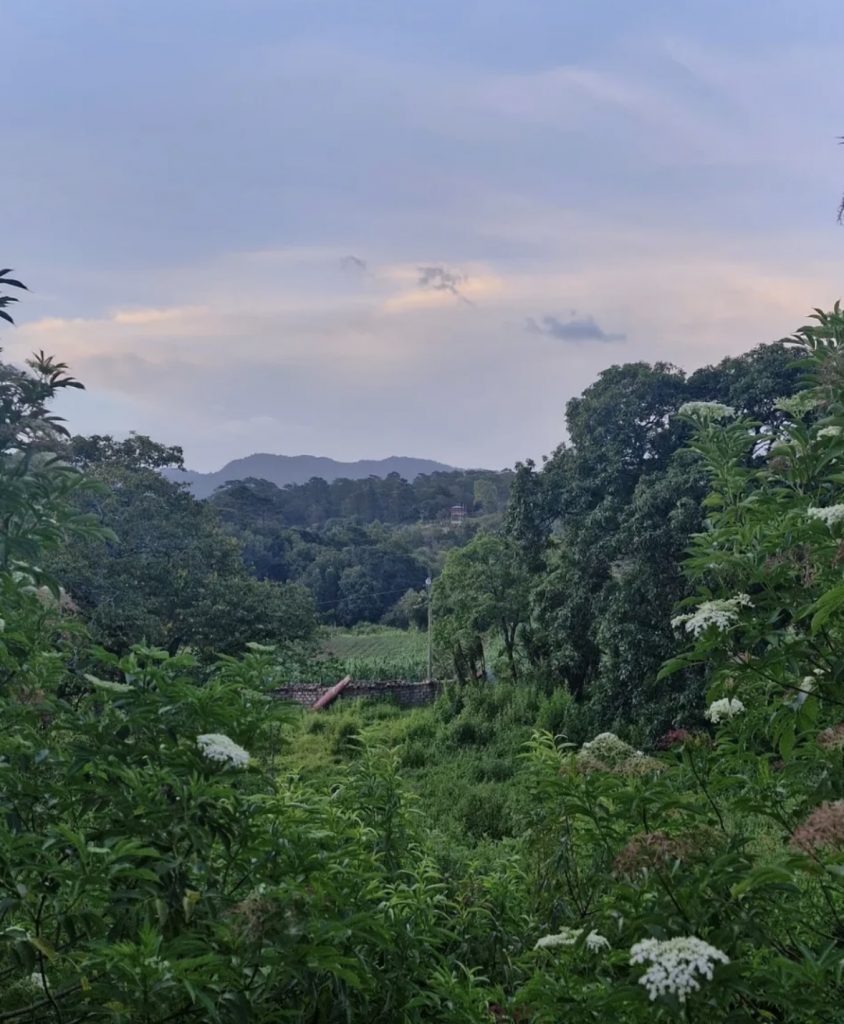
    We recently heard from Dylan Stevens, one of our volunteers currently teaching in Honduras. Dylan is eight weeks into his year abroad and kindly shared some reflections (and wonderful photos!) about his experience so far.

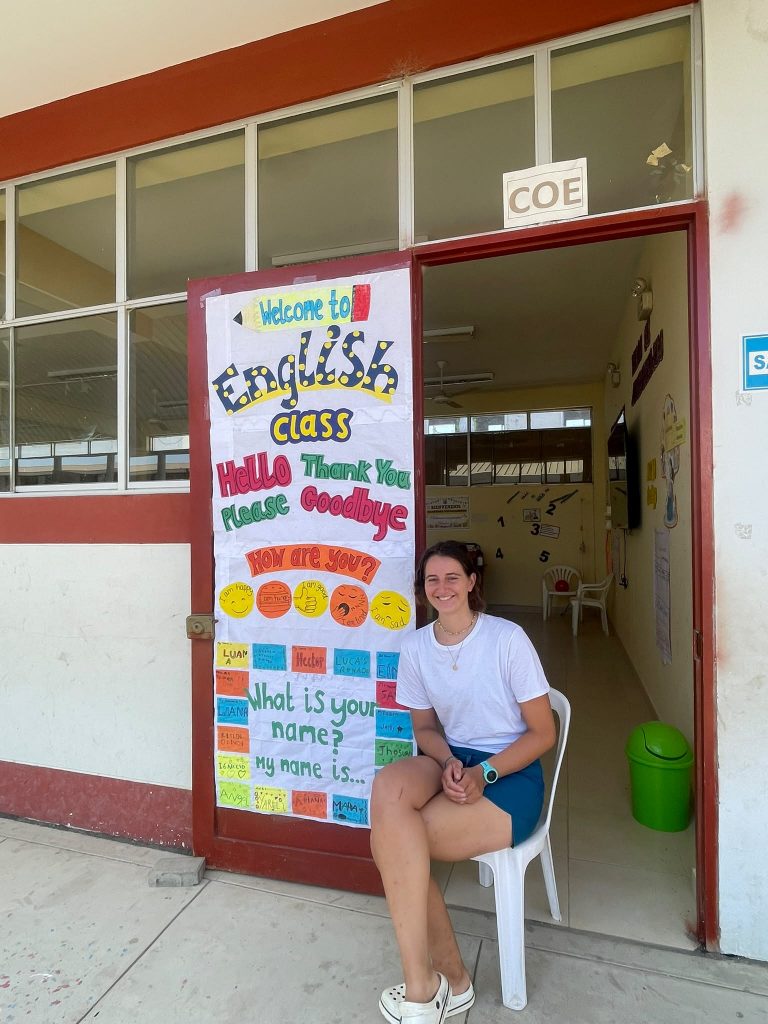
    Volunteering in Honduras has been absolutely amazing. I’m currently eight weeks into my 12-month placement (which I’m very glad I chose), and it’s already been the best eight weeks of my life.

    I’ve been teaching incredibly energetic – but of course, lovely – children, travelling around Honduras and beyond with other Volunteers, and embracing a completely different culture. Every day feels new and rewarding, and I’ve already learned so much about myself and the world around me.

    The idea to volunteer internationally came to me quite unexpectedly. At the start of Year 13, I attended a careers day at Sixth Form, not really expecting to hear anything that would change my plans -I was already set on going to university. Then I heard about the fantastic work that Project Trust does across the world, and I had a sudden thought: “Why not?” Despite normally being quite hesitant with big decisions, I knew that helping to provide education within a community abroad would be an incredibly rewarding experience – not just for my own personal growth, but for the next generation too.

    Project Trust has been there every step of the way – from helping me prepare for a year away (including guidance with fundraising!) to making sure all the legal and logistical parts of travelling abroad go smoothly behind the scenes. Their years of experience and genuine support have made a huge difference. I’d definitely recommend them to anyone thinking of taking this path.

    It would be a lie to say that fundraising was easy – but with the amazing support of those around me, I made it. Friends, family, co-workers, and both local and national businesses all chipped in to help make the pennies count. The Fundraising Support team at Project Trust also shared great tips and advice that helped me stay motivated and organised.

    If I haven’t made it clear enough already, I’m absolutely over the moon with my decision to volunteer with Project Trust. I didn’t know anyone else doing something like this, and I was definitely a bit nervous at first, but it’s turned out to be the best decision I’ve ever made.

    I’d recommend a gap year like this to anyone- whether it’s before university, while figuring out your future career, or simply to see more of the world and make a difference while you do.

    Find out more about volunteering in Honduras here.

  • Statement from the Project Trust Board of Trustees

    Statement from the Project Trust Board of Trustees

    The Board of Trustees at Project Trust has recently announced a change to its operating model and its intention to sell its properties on Coll.

    The COVID pandemic necessitated a significant change to Project’s operating model with Volunteer selection courses being held online. While this was initially anticipated to be a temporary measure it is now clear that this model far better matches the expectations of young people in the 2020s and has been very successful.

    As a result, the residential facilities at Ballyhaugh (the Hebridean Centre) are used for only three weeks of the year.   Running costs for the Hebridean Centre are significant, and as a charity, the Board cannot justify retaining property that is costly to maintain and greatly underused. 

    Meanwhile, although Volunteer numbers have been slowly rising since COVID, the current situation is not sustainable and there is a need to release funds and replenish reserves in order to secure Project Trust for the long term. As a result, after long and very careful consideration, the Board has concluded that we must sell our remaining properties on Coll.  They will be put on the market in the spring of 2025.

    The Board’s aim is to safeguard employment and ensure the charity is ready to face any future challenges.  Over 75% of staff already work remotely and the intention is to move to a 100% virtual staffing model, including those living and working on Coll.

    Project Trust is proud of its Scottish heritage and is committed to retaining Volunteer activities in Scotland and, as was the case in Project Trust’s early days, the charity will rent a residential centre in Scotland for training and debriefing.

    Since the pandemic, Project Trust’s presence and financial impact on the Isle of Coll have been much reduced.  The sale of underused property has the potential to have a positive impact on the people and economy of the Isle of Coll and we hope that this is the case.

    The Isle of Coll will always be central to Project Trust’s history. Generations of Volunteers and staff are deeply grateful to the Coll community for being an integral part of their Project Trust experience. 

    Steve Price-Thomas OBE

    Chair

    Project Trust

  • Building a library in Ghana, Maisie and Lena 24/25

    Building a library in Ghana, Maisie and Lena 24/25

    News Story: Building a library in Ghana, Maisie and Lena 24/25

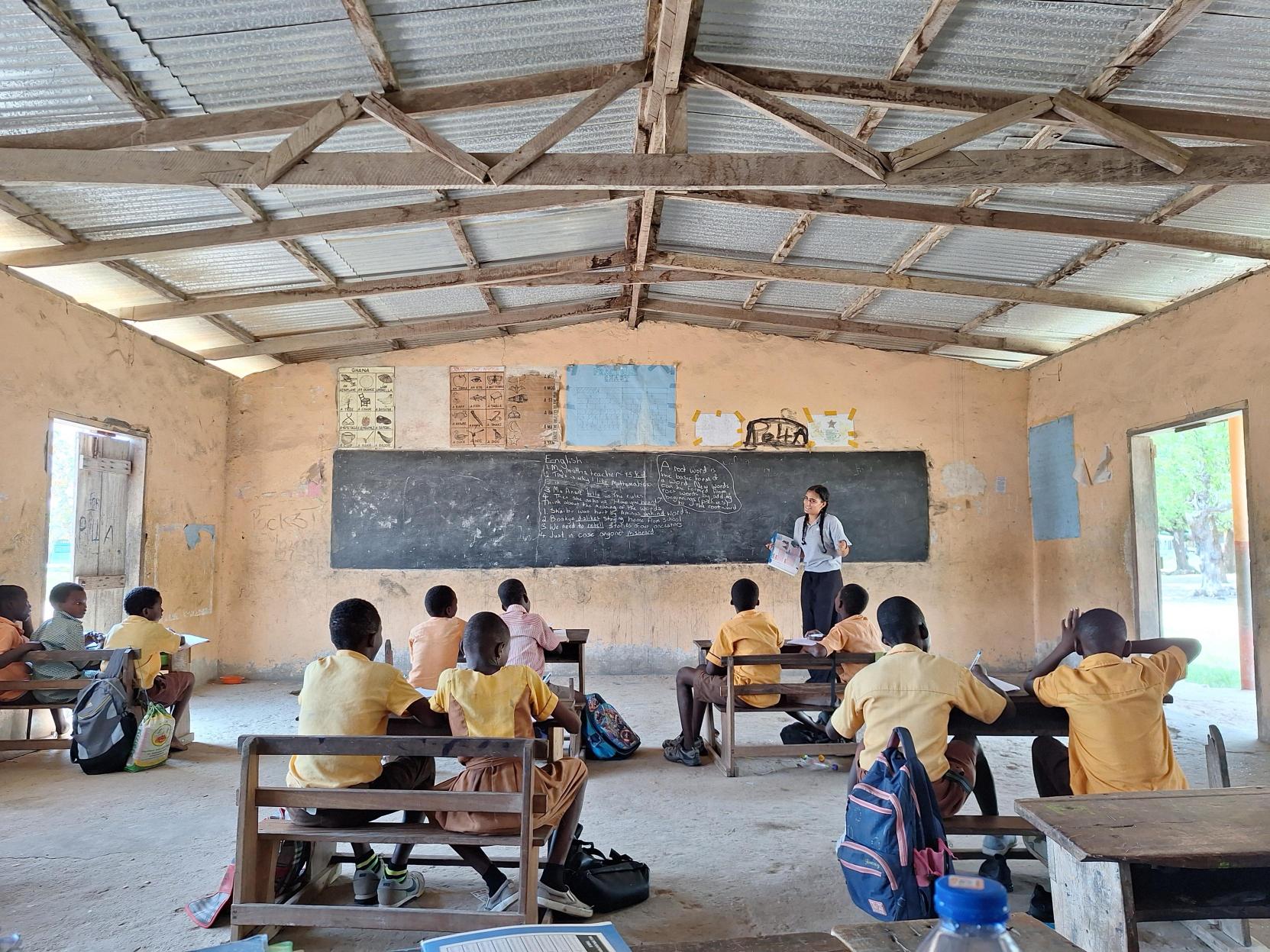
    During our year in Ghana, we wanted to leave something lasting behind for the school: a library. While teaching at A. A. Fia Basic School, we quickly noticed a gap in students’ learning: although many were fairly confident in spoken English, they struggled with reading and writing. As lifelong bookworms ourselves, we believed that access to books could make a real difference in bridging that gap.

    Our plan began months in advance, but as so often happens, time slipped away and obstacles appeared. Suddenly, with just over a week left, we still had no library. Determined not to give up, we threw ourselves into fundraising, and thanks to the generosity of family and friends from all over the world, we quickly raised £800 for books.

    That weekend, we travelled to Accra, the capital of Ghana, where we spent one long day book shopping. With limited funds, we aimed for variety, choosing books for every age group, from KG1 to JHS3. We also made a deliberate choice to focus on storybooks rather than syllabus texts. At the school, we had seen that classrooms lacked storybooks entirely, and we wanted children to have the chance to read for pleasure, not just for exams. It was also important to us that they could see themselves in the characters of the books, so we made sure to buy as many as possible set in Ghana, written by Ghanaian authors.

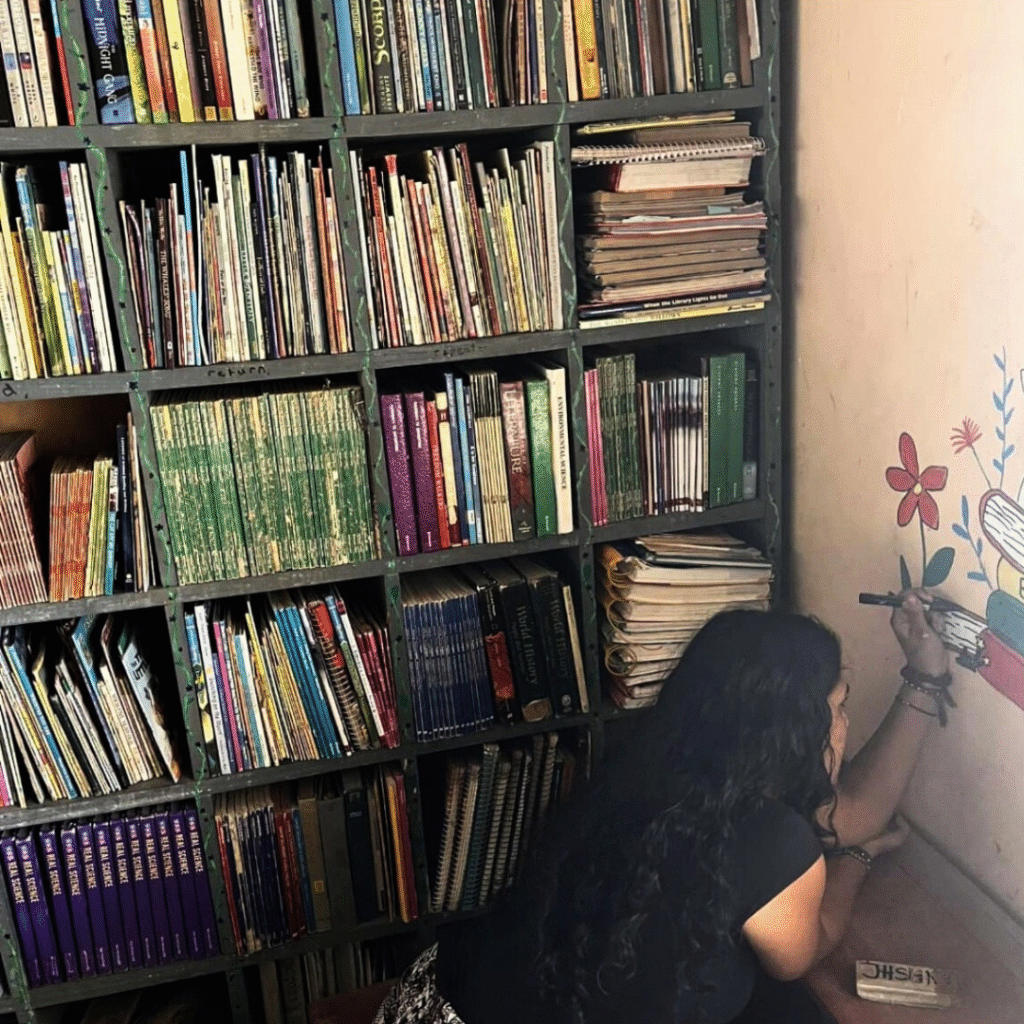
    After a hectic day in Accra and a long four-hour journey back home with a suitcase full of books, we had done it. Payment had gone through, books were acquired, and we were ready to begin converting an abandoned classroom into a library. Although we managed to buy slightly fewer books than we had hoped, we were able to combine them with the school’s smaller existing collection to create a respectable bookshelf full of them.

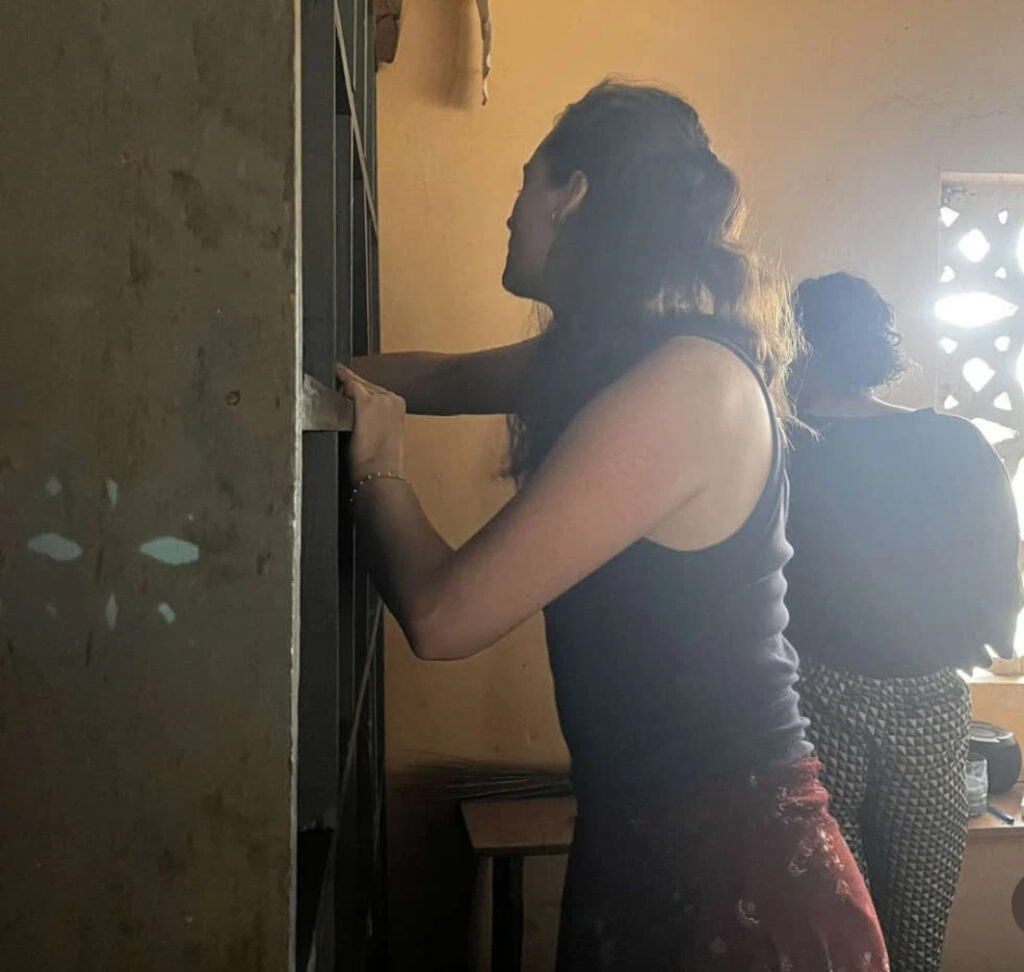
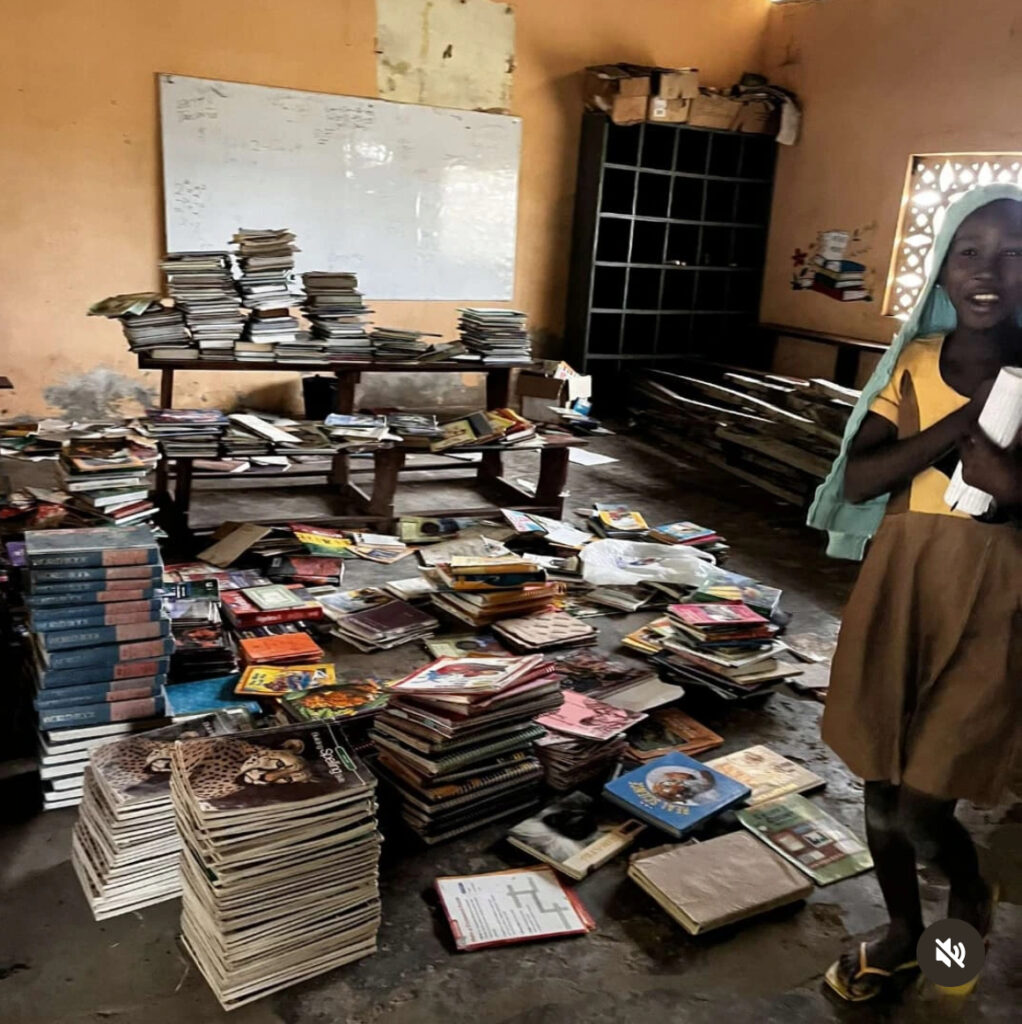
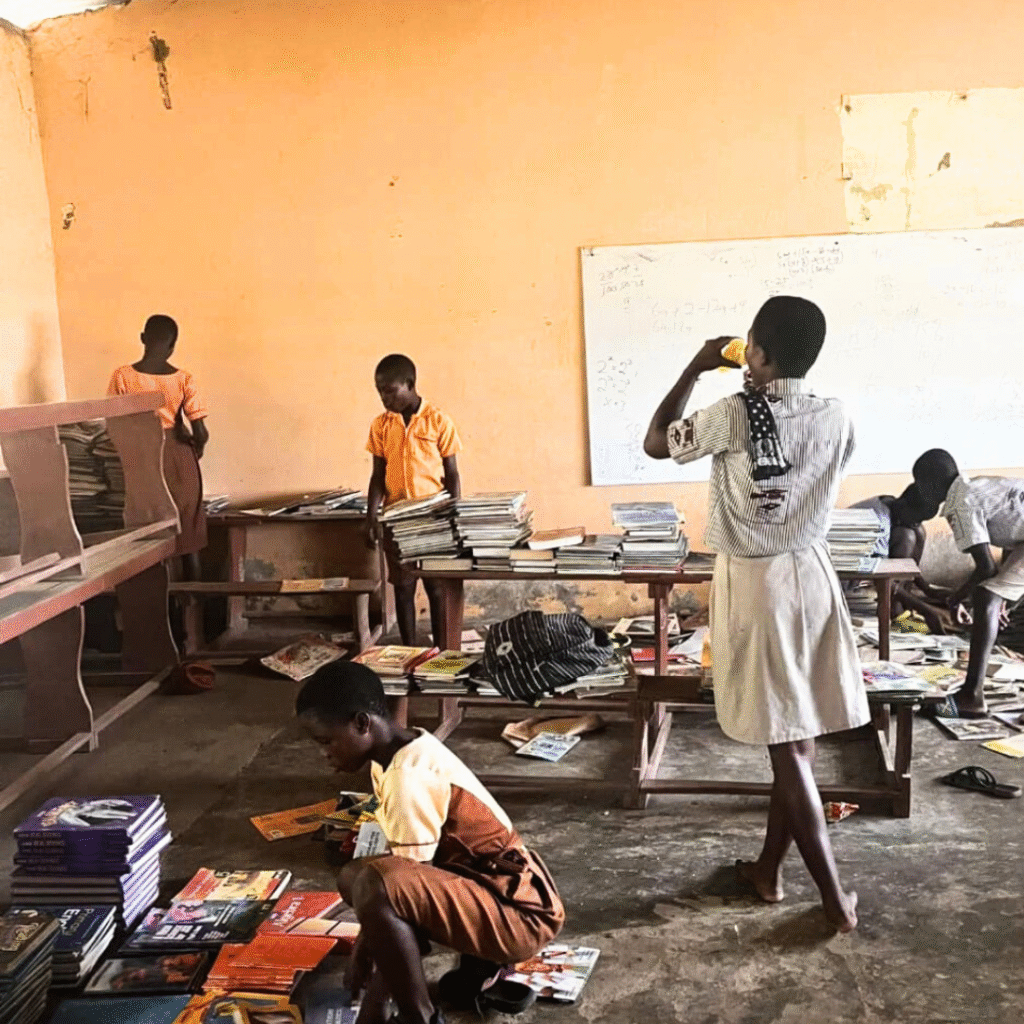
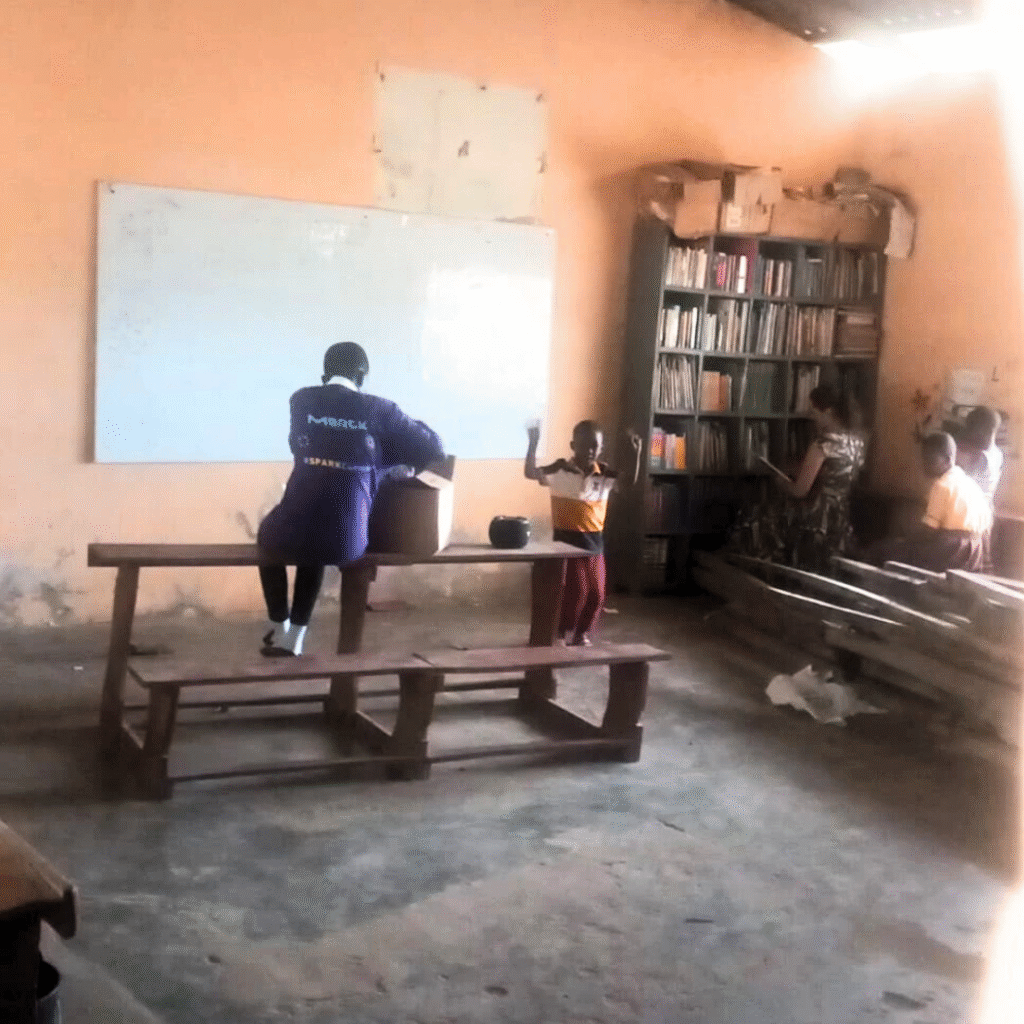
    The next morning, the real work began. The classroom we hoped to use had been empty for some time, but it still had a large bookshelf that could be repurposed. We were joined by a group of our students who, having just finished their exams, were eager to help. Together, we cleared out the room, cleaned and dusted, sorted through stacks of old books (including one set from 1960!), and organized the new ones from beginner level through to more advanced. Maisie painted a mural to brighten up the space, and by the end of two very full days, the dusty classroom had been transformed into something that truly looked like a library.

    The best part of the process wasn’t the finished room but seeing how quickly the children took to it. Even as we were still unpacking, some of the students who usually found English lessons boring were already sitting down with books, completely absorbed. At the end of each day, we read together, and it was amazing to see them learn and use new words almost immediately. It showed just how much potential there was once books were simply available.

    We’re deeply grateful to everyone who supported our fundraising, and to the Headmaster, Sir Isaac Sallah, for giving permission to use the classroom. Our hope is that the library will keep growing and continue to give students the chance to read, explore, and learn for many years to come. Go Back