• What You Gain from a Year Out

    What You Gain from a Year Out

    Some years stay with you longer than others. A year out volunteering internationally tends to be one of them. Here we explore just some of what’s waiting for you on the other side.

    You Gain Independence 

    Most people assume the independence that comes from a gap year is simply about being far from home. And yes, that’s part of it. But the independence that stays with you tends to be something quieter and more specific than that. 

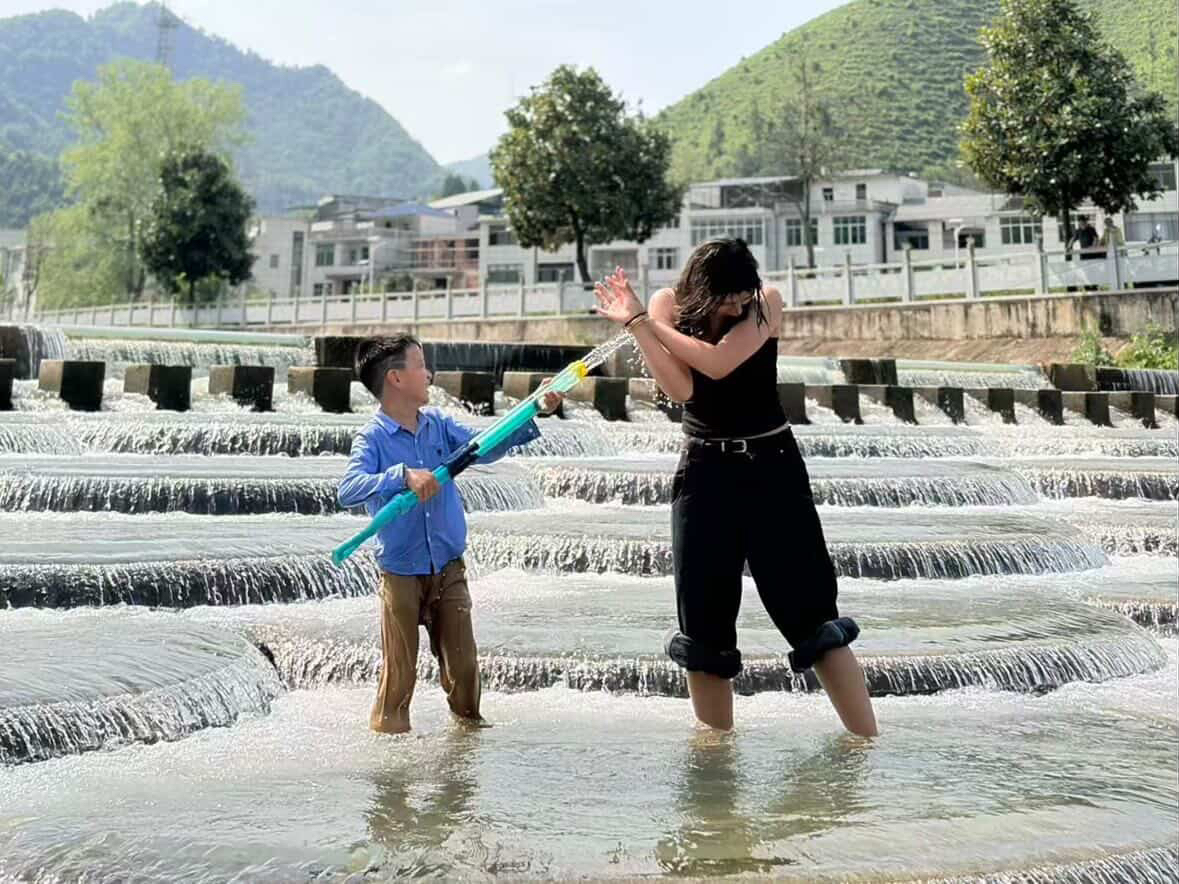
    It’s waking up in a city of 4.6 million people where you don’t speak the language, cooking your own meals, navigating your own days, and realising slowly that you are far more capable than you thought. Anya and Grace, who spent their placement teaching English in Jiujiang, China, found that the moments they managed to communicate in Chinese, however imperfectly, were ten times more rewarding than anything that came easily. 

    At Project Trust, Volunteers live and work in their communities for up to a full year, embedded in a way that takes time to build and time to feel, and that depth is where a lot of growth happens. 
    You Gain Adaptability 
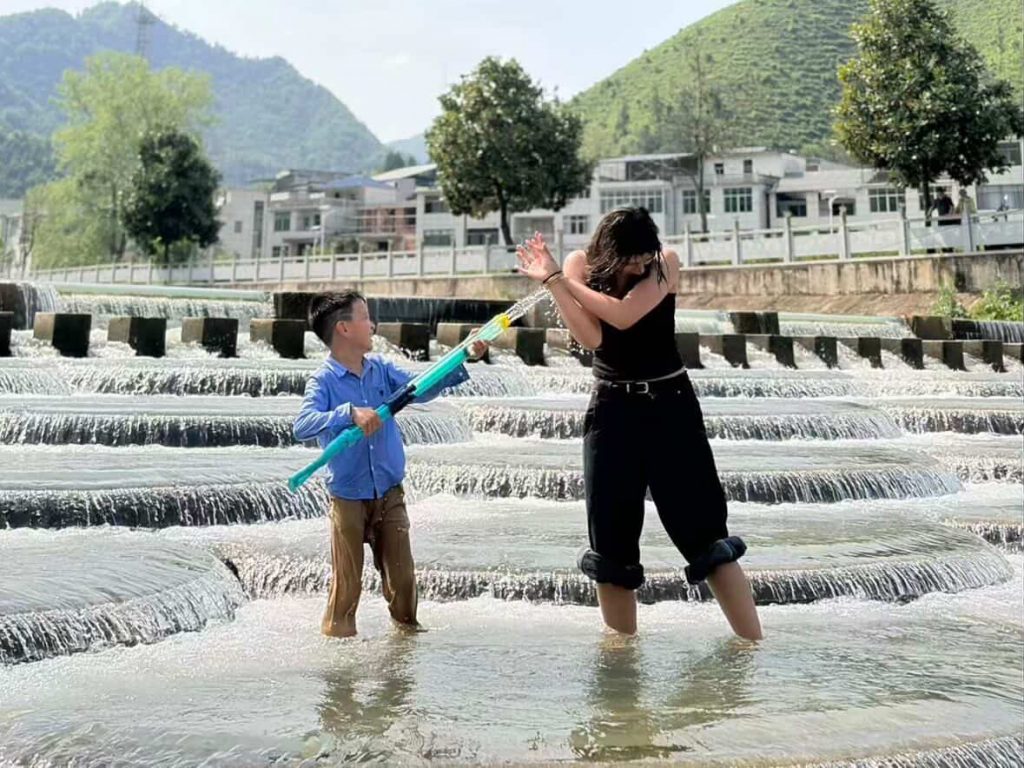
    Every Volunteer comes home with a version of the same story. Something that seemed strange or frustrating at first can, with time, something you understand and even appreciate. Perhaps it’s a schedule that doesn’t quite run to plan, or a classroom that works completely differently to anything you have experienced before. That shift from friction to flexibility is one of the most valuable things a year abroad produces, and it’s something that’s very hard to find without genuine cultural immersion. You come home able adjust your expectations and find your footing in unfamiliar situations. Employers talk about adaptability as a skill, and our Volunteers come home having genuinely lived it. 

    You Gain Resilience and Cultural Fluency 

    Some of the best moments of a year abroad come directly out of the hardest ones. Language barriers can feel isolating at first, but become the thing that makes every small breakthrough feel enormous, and the work that felt overwhelming in week one becomes the thing you’re most proud of by the end.  

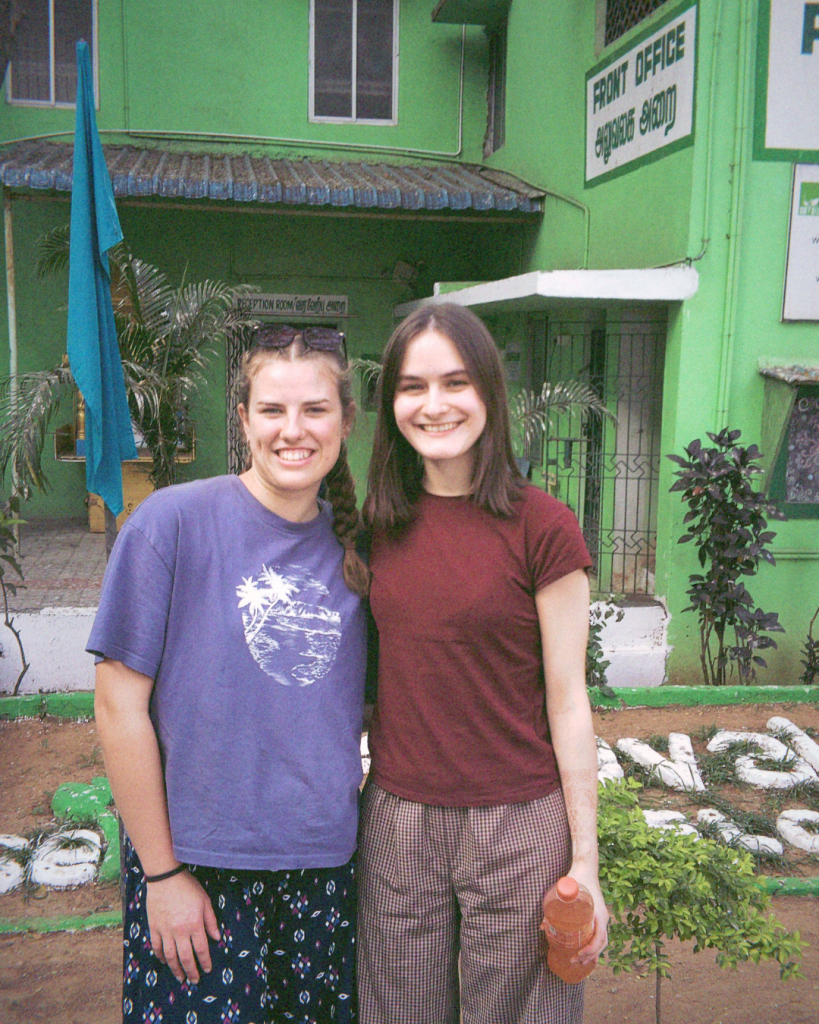
    Cultural fluency comes naturally when you’re living it. Martha and Evie, who spent their placement at a rural campus in Tamil Nadu, India, began learning Tamil, one of the most complex languages in the world, and had their names written in it by their own students. These experiences are not incidental to a year abroad but rather the texture of it, and this is something that will stay with you long after you’re home. 
    You Gain Relationships That Last 
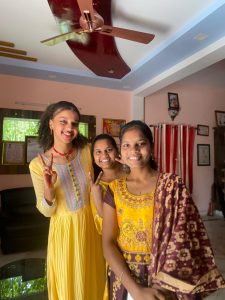
    For many Project Trust Volunteers, colleagues became close friends, students progressing felt personal and the community stopped feeling foreign and started feeling like home. These relationships are a huge part of your international placement experience. The Project Trust Alumni network, thousands of Volunteers across decades, means the community you join doesn’t end when your placement does. 

    Learn more about Volunteering with us here.
  • Should I Take a Gap Year Before or After University?

    Should I Take a Gap Year Before or After University?

    Deciding when to take a Gap Year can feel like a big decision. More people are asking this question than ever. The honest answer is that there is no single right choice. But there’s a right choice for you, and we’re here to help you decide that.

    For many people, taking a gap year before starting university feels right. After spending many years in education, the idea of jumping straight into higher education without a break can feel overwhelming.

    A gap year before university gives you the opportunity to become a more grounded, self-aware version of yourself. At Project Trust, we see students who have spent time living independently go on to settle into university life more confidently. Navigating a new culture, managing your own time and delving into a foreign community all contribute to a greater sense of self. Think of it as, instead of taking a year out, you are investing a year in yourself.

    A gap year abroad can also shape what you choose to study. Our Volunteers often leave for their international placement with a clear idea of what they want to study. The experience of volunteering abroad, however, can leave volunteers coming home with an entirely different passion to what they left with.

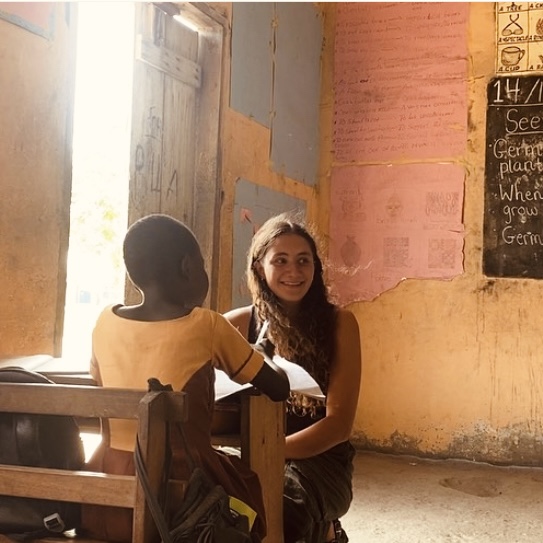
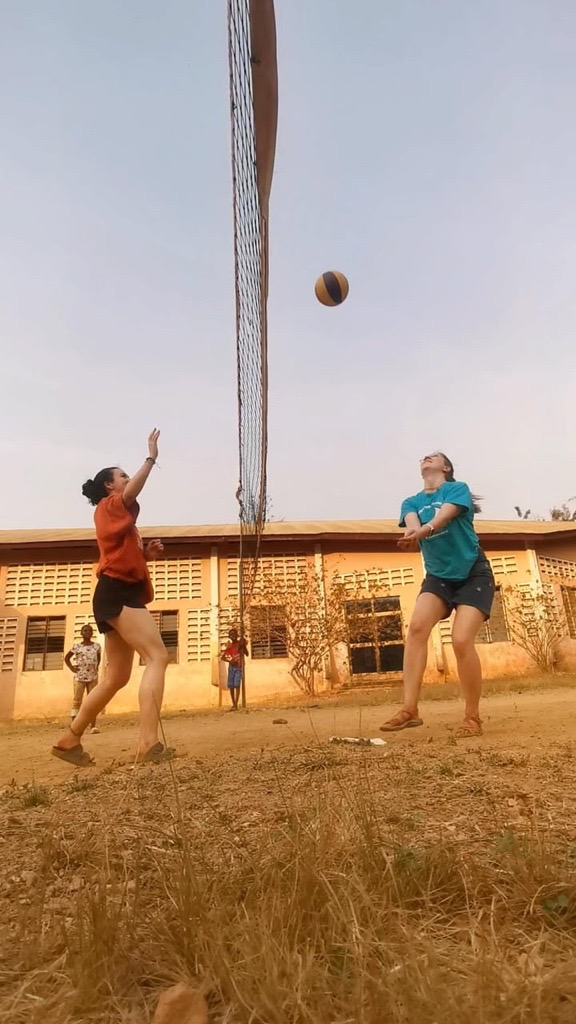
    Lucy volunteering in Ghana

    Take Lucy, who volunteered in Ghana with Project Trust in 2023/24 – her volunteering experience changed her focus, and she returned home with a new idea of what she wanted to study. In these cases, it’s better to have discovered this before university, rather than halfway through.

    That might sound great, but you may still be worried about having a university place when you’re home. Many UK universities offer deferred entry, meaning you can secure your place before your gap year begins. You leave knowing exactly where you’re headed upon return, which makes it easier to fully commit to your gap year abroad without the stress of coming back to the unknown.

    By the time you complete a degree, you are older, more independent and often clearer on what you want from a year away. A post-university gap year abroad comes with a different kind of freedom and can be a brilliant bridge between study and the rest of your life.

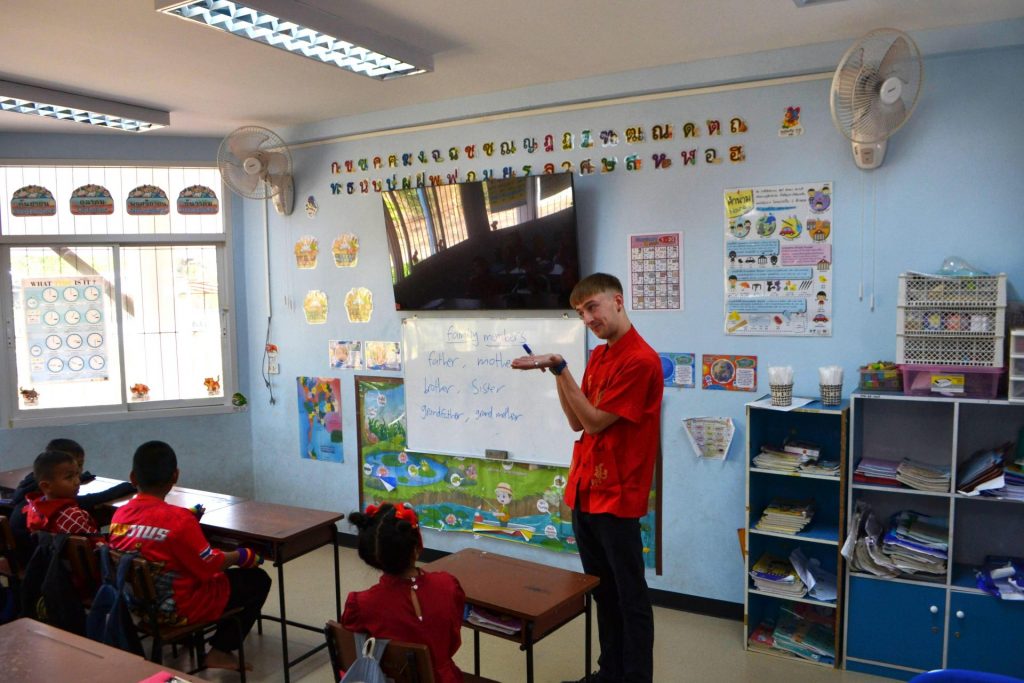
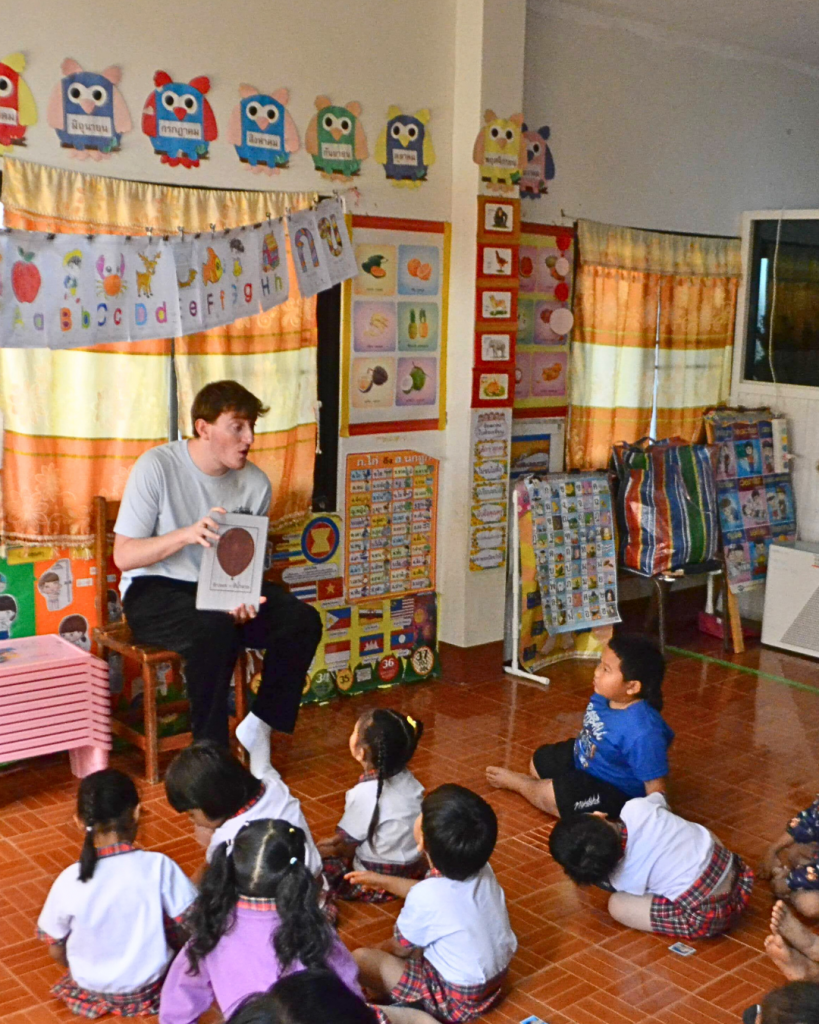
    Graduate schemes, jobs and further study will always be there when you are back. Taking the time to do a structured international gap year programme can be a valuable way to stand out when you reach this point. Employers often look favourably on applicants who have done something meaningful in the gap, particularly if it demonstrates initiative and global awareness. Jamie, who completed an overseas volunteering placement in Thailand with Project Trust, credits his experience abroad as a key factor in landing his first job. International volunteering for young people pays dividends long after the year is over.


    Jamie teaching during his placement in Thailand

    University years also give you the opportunity to expand your network in a way that can be transformative when it comes to fundraising for your gap year abroad. By the time you graduate, you’ll have built a wide community of friends, course-mates, lecturers and perhaps part-time colleagues – people who believe in you and are likely to cheer you on and support you in hitting your fundraising target.

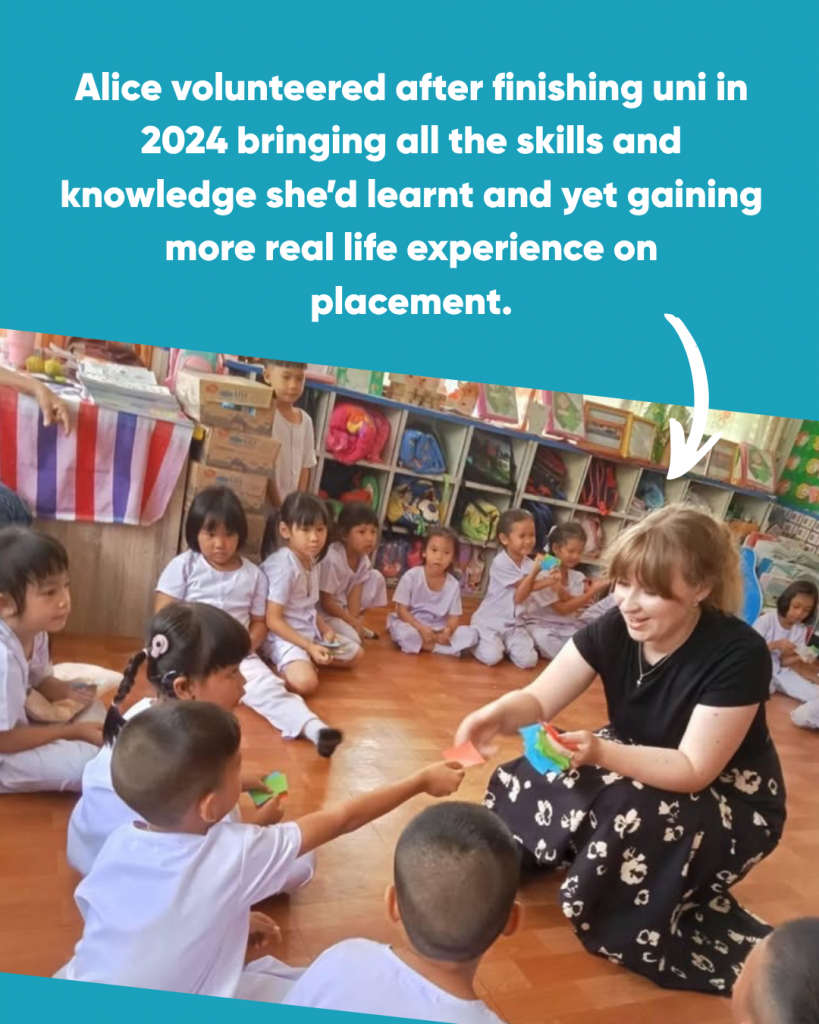
    Alice, who volunteered in Thailand with Project Trust, found that heading into her placement post-university meant she could take her newly built skills and confidence directly into her year abroad. She had already had an experience of living independently, cooking for herself and navigating living somewhere new, so she was able to hit the ground running on her Volunteer year and really delve straight into teaching at her placement.

    The One Thing Both Paths Have in Common

    No matter what point in life you choose to go, the thing that will define your gap year is the intention. A year spent genuinely immersing yourself in a community and doing meaningful work will both challenge and change you. At Project Trust, we offer structured overseas volunteering placements, currently across Asia, Africa and the Americas. These are designed to give young people the skills, perspective and confidence that last a lifetime, whenever they choose to go.

    Learn more about Volunteering with us here.